

Courses
Health
Ireland’s population aged 65 and over is projected to almost double by 2057. At ATU, research is helping address what that means for how we prevent illness, deliver care and support healthier lives for longer.
Looking at healthcare differently
New approaches to care technology, cancer nutrition, and personalised medicine are explored with the potential to change how people are treated and supported.
National project to transform elderly care through immersive media and AI
In partnership with Hillcrest Nursing Home, researchers are using Virtual Reality (VR) to enhance reminiscence therapy for older adults.
Nutrition still overlooked in cancer survivorship, new research finds
Researchers at ATU are calling for nutrition to become a core part of cancer survivorship care, warning that survivors are often left without clear, evidence-based dietary support despite strong and growing research.
ATU researcher set to revolutionise healthcare with 3D drug printing
“3D printing could be the key technology in such cases because it allows us to develop a pill or medical implant specific to that patient’s needs, available to them in their local pharmacy or hospital.” – Dr Marion McAfee.

Printing a pill for every patient
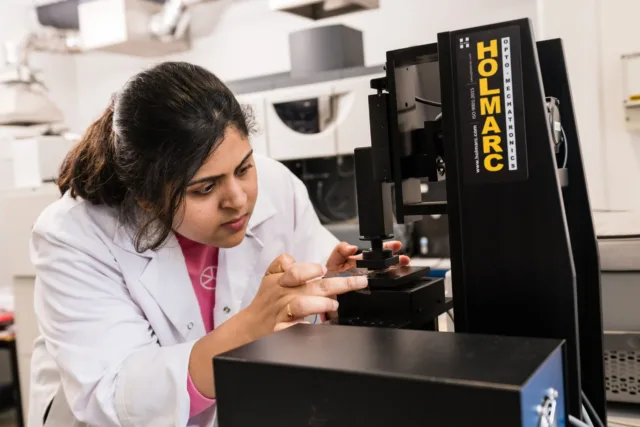
Dr Marion McAfee explores how 3D printing could produce personalised medicine to reduce the number of pills and unwanted interactions.
Shaping our health
Nutrition, sleep, and movement can all influence wellbeing, but their role in our health is not always fully understood.

Can what you eat help you sleep?
Gavin Rackard investigates the relationship between nutrition and sleep in athletes, including the potential role of kiwi fruit in supporting sleep.
Support for adult cancer survivors?
Leah Walsh asks what support adults after cancer treatment need and what can help people navigate life beyond cancer.

Fueling the distance for endurance
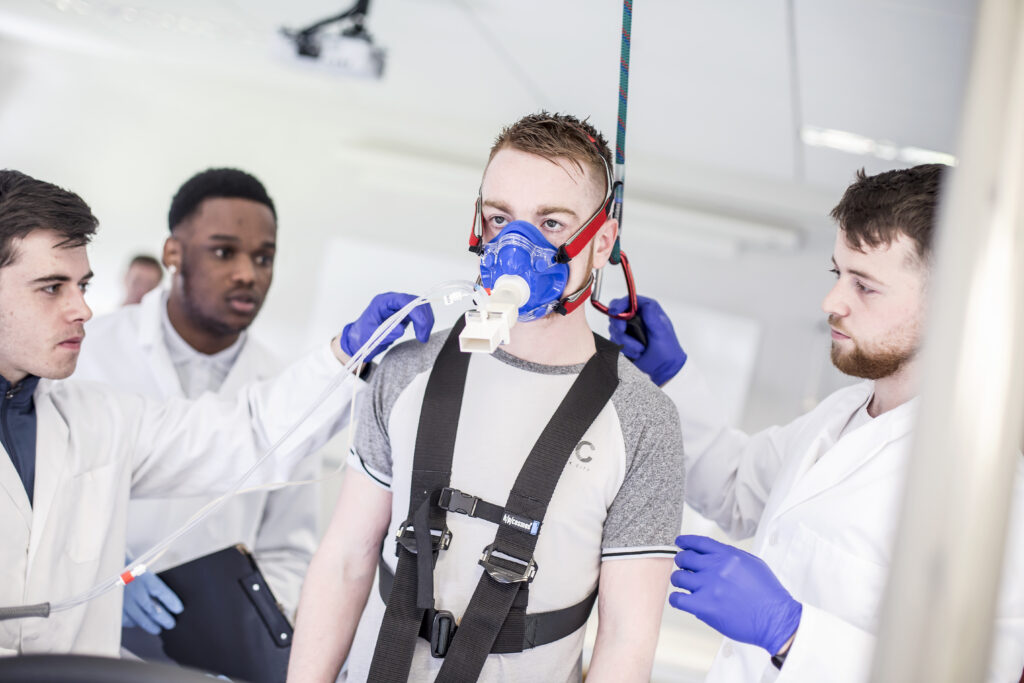
Tansy Ryan uncovers the nutrition strategies used by ultra endurance athletes to manage gastrointestinal symptoms.


Meet ATU’s health-tech leaders
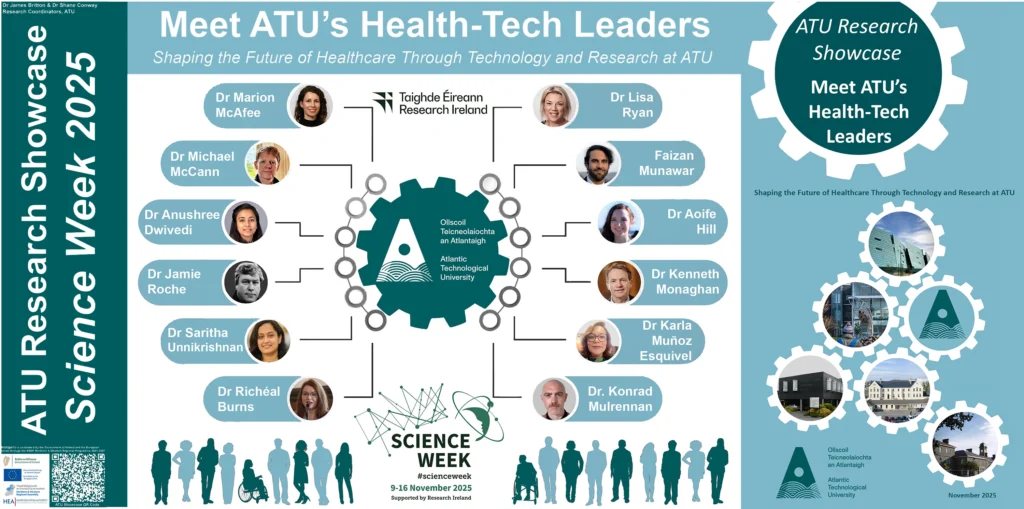
From advanced manufacturing of medical devices to digital therapeutics that enhance wellbeing among vulnerable populations, the second edition of the ATU Research Showcase Series highlights 12 researchers who are transforming healthcare for communities across the West and Northwest of Ireland, and beyond.
Nature’s pharmacy
ATU and DCU scientists explore marine microorganisms as a source of new compounds for medicines — using natural diversity to discover chemical diversity.
Talking about mental health
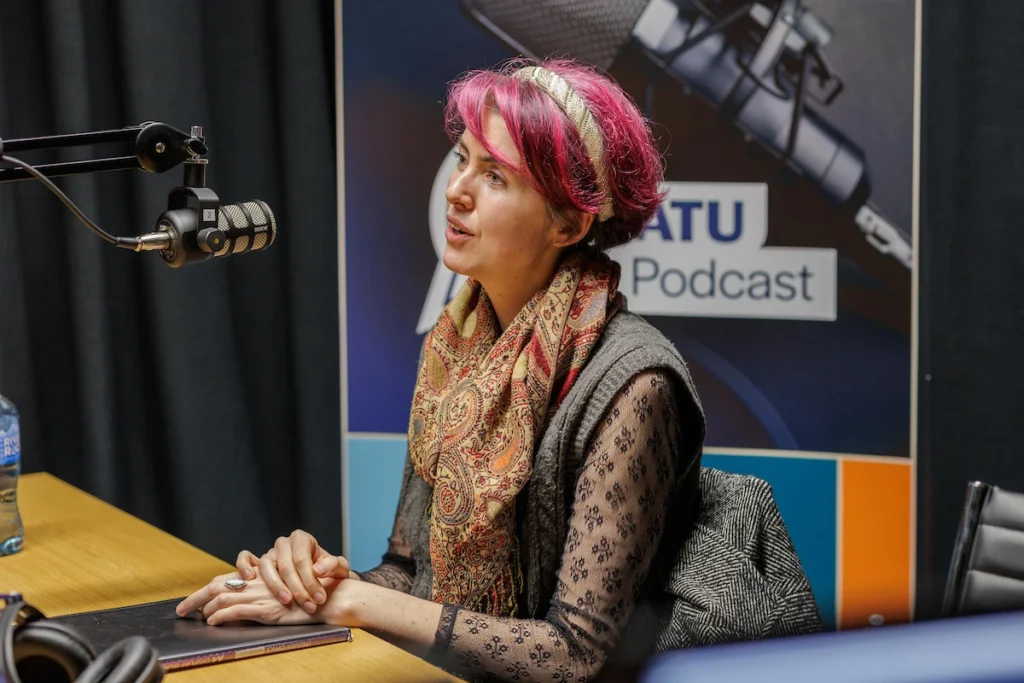
In this episode, ATU cyberpsychologist Máire Carr examines the growing use of artificial intelligence for emotional and psychological support.

Menstrual matters
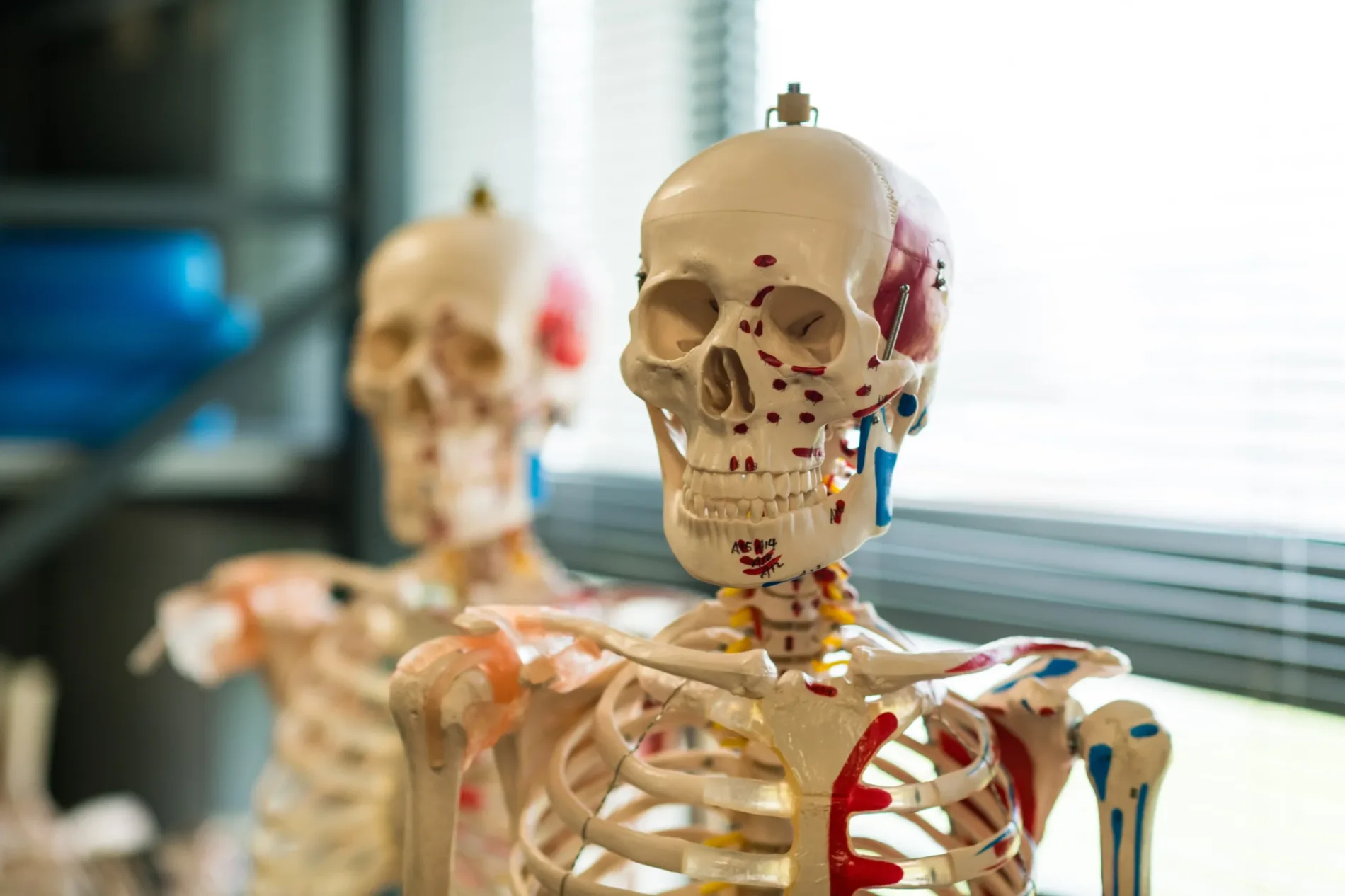
Research is examining how menstrual health affects women’s lives, health and participation— the questions that can still go overlooked.

Menstrual symptoms are often normalised, despite their clear impact on quality of life. International research highlights the scale of the issue, but there is still a need for Irish-focused research that examines how people can be better supported in daily life.
As little as 5% of global research funding goes towards women’s health, and historically women were excluded from clinical trials until the 1990s. While research in this area is growing, it still often focuses on performance outcomes rather than how women feel about exercise across their cycle.

Connected to Care
As more healthcare moves online, researchers are asking what digital connection means for finding information and the people providing care.
The search for trustworthy health information
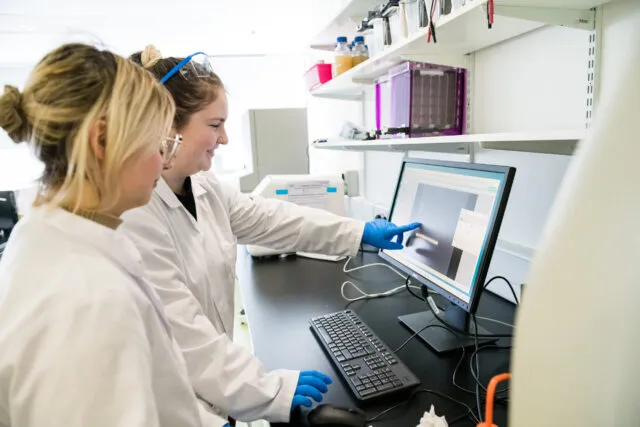
Hannah Linney’s research examines how young adults understand digital health information and find reliable sources of health advice.

Who gets left behind when healthcare goes digital?
Chandler Tyrrell explores the health outcomes of digitalisation for socially isolated older adults.

Is care really person-centred?
PhD researcher Sarah Murphy explores what older people experience when health and social care is designed around their needs.
Read her ATU Policy Brief
Investing in health
Cross-border projects enhancing investment in healthcare across Ireland.





Research In Focus is funded by RISE@ATU. RISE@ATU is co-funded by the Government of Ireland and the European Union through the ERDF Northern & Western Regional Programme 2021-2027.