Courses
Kiwifruit and tart cherry juice could improve sleep
New research led by Atlantic Technological University (ATU) PhD student Gavin Rackard has identified specific nutritional interventions that may significantly enhance sleep and recovery in elite athletes. The study, Nutrition Strategies to Promote Sleep in Elite Athletes: A Scoping Review, was published in the journal Sports in October 2025 and represents a collaboration between ATU, the Sport Ireland Institute and Ulster University.
Sleep is widely recognised as a cornerstone of athletic recovery, yet elite competitors frequently experience disruption due to travel, competition stress and demanding training schedules. The review analysed evidence up to December 2024 and highlighted practical, food-based interventions with the strongest potential to improve sleep quality and duration in high-performance environments.
Elite athletes in the study were defined using established performance classification frameworks. In this context, elite athletes were considered those competing at an international level (Tier 4), above highly trained national-level athletes (Tier 3) and below world-class performers (Tier 5). The general population is classified into lower tiers, typically Tier 0-2.
The researchers identified three primary strategies supported by the strongest evidence:
Kiwifruit: Consuming two kiwifruit one hour before bedtime for four weeks was associated with a substantial increase in total sleep time and significant improvements in sleep efficiency.
Tart cherry juice: Intake over a 48-hour period demonstrated benefits for time spent in bed and reduced waking after sleep onset, suggesting it may be particularly useful as a short-term recovery strategy around competition.
Dairy (female athletes): High-frequency milk consumption (five to seven days per week) was strongly correlated with improved subjective sleep quality in female athletes, an association not observed in male participants.
The review also examined interventions with moderate potential. While protein remains essential for muscle repair, researchers observed a “ceiling effect”, where athletes already consuming high-protein diets (greater than 2.5 g·kg⁻¹) experienced minimal additional sleep benefits from extra pre-sleep protein. Probiotics showed promise in reducing muscle soreness and inflammation, indicating that improvements in the gut-brain axis may indirectly support better rest. In addition, micronutrient status appeared important, with Vitamin B12, zinc and iron positively associated with sleep efficiency, while magnesium and calcium were linked to faster sleep onset.
Gavin Rackard highlighted that nutritional strategies should complement, rather than replace, fundamental recovery practices.
“The priority for elite athletes should always be meeting total energy and nutrient requirements first. Once the foundation is set, targeted interventions like kiwifruit or tart cherry juice can be used as strategic tools, particularly during high-stress competition phases,” he said.
Rónán Doherty, ATU lecturer and Gavin’s PhD supervisor, said the findings provide practical guidance for those working in high-performance sport.
This research highlights how relatively simple nutritional strategies can make a meaningful difference to recovery in elite sport. Gavin’s work bridges the gap between laboratory evidence and real-world application, giving coaches and practitioners practical tools they can confidently implement within demanding performance environments.
The research was led by Gavin Rackard under the supervision of Dr Rónán Doherty, with co-supervisors Dr Lisa Ryan (ATU), Dr Laura Keaver (ATU), Dr James Connolly (Ulster University) and Professor Sharon M. Madigan (The Sports Ireland Institute). This research is funded by RISE@ATU. RISE@ATU is co-funded by the Government of Ireland and the European Union through the ERDF Northern & Western Regional Programme 2021-2027.
This story is part of Bright Minds, Big Impact, a series highlighting ATU’s research excellence and the people driving meaningful change
For media enquiries, contact:
Ivana Hanjs
Communications Officer
Tel: 089 963 9559
E: ivana.hanjs@atu.ie
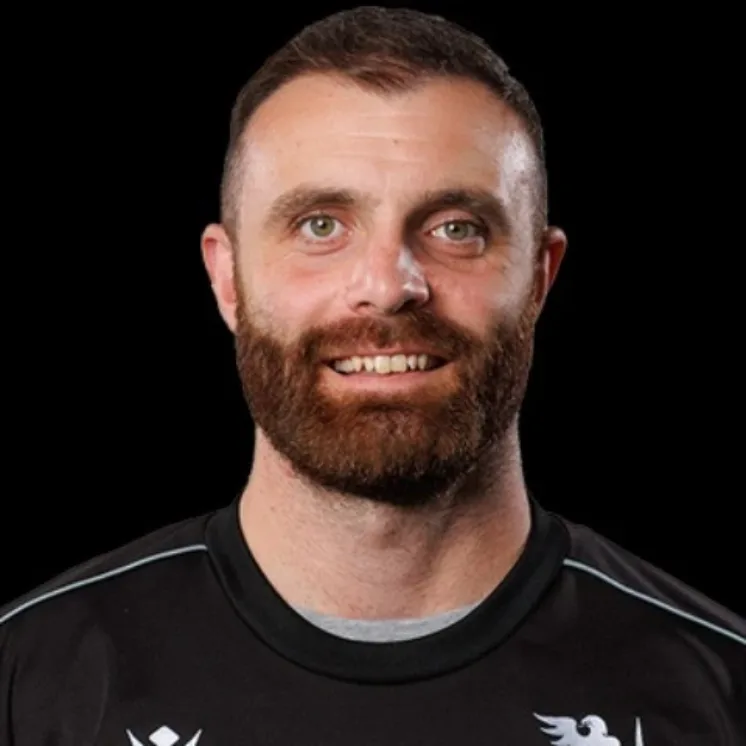
Photo caption: Gavin Rackard, (ATU) PhD student.