
Courses

20,000 reasons genomics testing should be conducted in Ireland
PhD researcher Vanessa Nobles investigates how genomics can be brought into everyday healthcare, as Ireland prepares to expand its national capacity for genetic testing.
Research at Atlantic Technological University (ATU) is investigating the need to bring genomics testing into our healthcare system, as Ireland prepares to expand its national capacity with the launch of the National Genomic Processing Service (NGPS).
For PhD researcher Vanessa Nobles, the question is how genomics can be realistically implemented within the Irish healthcare system.
“Pharmacogenomics testing has been fully implemented in healthcare systems in countries such as the USA and the Netherlands,” said Vanessa. “But it has not been directly applied to Ireland”.
Genomics data is some of the most sensitive personal data that exists
Vanessa Nobles, PhD researcher

For years, many Irish patient samples have been sent abroad, sometimes to non-EU-accredited labs, raising concerns about turnaround times, regulatory oversight and patient data governance.
Her research examines how genetic testing can support clinicians and pharmacists in prescribing safer medications before patients experience adverse drug reactions or require emergency care.
“It is important to explore how genomics testing can be implemented in Ireland because it is not a one-size-fits-all situation”, shares Vanessa.
According to Senator Nicole Ryan, Ireland sends approximately “20,000 genetic tests abroad every year to different countries”.
In Ireland, genomic samples are still routinely sent to countries like the UK or Germany for sequencing and analysis.
Government policy now aims to bring at least 50 per cent of genomic testing back into Ireland by 2030, with the Beaumont service positioned as a foundation for expanding in-country capacity.
For Vanessa, Irish healthcare practitioners understanding implementation of genomics testing is a vital component for her study:
My research looks at the perceptions and education of Irish healthcare practitioners and their confidence in relation to pharmacogenomics testing.
Many older Irish adults are on multiple medications, putting them at heightened risk of adverse drug reactions, a safety challenge genomics could help address.
A large international biobank study found that 14.2% of participants were prescribed medications that could be affected by their genetic profile. In the same analysis, 856 individuals were actively prescribed clopidogrel while carrying a gene variant associated with increased risk of major adverse cardiovascular events due to reduced drug metabolism.
‘Many clinicians, primary care doctors or pharmacists are not fully aware of pharmacogenomic tests’, explains Vanessa.

Polypharmacy rates in the Republic of Ireland shows that around 64% of adults aged 45 and over receiving medications are on five or more drugs concurrently, rising to over 80% in those aged 75.
The operational launch of NGPS marks a turning point in how Ireland approaches genetic testing, from outsourcing to building a regional foundation for genomics.
In January 2026, Ireland introduced its first genomics-based prognostic test for multiple myeloma, using advanced gene expression profiling to stratify patients by risk at diagnosis.
The HSE‑linked iSIMPATHY evaluation also found that clinical pharmacist‑led medicines review improved patient care in 77% of cases and saved the health service over €1.2 million by reducing adverse drug reactions and related hospital admissions.
To increase the uptake of genomics testing, Vanessa believes awareness among Irish healthcare professionals remains a key priority.
“Not many clinicians, primary care doctors or pharmacists are fully aware of the pharmacogenomic tests available to them,” she said.
“The information related to which test to order and how to interpret the results is never relayed to prescribers effectively. This often results in lack of confidence in test ordering and overall decrease in test utilisation”.
She added that improved education and training will be essential to support adoption and ensure clinicians feel confident ordering and interpreting genetic tests.
Many Irish policymakers and Irish genomics societies have recently acknowledged that genomic capacity is now a fundamental part of modern health systems. They are calling for strategic investment in domestic sequencing facilities, bioinformatics training, and secure data platforms with the secured knowledge that dividends in both scientific discovery and patient care for Ireland will only increase.
The benefits can already be seen in large scale genomic database projects like the UK Biobank and the All of Us Research Programme, where rich scientific discoveries that reflect the genetic diversity of real populations connects directly back into the communities they represent.
“Investing in domestic genomic testing infrastructure is a commitment to ensuring that Ireland receives the benefits of the genomic revolution”.
This research is funded under RISE@ATU with supervision by Dr Richeal Burns. RISE@ATU is co-funded by the Government of Ireland and the European Union through the ERDF Northern and Western Regional Programme 2021-27.
About Vanessa Nobles
Vanessa Nobles is a PhD researcher studying at Atlantic Technological University under the THRIVE Postgraduate Research Training Programme. Her research aim is to assess the feasibility of implementing pharmacogenomics testing in primary care to reduce adverse drug reactions. Her data will work towards policy on pharmacogenomics initiatives, standardisation, and integration into primary care to improve patient health related quality of life and improve efficiency of healthcare resource use.
For media enquiries, contact:
Jorden McMenamin
Communications Officer
Tel: 074 918 6127
E: jorden.mcmenamin@atu.ie
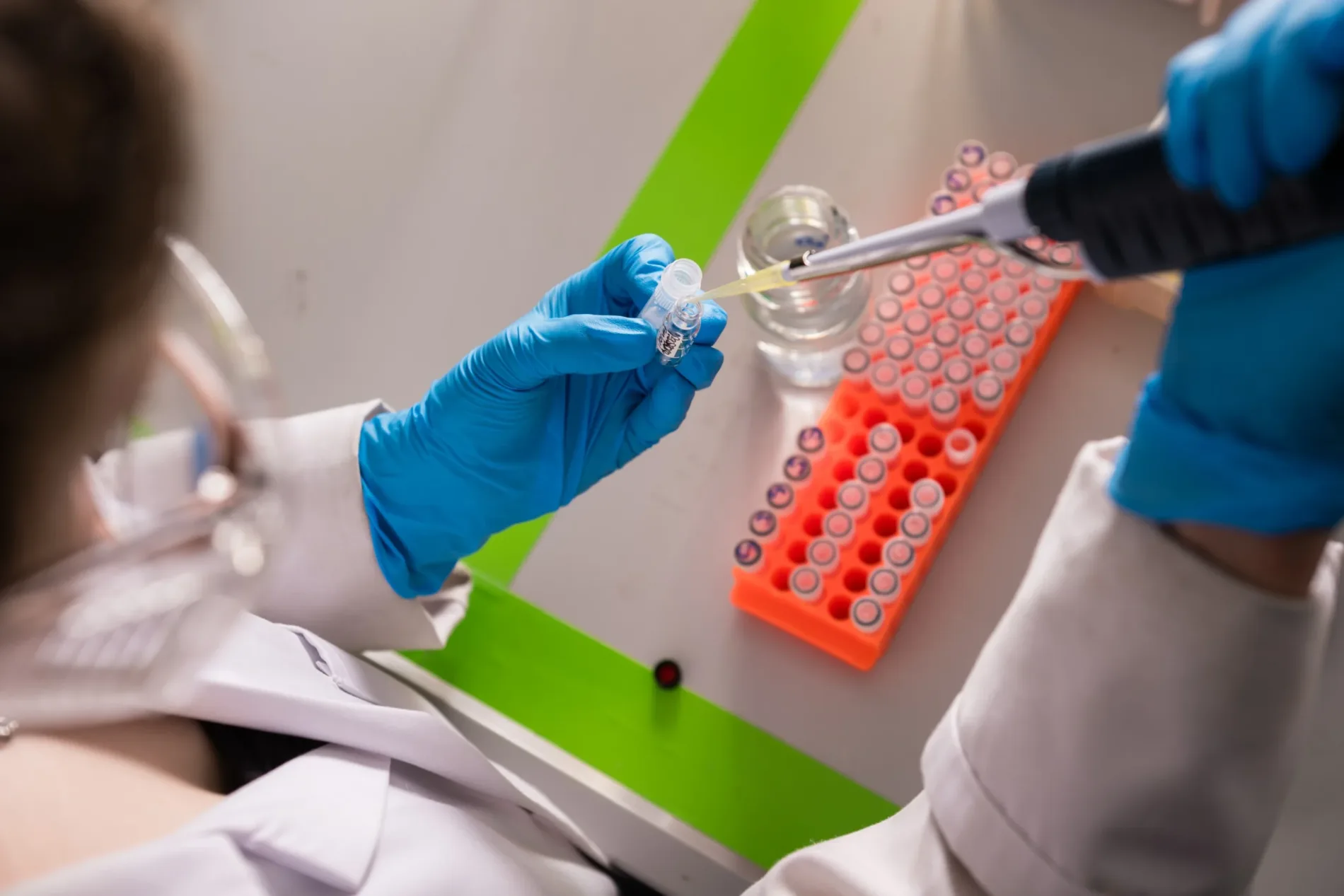
Featured Image: PhD researcher Vanessa Nobles at Atlantic Technological University. Photos by Conor Doherty.