English
Gaeilge
Healing the bog
A €19.2 million cross-border peatland restoration project led by Ulster Wildlife is helping restore Ireland’s peatlands.
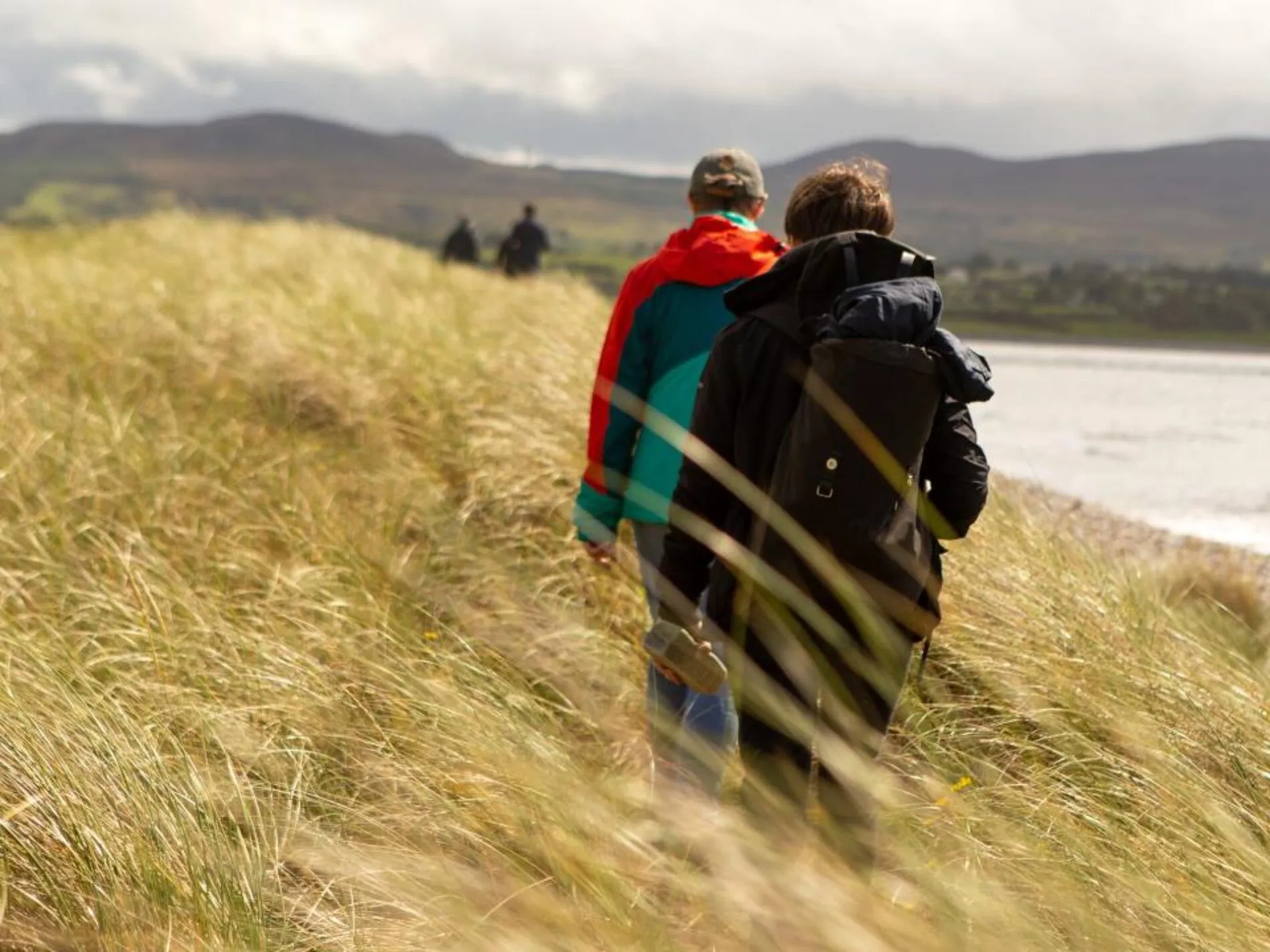
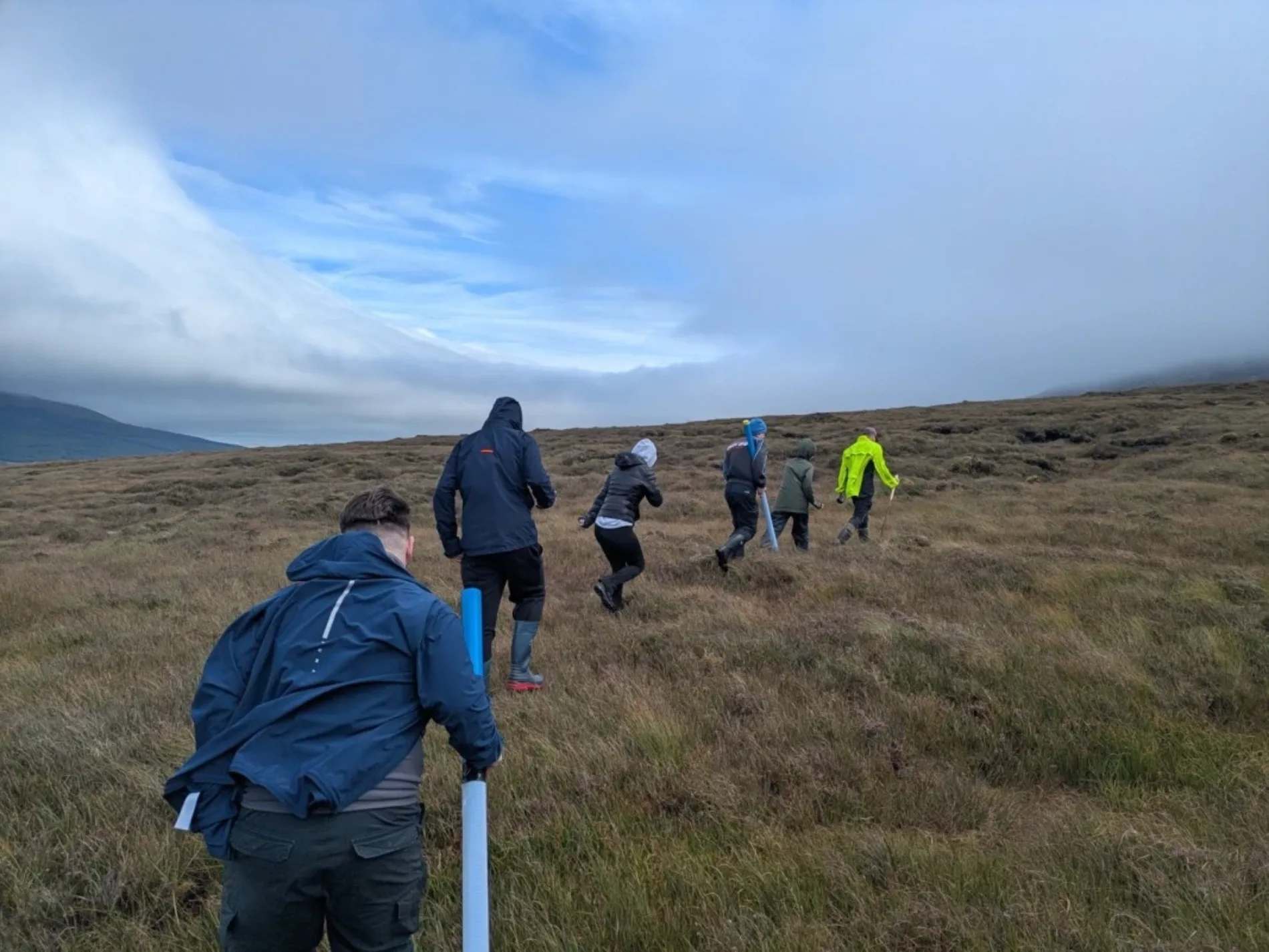
A group of Atlantic Technological University (ATU) students based at the Letterkenny campus in Co Donegal have taken part in an innovative peatland restoration summer internship programme.
The 10-week placements are part of the PEAT+ Project, which is supported by PEACEPLUS, a programme managed by the Special EU Programmes Body (SEUPB). The project is led by local conservation charity Ulster Wildlife alongside eight strategic partners, including ATU.
ATU is making a significant contribution to PEAT+. In addition to the summer placements, lecturers from the Letterkenny campus are developing educational resources for schools north and south of the border and organising school visits and field workshops to enhance understanding of the importance of peatlands.
The project is also supporting two PhD students undertaking advanced research into peatland restoration. ATU is further contributing through the development of a wildfire management plan and the delivery of restoration works at Glenveagh National Park.
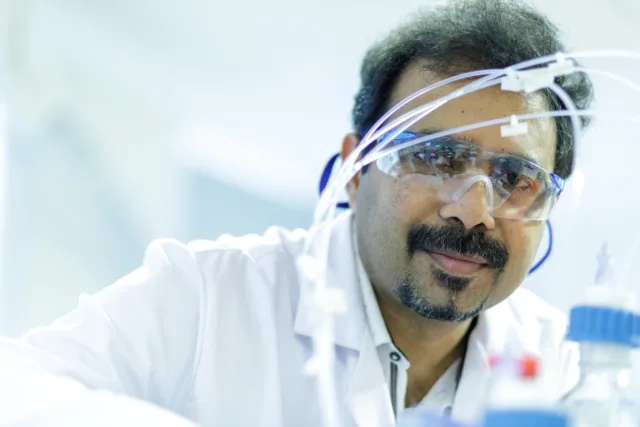
The placement students, Jamie, Fabio, Conor, Martyna, Erin and Adam, brought expertise from agriculture, analytical science and engineering disciplines. Their placements reflected the multidisciplinary nature of peatland restoration, where research, monitoring, conservation and community engagement work together to improve the health of peatland ecosystems.
The placements also supported several of ATU’s research and innovation activities within PEAT+, including the development of portable soil analysis methods, testing innovative monitoring technologies, and exploring new approaches to hydrological monitoring and environmental data collection.
This opportunity provided students with exposure to cutting-edge environmental research while creating valuable opportunities for knowledge exchange between academia and practical conservation.
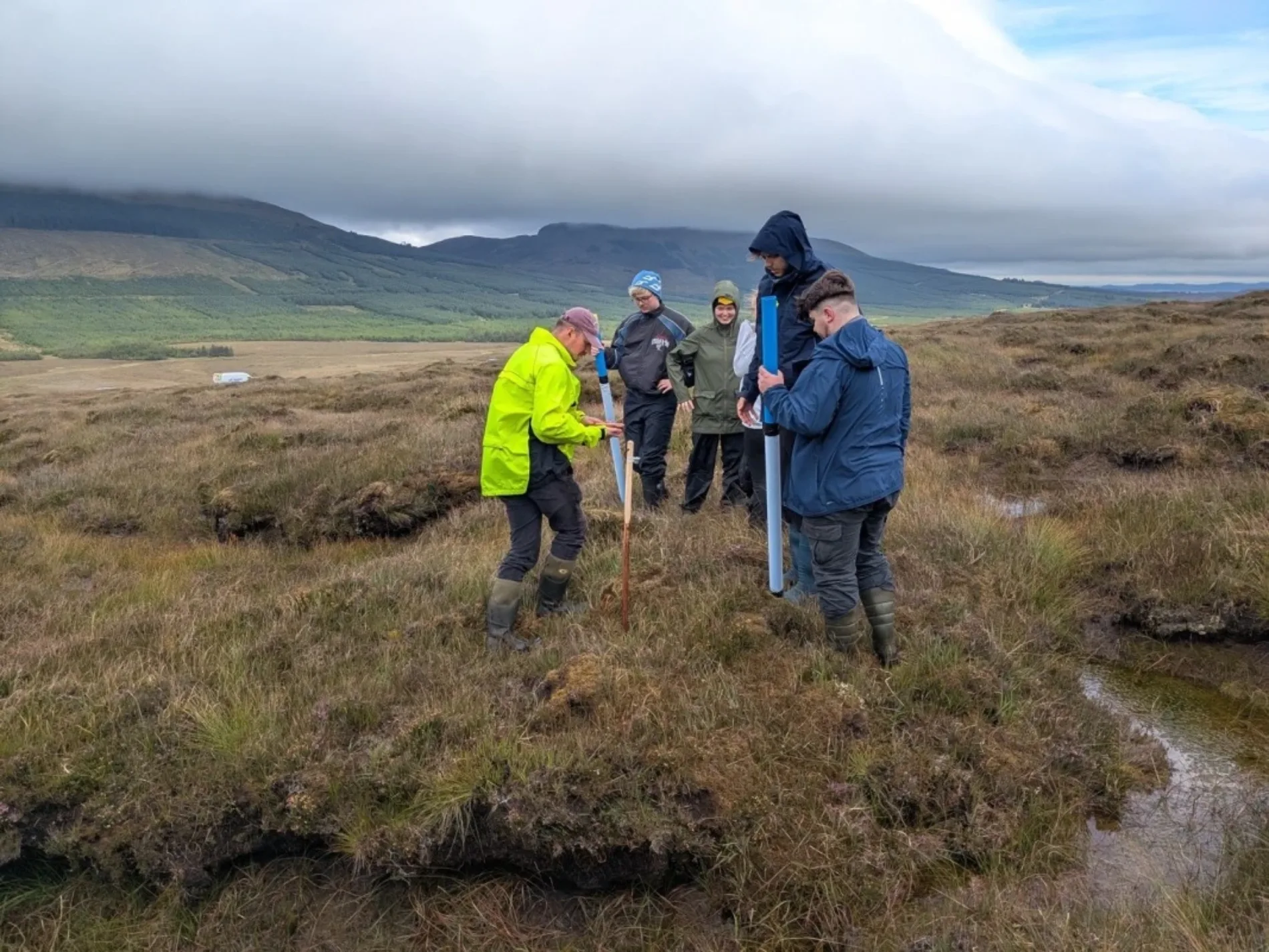
It is estimated that 80% of Irish peatland is still in a degraded state and a source of carbon emissions.
Importantly, the benefits of the programme extend well beyond 2026. Feedback and learning from this year’s placements will help strengthen future cohorts in 2027 and 2028, ensuring continuous improvement and lasting impact.
Despite significant progress in peatland restoration across Ireland in recent years, it is estimated that around 80% of Irish peatlands remain in a degraded state and continue to release carbon emissions. Healthy peatlands store large amounts of carbon, but when damaged through drainage, overgrazing or wildfire, they release that carbon into the atmosphere.
Restoring these landscapes is therefore critical in tackling climate change, while also restoring biodiversity, improving water quality and reducing flood and wildfire risk.
The €19.2 million cross-border PEAT+ project was established to help restore Ireland’s peatlands and will deliver large-scale restoration across Northern Ireland and the border counties of Ireland.
Over the next three years, the project will work across 19 priority sites to restore more than 12,000 hectares of peatland, the equivalent of approximately 16,000 football pitches.
Speaking at the project launch earlier this year, Ulster Wildlife Chief Executive Dawn Miskelly said: “We’re very proud to be leading this significant project, which will make a lasting difference for nature, people and climate. The PEAT+ project will also help recover threatened species closely associated with peatland habitats, including golden plover and the large heath butterfly.”
Recent programmes to restore blanket bogs and raised bogs are beginning to show positive trends. We have much to share with and learn from each other, and I look forward to following the project’s progress as we work together to help our peatlands thrive again.” – Minister of State for Nature, Heritage and Biodiversity Christopher O’Sullivan TD.
“Initiatives such as the PEAT+ Project create opportunities for us to share knowledge and skills and join forces across the island of Ireland to restore these habitats for nature and to enhance our environment and wellbeing”, added Minister for Housing, Local Government and Heritage James Browne TD.
Northern Ireland Minister of Agriculture, Environment and Rural Affairs Andrew Muir MLA said the PEAT+ programme provides a “unique opportunity for collaboration between landowners, project partners and statutory agencies across Northern Ireland and the Republic of Ireland”.
SEUPB Chief Executive Gina McIntyre said: “PEAT+ aims to protect habitats and species of international significance while also addressing carbon storage and water regulation. This partnership brings together scientific knowledge, land management experience and community engagement skills. It reflects the cross-border nature of the challenge and the shared responsibility to address it.”
Delivery partners include Armagh City, Banbridge and Craigavon Borough Council; Atlantic Technological University; Crichton Carbon Centre; Cuilcagh Lakelands Geopark; Fermanagh and Omagh District Council; Newry, Mourne and Down District Council; Mourne Heritage Trust; and RTÉ, alongside associate partners NI Water and the National Parks and Wildlife Service (NPWS).
PEACEPLUS is a cross-border funding programme managed by the Special EU Programmes Body (SEUPB) that supports peace-building, community development and sustainable economic growth across Northern Ireland and the border counties of Ireland.