English
Gaeilge
The untold story of Suresh
“There were moments that highlighted how critical timely support can be – this motivation is deeply personal”.
Interview by Anne Donnelly
Behind every scientific breakthrough is a story of persistence and purpose.
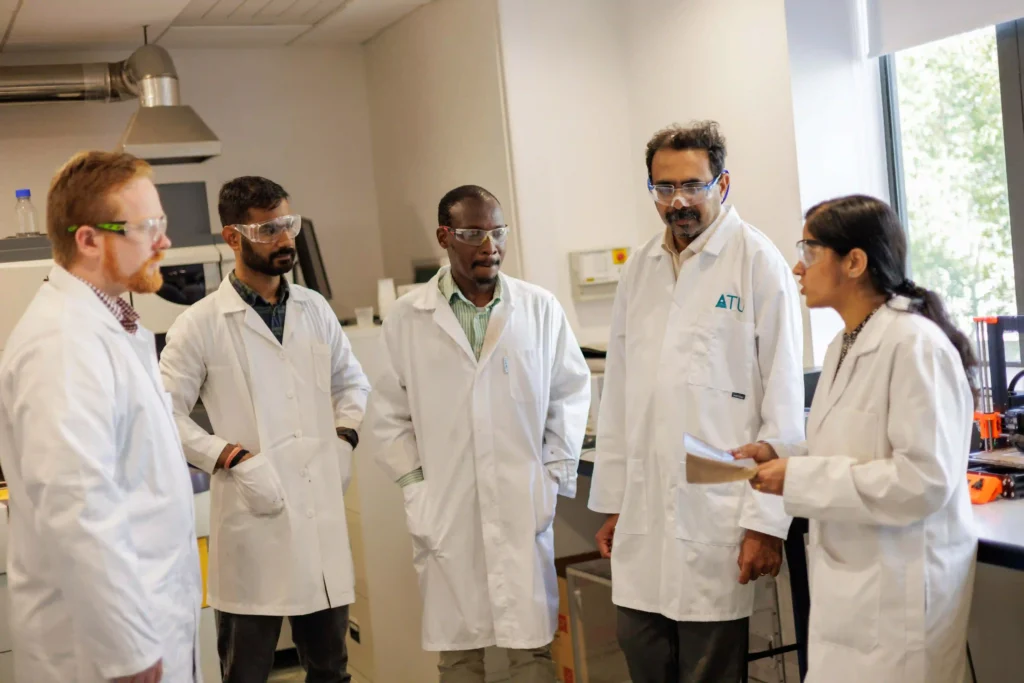
Professor Suresh C. Pillai, a leading researcher in nanotechnology and biomaterial research, shares the story of his path from rural India to conducting pioneering research at ATU. In March 2026, he was elected a Member of the Royal Irish Academy (RIA) — considered the highest academic honour in Ireland. Prof. Pillai joined ATU in 2013 as a senior lecturer in nanotechnology and currently leads the Nanotechnology and Bio-Engineering Research Centre.
Was there a defining moment that made you realise you wanted to be a researcher?
It was a gradual progression.
As a child, I was always curious about science often asking questions and exploring ideas beyond what was taught in the classroom.
Although those early ideas never progressed, they sparked a lasting curiosity about innovation and problem-solving. This curiosity continued to grow during my education, as exposure to experiments, problem-solving, and the practical application of science made the subject increasingly engaging.
Coming from a farming background in Kerala, India, I dreamed as a child of developing new plant varieties that could produce higher yields and improve agricultural outcomes.
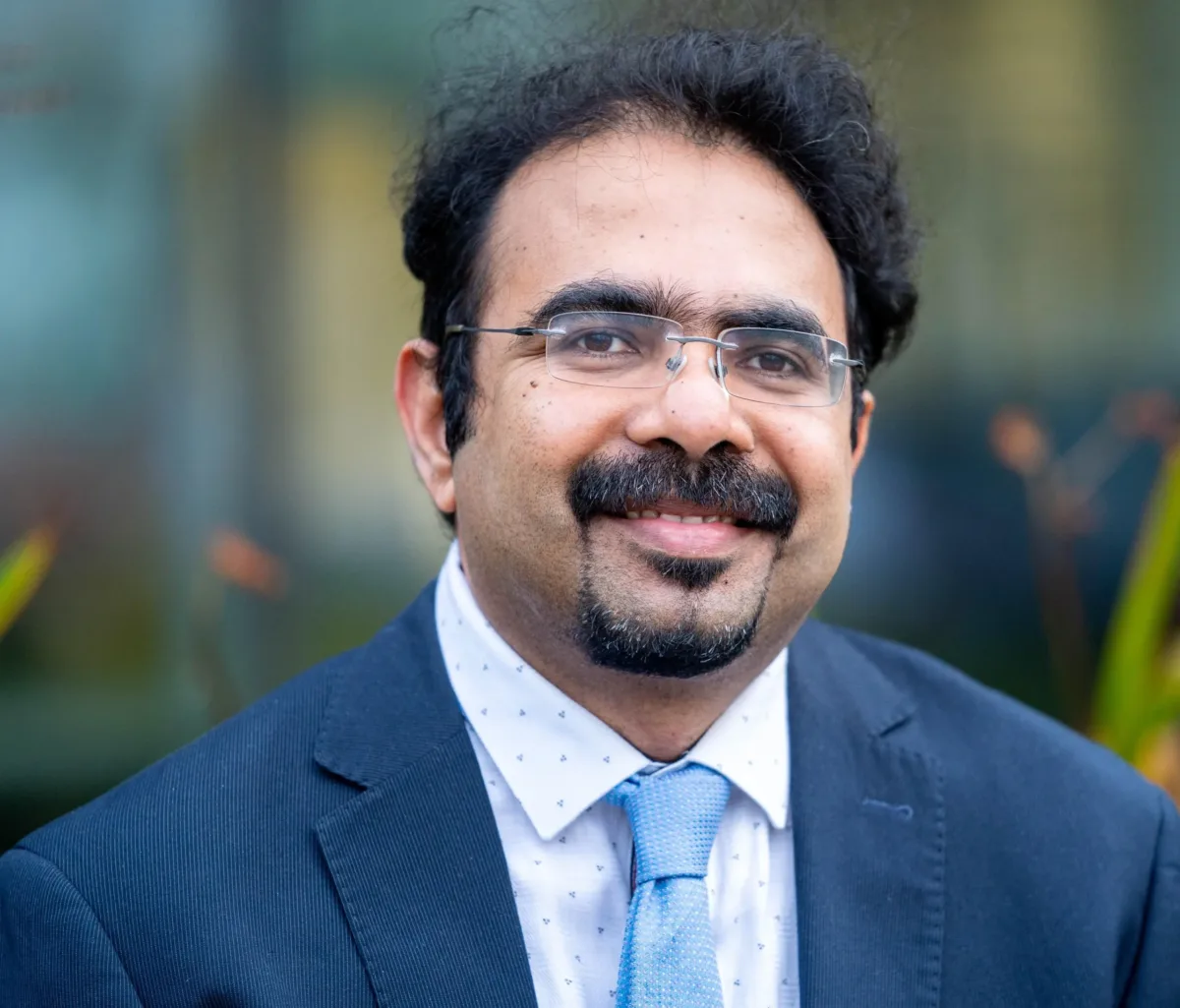
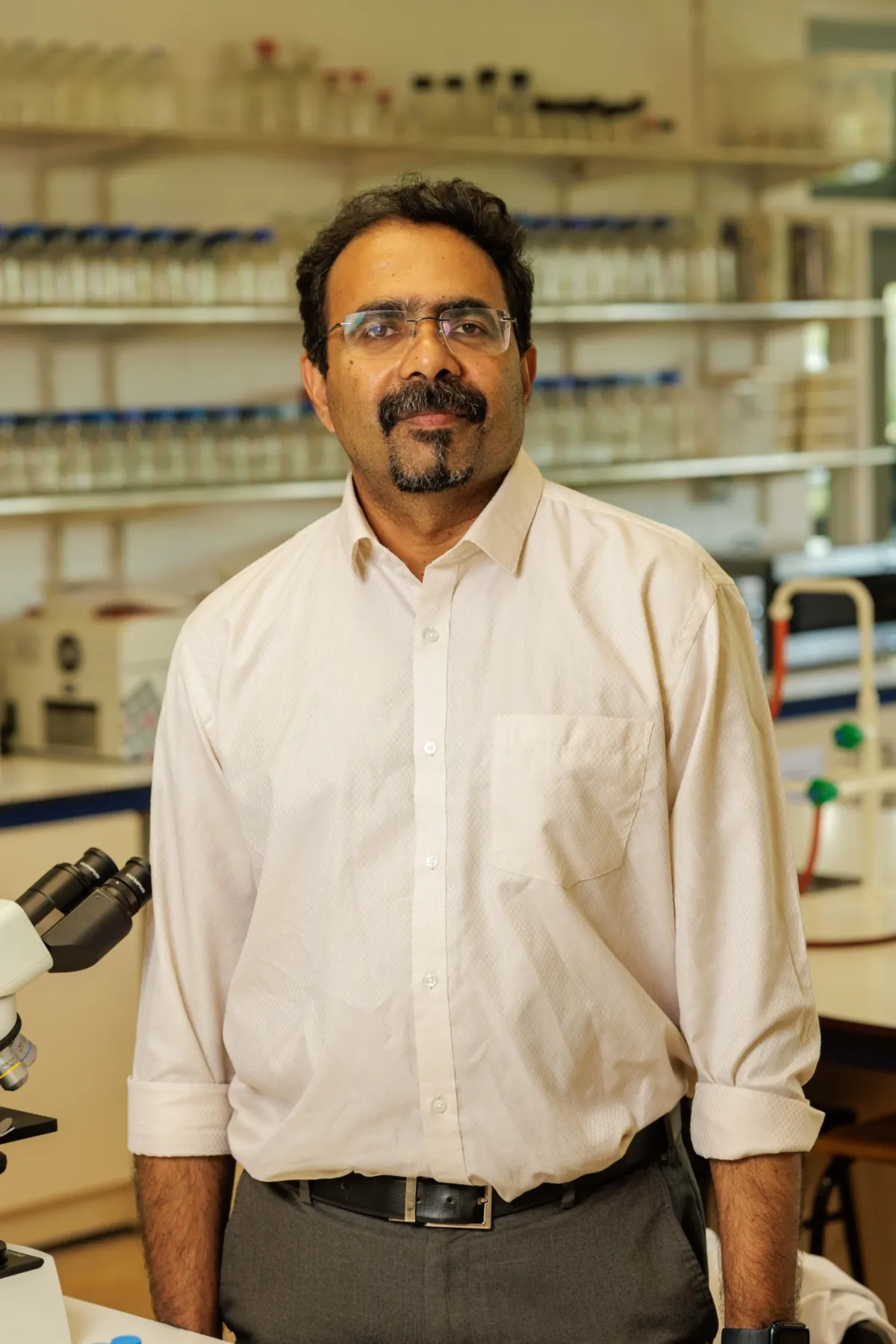
Prof Suresh Pillai
What would you consider to be your team’s top three research discoveries?
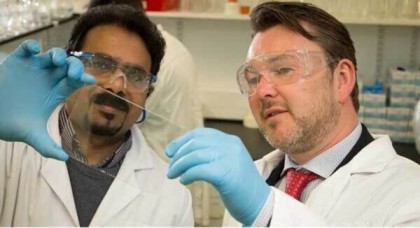
The first is the development of a nanomaterial-based antimicrobial coating aimed at reducing hospital-acquired infections. This work has led to several granted patents and publications, as well as licence transfers to Irish companies, demonstrating both scientific and practical significance in healthcare settings.
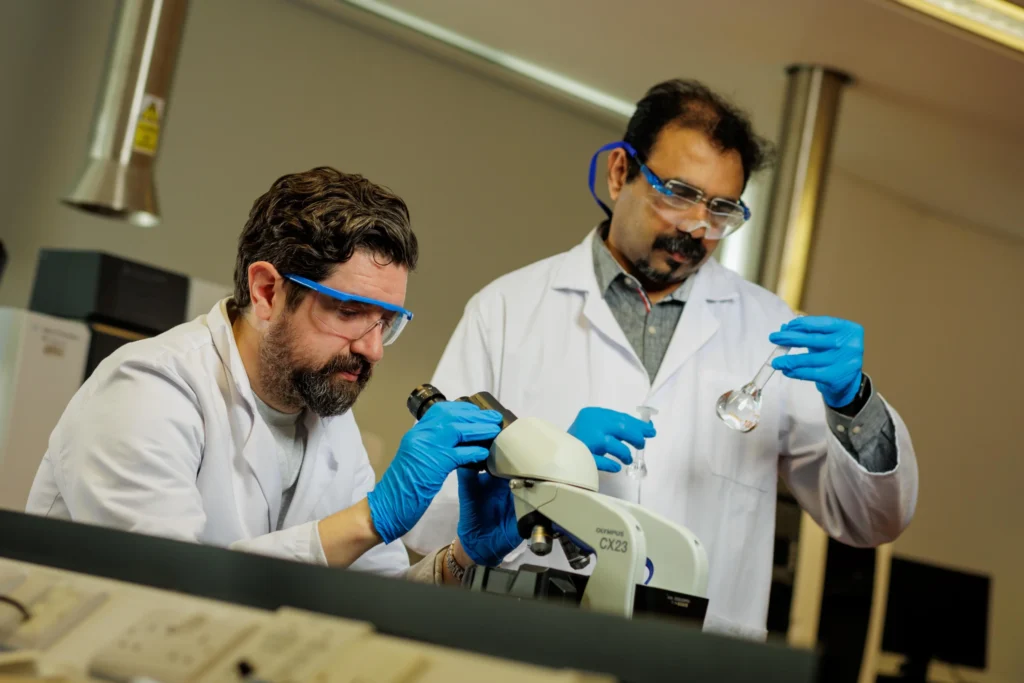
Second, we advanced visible-light-active antimicrobial coatings for industrial applications, enabling more efficient photocatalytic materials that support self-cleaning surfaces and improved hygiene across health sectors.
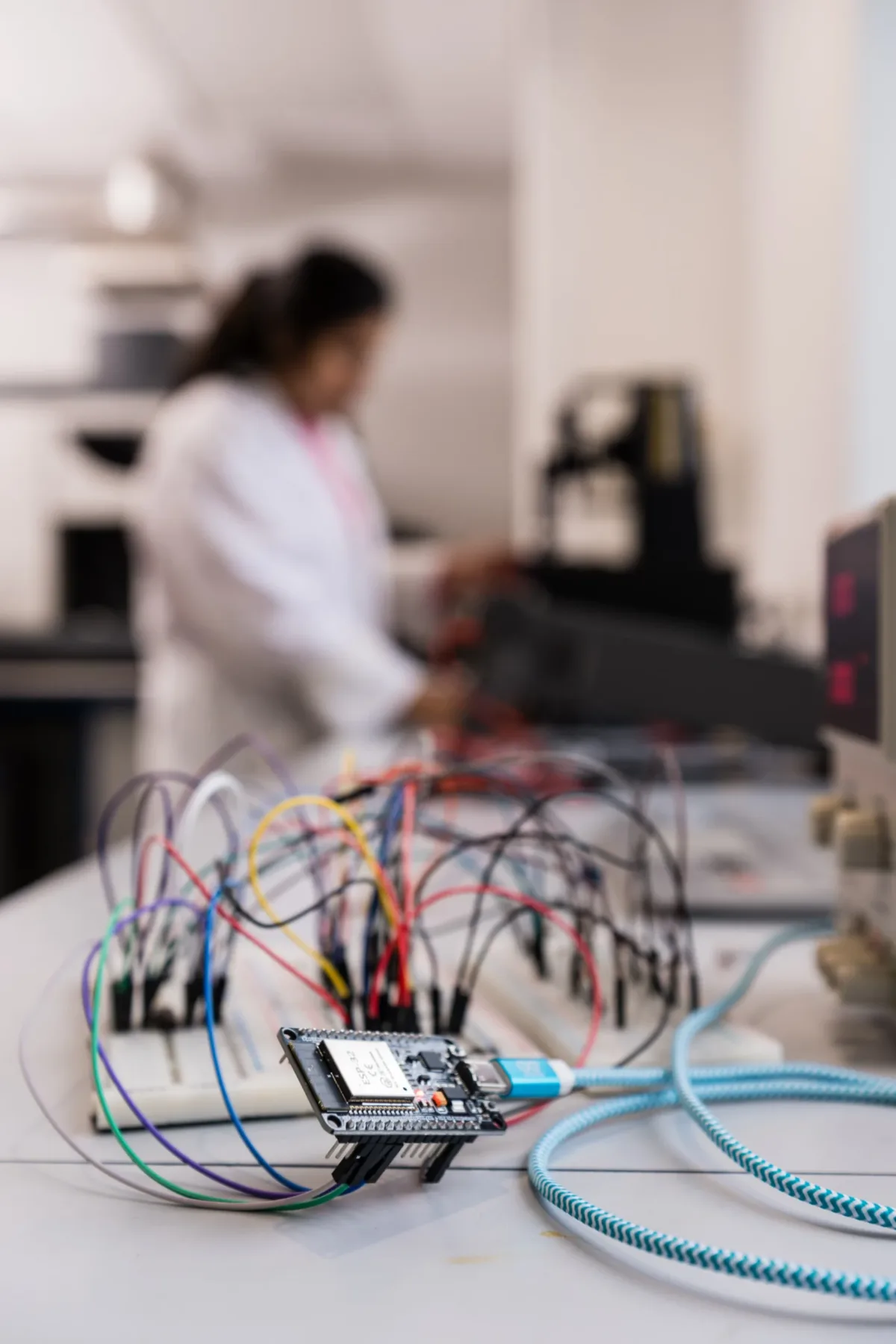
Third, our recent work on textile-based triboelectric nanogenerators (T-TENGs) has yielded high-performance devices that convert human motion into electrical energy. This innovation opens the door to smart textiles that are self-powered, washable, and suitable for wearable biomedical sensors.
This motivation is deeply personal…situations like this emphasise the urgent need for technologies that can instantly alert caregivers and help locate vulnerable individuals quickly and safely.
Why do these discoveries matter?
Collectively, these contributions matter because they address critical challenges in healthcare, sustainability, and next-generation wearable technologies.
If you had unlimited funding for one project, what would you study and why?
I would focus on developing advanced biomedical technologies to support older adults, particularly those living with dementia. This motivation is deeply personal: my mother passed away from Alzheimer’s disease two years ago, and I witnessed firsthand the challenges she faced. My sister was her primary carer, and through her experience, I came to understand that caregivers often face even greater emotional, physical, and mental strain than the patients themselves.
There were also moments that highlighted how critical timely support can be. On one occasion, my mother disappeared from home for a couple of hours, which was a deeply traumatic experience for my sister. Situations like this emphasise the urgent need for technologies that can instantly alert caregivers and help locate vulnerable individuals quickly and safely.
Has any of your research produced results that surprised you?
Yes, some of our research outcomes have genuinely surprised me. For example, a material originally developed for catalytic applications turned out to be highly effective in addressing hospital-acquired infections.
In several cases, we began with a clear hypothesis, but the experimental results led us in a different and sometimes more interesting direction. These unexpected outcomes are a vital part of the research process. They challenge our assumptions, encourage us to rethink our understanding, and often open new avenues that we might not have considered initially.
What research question are you most excited about right now?
How we can design a self-powered system that integrates sensing and energy harvesting within a single platform for biomedical devices. Specifically, I am interested in whether materials can be engineered to continuously convert ambient energy such as mechanical motion, light, or heat into usable electrical power while simultaneously functioning as sensitive, reliable detectors of physical or biochemical signals.
Why is this important?
It addresses a fundamental limitation in current sensor technologies, which is dependence on external power supplies and frequent maintenance. By building energy harvesting directly into the material, we can enable long-lasting, autonomous operation in applications ranging from wearable health monitoring to biochemical sensing.
What has been the biggest challenge in your research career so far?
In research, experiments often do not go as expected, and results can be inconsistent despite careful planning and significant effort. This can be mentally demanding, particularly when considerable time and resources have already been invested.
For example, we developed a new water treatment technology capable of eliminating nearly all microbes. However, when we attempted to scale it up to a pilot scale, it failed due to issues related to the surface-to-volume ratio. As a result, we had to completely redesign the system to make it effective for real-world applications.
How have you contributed to the development of other researchers?
A significant portion of my time has been dedicated to fostering researchers’ career development, helping them achieve their full potential. I have supervised over 20 postdoctoral researchers and 18 PhD researchers.
Most of the former postdoctoral researchers and PhD students under my supervision are now employed at multinational companies such as Intel, Merck, Pfizer, AbbVie, Abbott, Bristol Myers Squibb, and Mylan, as well as at national laboratories, including the Forensic Science Lab.
Several of my mentees have earned notable recognition for their outstanding research contributions including the Irish University Chemistry PhD Student Award, PhD Researcher of the Year from the Environmental Science Association of Ireland, and the Kathleen Lonsdale Royal Irish Academy (RIA) Award for the best PhD thesis in chemical sciences in Ireland.
What advice would you give to early-career researchers or PhD students?
Research can be challenging, and things don’t always go as planned, but it’s important not to give up. If you enjoy what you do, it becomes easier to stay motivated. Hard work and self-motivation are key, especially when progress feels slow or uncertain. Keep working steadily, stay disciplined, learn from setbacks, and trust your ideas.
There were many days, during my PhD research, when I cried, felt hopeless, and even moments when I thought it might be the end of the road for me in research. However, somehow, I managed to keep going, step by step, driven by hard work and self-motivation.
Not every day is productive or positive, and uncertainties are natural. What matters is accepting these moments without letting them define your journey and continuing forward with patience, effort, and belief in the long-term purpose of your work and life.
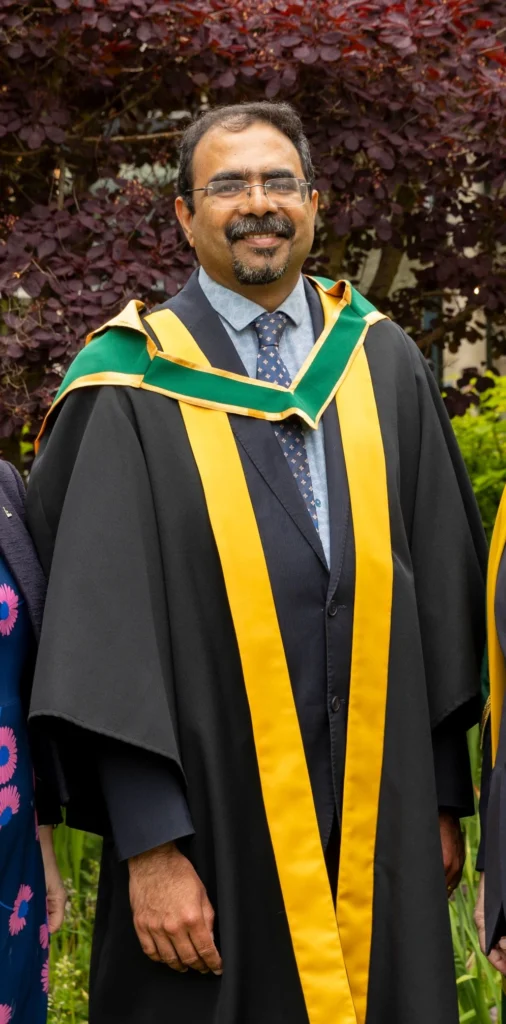
Prof Suresh C. Pillai completed his PhD in the area of Nanotechnology from Trinity College Dublin. Suresh joined ATU as a senior lecturer in nanotechnology and leads the Nanotechnology and Bio-Engineering Research Group. His research was featured in various international media outlets, including BBC World, BBC London, as well as in The Times, The Guardian, and more. He is a recipient of the ‘Industrial Technologies Award 2011’ for licensing functional coatings to Irish companies. He was also the recipient of the ‘Hothouse Commercialisation Award 2009’ and the recipient of the ‘Enterprise Ireland Research Commercialisation Award 2009’. One of the nanomaterials-based environmental technologies developed by his research team was selected as one of the fifty ‘innovative technologies’ at the first Innovation Convention organised by the European Commission. Currently, he is the executive editor of the journal Results in Engineering (Elsevier) and the Chemical Engineering Journal (Elsevier).
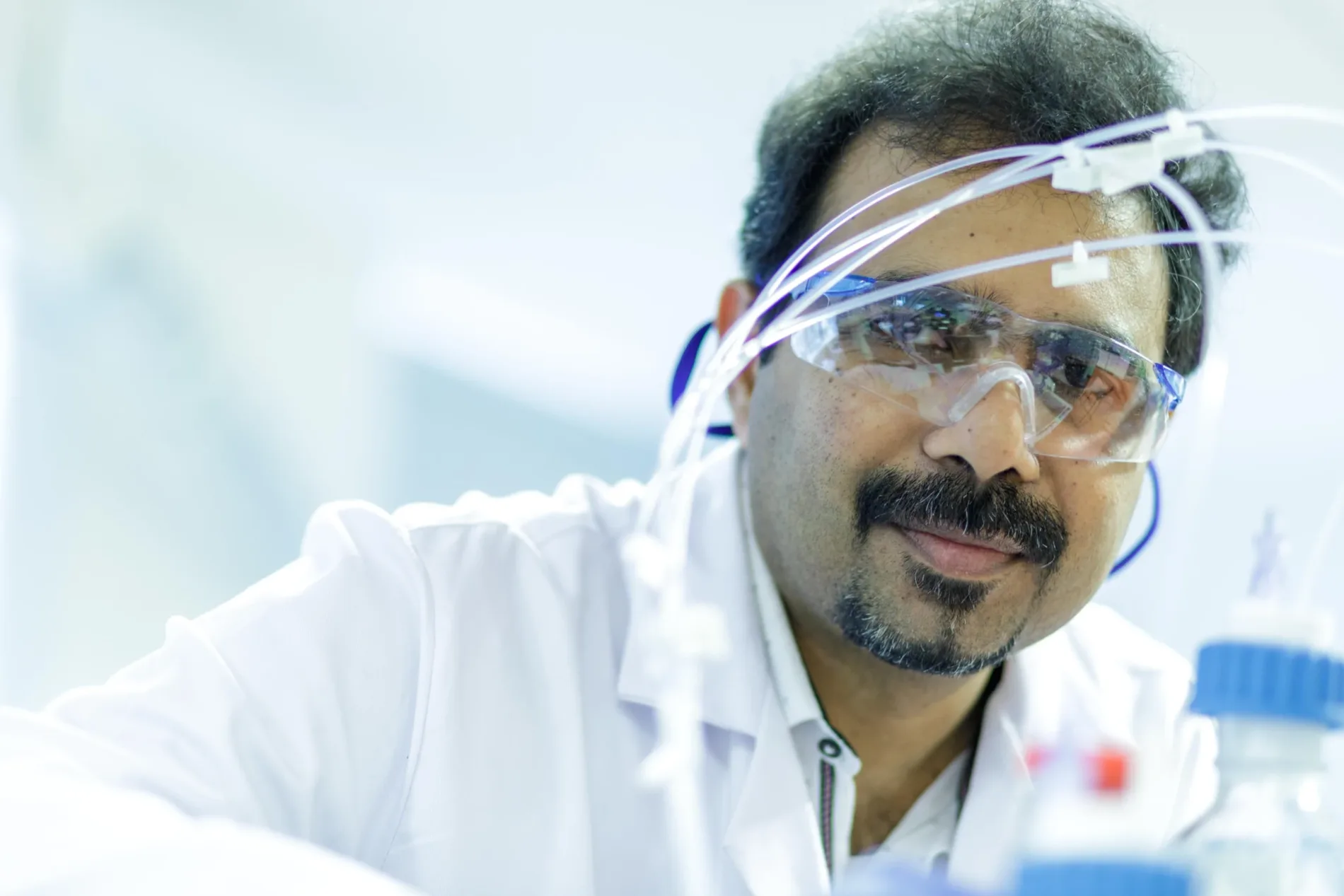
Featured Image: Professor Suresh Pillai at Altantic Technological University. Photo by James Connolly.