
Courses
Ever wanted to take part in a real archaeological excavation in Sligo town?
Community volunteers sought for 2026 Green Fort archaeological excavation- 1-9 June 2026.
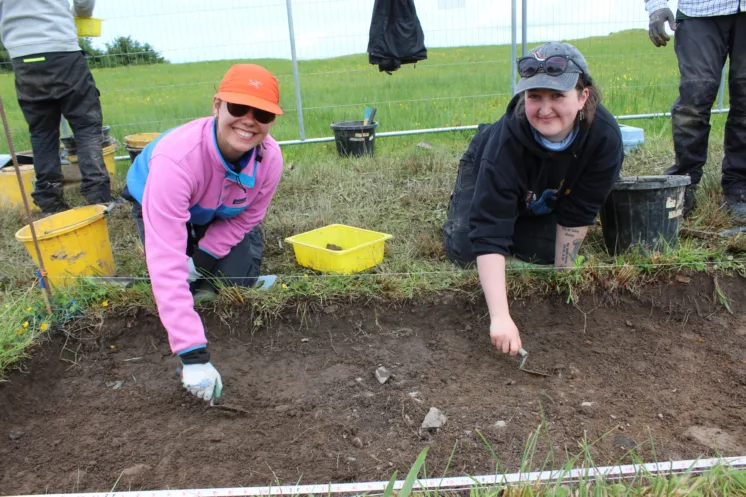
Community volunteers are being invited to take part in the 2026 season of the Green Fort Archaeological Project, which will return to Fort Hill, Rathquarter, Sligo town this June. The initiative, led by Atlantic Technological University (ATU) in collaboration with Sligo County Council and the National Monuments Service, aims to further explore the 17th-century bastioned fort known as the Green Fort.
The project was first conceived in 2023 following discussions among ATU archaeologists Dr Fiona Beglane and Dr Marion Dowd, along with project partners. The Green Fort is one of approximately 65 bastioned forts in Ireland and one of seven such sites in County Sligo. Likely constructed during the Nine Years’ War (1594–1603), the fort later played a strategic role in the Williamite Wars, forming part of the defences of Sligo town. Historical records indicate multiple phases of military activity, including refortification, artillery deployment and occupation by a diverse garrison of soldiers, officers and support personnel.
The first archaeological excavation of the Green Fort took place over two weeks in June 2025 and was directed by Dr Beglane and Dr Dowd, with the support of Sligo County Council and the Forthill Men’s Group. The excavation uncovered a demolition layer across the interior of the fort containing brick, slate, glass, pottery, clay pipes and military artefacts including musket balls and a possible gunflint. The absence of modern material suggests the layer dates to a historic phase, potentially linked to preparations to defend Sligo against Humbert’s forces in 1798.
Additional discoveries included two large areas of burning, possibly associated with kilns or bonfires, and a stone-built drain, indicating efforts to improve living conditions for those stationed at the fort.
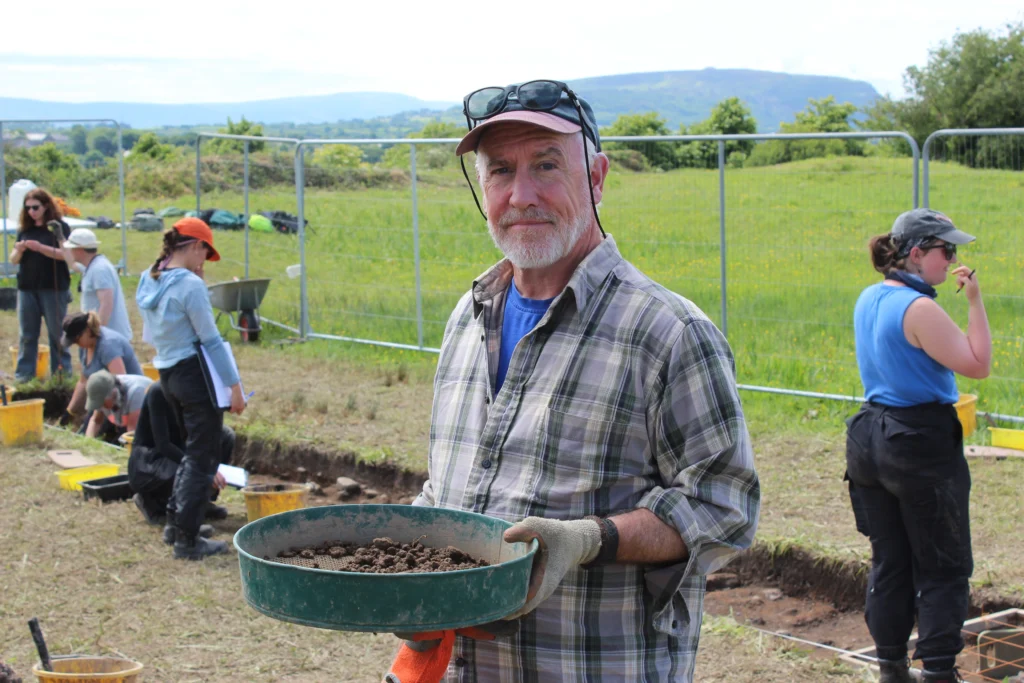
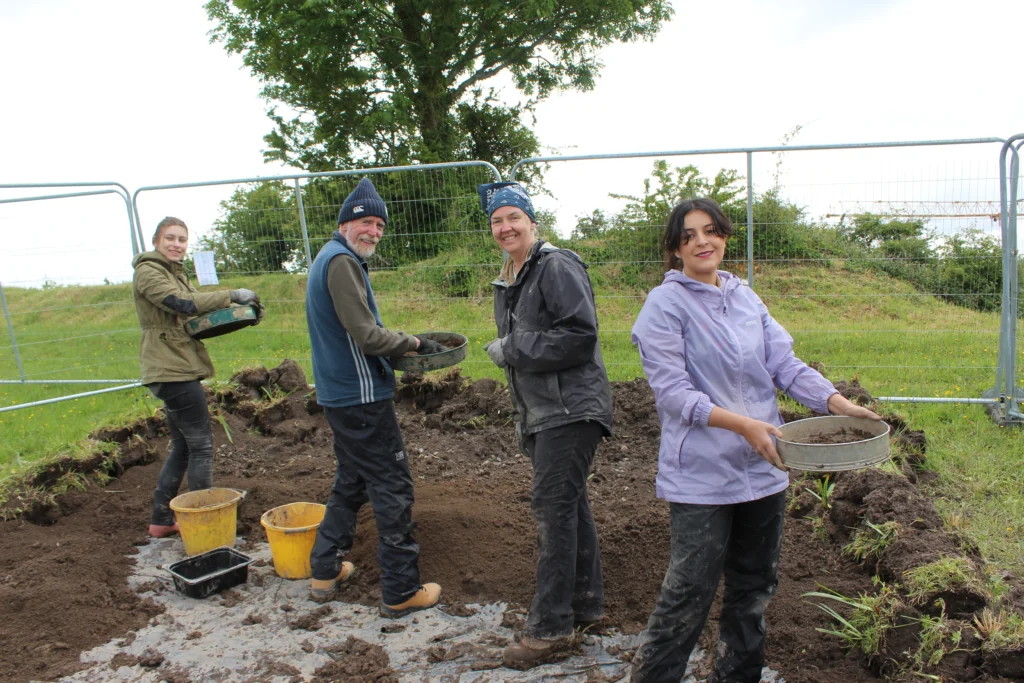
The 2025 excavation was designed as both a training opportunity and a community outreach initiative. Fourteen ATU students from Ireland and overseas participated, alongside 11 community volunteers who worked on-site and in post-excavation processing. A public open day and school visits attracted more than 150 visitors, and the project received extensive media coverage.
A second season of excavation will take place from 1-19 June 2026. The team aims to gain further insight into the buildings, structures and features that once occupied the fort, helping to shed light on life at the site during the 17th century. Community engagement will remain a central focus, with outreach activities and opportunities for members of the public to participate directly in the excavation.
The project will involve three weeks of excavation and post-excavation work, both on-site and in the Archaeology Laboratory at ATU Sligo. The excavation will again be directed by Dr Fiona Beglane (licence holder) and Dr Marion Dowd.
Twelve community volunteers are now being sought to participate in two- and three-day sessions funded by Sligo County Council. Volunteers will assist with excavation, recording and artefact processing, working alongside students and professional archaeologists.
Those interested in taking part can apply via the following link:
https://forms.gle/SMfyfsiH4SuResTz6
The closing date for completed volunteer application forms is 6pm on Friday, 8 May 2026.
Contact details:
Dr Fiona Beglane, ATU’s Sligo Campus fiona.beglane@atu.ie
Dr Marion Dowd, ATU’s Sligo Campus marion.dowd@atu.ie
For media enquiries, contact:
Ivana Hanjs
Communications Officer
Tel: 089 963 9559
E: ivana.hanjs@atu.ie