English
Gaeilge
AI is shaping career planning- but students want boundaries
As generative artificial intelligence (AI) continues to transform how students explore careers, apply for jobs and prepare for interviews, new insights from Atlantic Technological University (ATU) highlight a more nuanced reality: students are curious about AI, but they want guidance, structure and clear boundaries around its use.
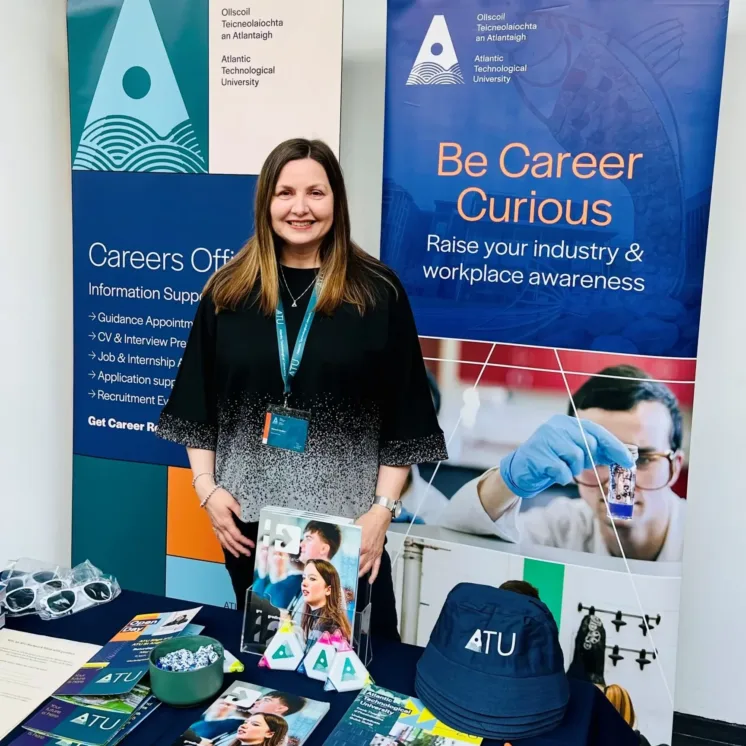
Deborah Seddon, Careers Officer at ATU, has completed a dissertation exploring how higher education students perceive and engage with generative AI in career planning. With more than 25 years’ experience in career guidance, including almost 18 years at ATU, her research offers timely insights into how universities can support students navigating AI in career planning.
Completed as part of an MA in Career Development through the University of the West of England, the dissertation ‘Generative AI: Friend or Foe?’ examined students’ emotional responses, perceptions and engagement with generative AI in career development. The study drew on survey and focus group data from university students across Ireland and the UK.
One of the most striking findings was the disconnect between students’ strong opinions about AI and their limited hands-on use.
“Many students held strong views about generative AI despite limited experience,” Deborah explained. “Initial concern centred on environmental impact, creativity, ethics, and future employment. However, optimism emerged when students had space to discuss AI and consider how it could support rather than replace them.”
Some students are applying AI to their CVs, interview preparation and career exploration, often through tools such as CareerSet. Others, particularly in creative disciplines, remain cautious due to concerns around originality, sustainability and job displacement.
Deborah highlights that AI can support career development when used intentionally.
Generative AI can support career development when it is positioned as a thinking partner rather than a decision-maker,” she said. “Students can use AI to simulate mock interviews by generating role-specific questions and practising responses. This supports reflection, confidence-building and preparation without replacing judgement or professional guidance.
As AI becomes more embedded in recruitment and career preparation, universities have an important role in acknowledging emotional responses, building AI literacy and creating safe spaces for ethical experimentation, she further noted.
Embedding AI within careers education, rather than treating it as an optional add-on, is identified as a key next step.
The findings reinforce the role of universities in preparing graduates for a rapidly evolving workplace, where technological capability must be balanced with critical thinking and ethical awareness.
Deborah believes ATU is well positioned to lead in this space by building on existing good practice, investing in staff development and leveraging expertise across the university community.
“Remain curious but critical,” she advises students. “Use AI to support thinking, not replace it. While AI is reshaping tasks, human judgement, creativity and ethics remain essential.”
As generative AI continues to evolve, the research suggests the question is no longer whether students will use AI, but how they can be supported to use it responsibly and effectively.
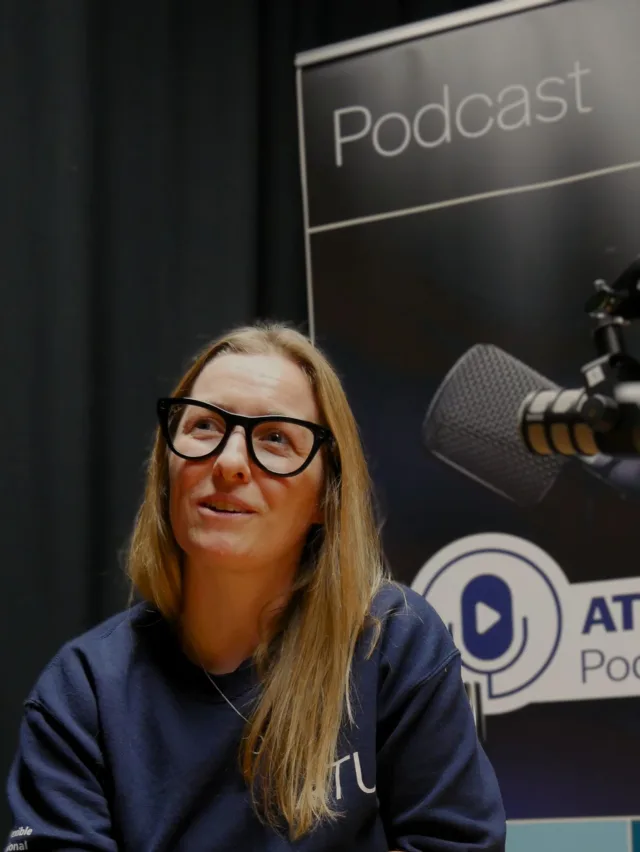
Photo caption: Deborah Seddon, Careers Officer at Atlantic Technological University (ATU).
This piece is part of Bright Minds, Big Impact, a series highlighting ATU’s research excellence and the people driving meaningful change.
For media enquiries, contact:
Ivana Hanjs
Communications Officer
Tel: 089 963 9559
E: ivana.hanjs@atu.ie