
English
Gaeilge
Why are we flushing clean rainwater down the drain?
ATU researcher Muteeb Ahmad Sheikh investigates how household rainwater harvesting could ease pressure on sewer networks.
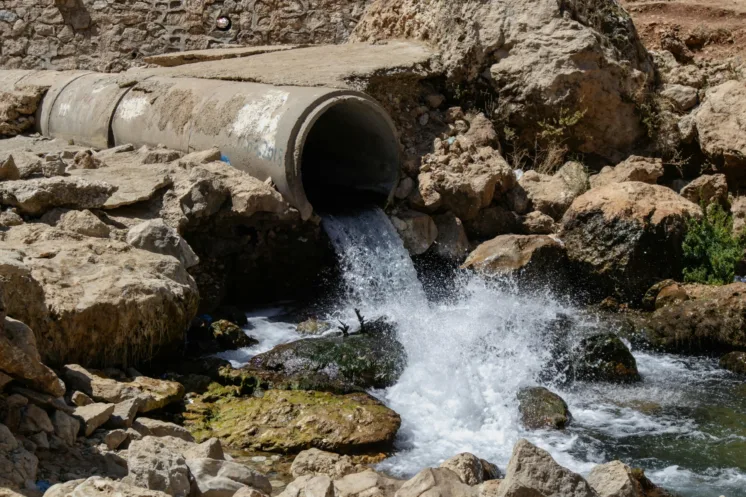
The construction of the €114 million Athlone Main Drainage Scheme has been described as a ‘once in a generation’ project to help resolve sewage overflow.
For Muteeb Ahmad Sheikh, PhD researcher at ATU, sewage overflows and strained drainage systems across Ireland could be alleviated with simple rainwater harvesting systems.
Rainfall that could be captured and reused is disappearing into drainage systems that are already under strain during heavy downpours. In Ireland, annual rainfall ranges from about 800mm in the east to over 2,000mm in the west, much of it running off roofs and hard surfaces.
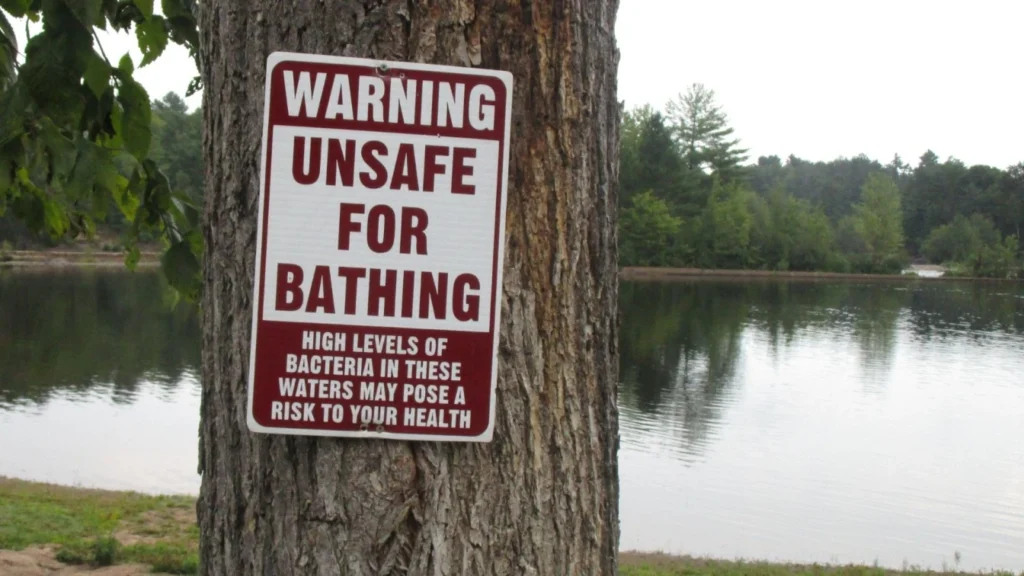
When heavy rain arrives, the effects are familiar: bathing water warnings appear, rivers and coasts come under pressure, and in some towns stormwater and wastewater still share the same pipes. When those systems are overwhelmed, diluted sewage can overflow into the environment through Combined Sewer Overflows.
The response is usually technical: how do we build bigger pipes?
But there is another question: why are we sending so much clean rainwater into the system in the first place?
Muteeb explains that “early modelling simulations using long-term rainfall data suggest domestic systems could retain around 18–30% of annual roof runoff, depending on tank size and demand”.
This means up to a third of roof rainfall could be intercepted at source. This aligns with previous studies showing that rainwater harvesting systems can significantly reduce runoff volumes and peak flows at the household scale.
But the effect is not constant. During heavy storms, retention drops to around 4–7% as tanks fill quickly, meaning these systems are not flood protection on their own.
“Sewer systems rarely fail because of a single storm event. They fail under repeated pressure over time”, explains Muteeb Sheikh, PhD researcher.

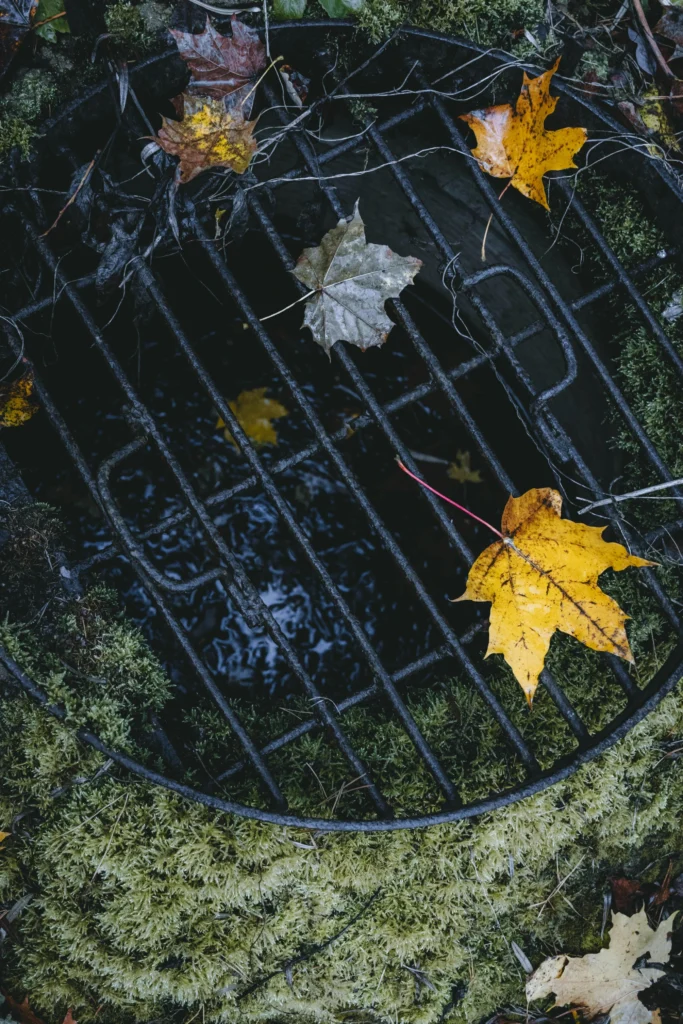
Even small reductions in runoff, and slight delays in peak flow, can reduce stress on infrastructure.
Scaled across thousands of homes in Ireland, those small changes begin to matter.
A typical household tank might hold around 500 litres. On its own, that is modest.
“But 1,000 homes create around 500 cubic metres of temporary storage — roughly half an Olympic swimming pool taken out of the drainage network during rainfall”, explains Muteeb Sheikh.
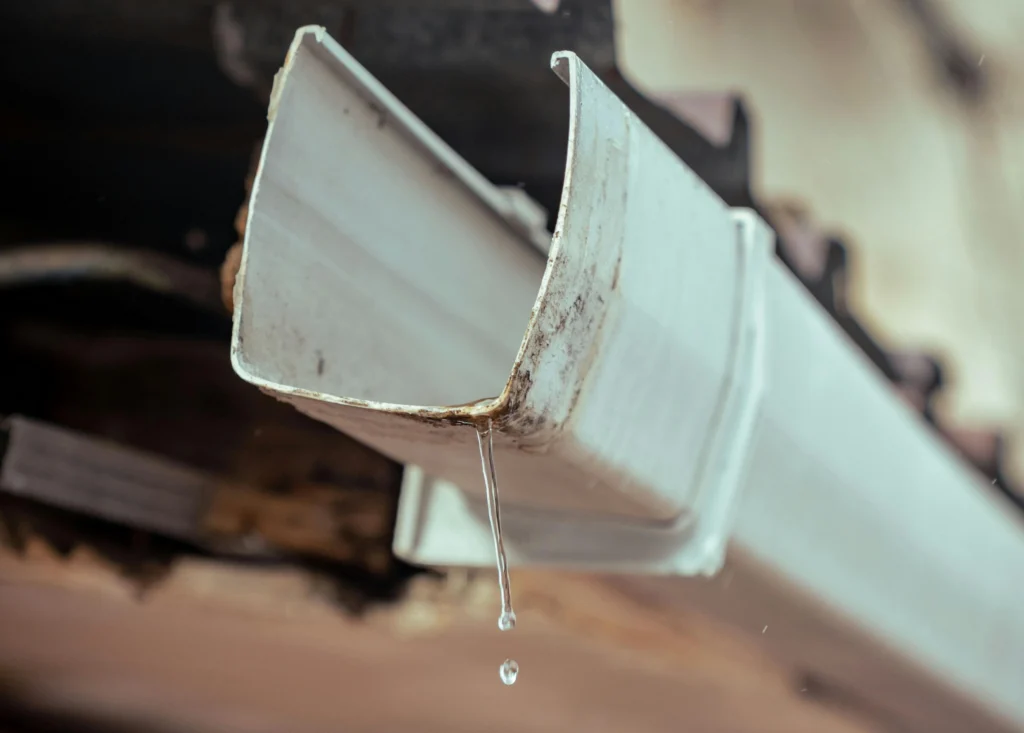
Individually, the impact is small, but collectively it begins to resemble infrastructure. If systems retain even part of annual runoff, they reduce how much water enters combined sewers over time.
Rainwater harvesting has long been recognised as a simple and practical way to supplement water supply and reduce demand on treated systems, particularly during periods of drought and water stress.

“Rain is often seen as a nuisance in Ireland, but in the face of climate change and longer periods of drought, it is time to reframe it as a resource,” explains Dr Ruth Quinn, lead supervisor and researcher at ATU.
From RTÉ Brainstorm, Why you should be collecting and using rainwater by Dr Ruth Quinn.
However, it will not solve sewer overflows on its own. Large-scale infrastructure investment is still essential, but centralised systems are expensive and slow to deliver, and they often respond after problems emerge.
Distributed systems work differently because they act at the source.
They also align with sustainable drainage principles, which aim to capture the first flush of rainfall— often the most polluted runoff.
Yet, we still tend to think of water management as something that happens in pipes, treatment plants and drains, rather than something that begins on rooftops.
Flooding and coastal water quality are not just engineering challenges, but systems challenges.
That raises practical questions. Should rainwater harvesting be incentivised in high-risk areas? Should it be included more explicitly in planning guidance? Could neighbourhood-scale pilots demonstrate cumulative impact? And should distributed storage be included in drainage modelling?
Perhaps the question is not whether we can afford to store rain where it falls, but whether we can afford not to.
This research is funded under RISE@ATU with supervision by Dr Ruth Quinn, and Dr Karla Munozesquivel with support from the JANUS Research Centre. RISE@ATU is co-funded by the Government of Ireland and the European Union through the ERDF Northern and Western Regional Programme 2021-27.
About Muteeb Ahmed Skeikh
Muteeb Ahmad Sheikh is a PhD researcher at Atlantic Technological University studying how rainwater harvesting could help tackle water shortages, flooding and pollution in coastal communities. Before starting his doctorate, he spent three years working with WWF-Pakistan on water, sanitation and hygiene projects, experience that now shapes his research approach. His work focuses on how domestic rainwater harvesting and sustainable drainage systems can capture runoff before it becomes polluted, helping to improve water security while making neighbourhoods more resilient to climate pressures.
For media enquiries, contact:
Jorden McMenamin
Communications Officer
Tel: 074 918 6127
E: jorden.mcmenamin@atu.ie