English
Gaeilge
Athletic Therapy and Exercise Rehabilitation
Bachelor of Science (Honours)
Sonraí an Chúrsa
| Cód CAO | AU321 |
|---|---|
| Céim | 8 |
| Fad ama | 4 Years |
| Pointí CAO | 388 (2026) |
| Modh Seachadta | On-campus |
| Suímh campais | Donegal – Letterkenny |
| Modh Seachadta | Lánaimseartha |
| Socrúchán oibre | Tá |
Forbhreathnú Cúrsa
Our Bachelor of Science in Athletic Therapy and Exercise Rehabilitation is a four-year programme that equips learners with the knowledge and clinical skills to successfully diagnose, manage, and treat injuries in high-performance athletes, recreational exercisers, and the general public.
Sport and exercise are critical for health and performance and there is high demand for graduates with the ability to deliver rehabilitation at all levels of sport and physical activity. The programme provides training in contemporary diagnostic and therapeutic techniques.
The first two years provide the core foundation of the degree, including anatomy, physiology, and musculoskeletal assessment while the last two years develop clinical skills through student-led clinics, a work placement, and a clinical research project.
Professional Accreditation
There is a strong focus on standards of professional practice. This programme is accredited by REPS (Register of Exercise Professionals) Ireland and ARTI (Athletic and Rehabilitation Therapy Ireland), which enables students in their final year to sit an examination to qualify as a Certified Athletic Therapist (CAT).
ARTI members can apply for credentials to British Association of Sport Rehabilitators (BASRaT), BOC (USA) and Canadian Athletic Therapists Association (CATA).
Sonraí an Chúrsa
Bliain 1
| Seimeastar | Sonraí an Mhodúil | Creidmheasanna | Éigeantach / Roghnach |
|---|---|---|---|
| 1 |
Health Related Physical ActivityThis module explores the significance of physical activity in relation to health, fintess and well-being. Learners will be provided with the underpinning knowledge and skills to perform assessments and provide clients with feedback pertaining to their health and fitness. Torthaí Foghlama 1. Define each of the health-related components of physical fitness and discuss the benefits of improved fitness for children and adults, including factors that affect fitness and barriers to participation. |
10 | Mandatory |
| 1 |
Sports Study Skills 1This module aims to develop learners’ interpersonal and transferable skills through professional practice and participation in a range of physical activity. This module will also provide the learner with practical knowledge of computer applications relevant to the sport, exercise and rehabilitation sector. Torthaí Foghlama 1. Demonstrate acceptable written and oral communication skills in the context of their own discipline of study, using a range of ICT tools effectively for communication purposes |
05 | Mandatory |
| 1 |
Clinical Skills IThis module is designed to introduce the fundamental skills and behaviours for professional practice as an Athletic Therapist. Students are educated on professionalism, communication skills, the role of an Athletic Therapist, ethics and scope of practice in clinical, field-based and multidisciplinary settings. Torthaí Foghlama 1. Describe the role of an Athletic Therapist in a clinical, field and MDT setting |
05 | Mandatory |
| 1 |
Clinical Anatomy IIntroduction of the anatomy of the lower limb, thorax, lumbar spine and pelvis region to students. It will explore anatomical terminology, the skeletal system, bones, joints and their classification. Students will also locate surface anatomy in the abdominal region. Torthaí Foghlama 1. Use anatomical and medical terminology showing understanding. |
10 | Mandatory |
| 2 |
Exercise Prescription and Programme DesignThe aim of this module is to provide learners with the knowledge, skills and practice in designing and delivering safe and effective exercise programmes for a range of clients including children and adults. Torthaí Foghlama 1. Describe the significance of the principles of exercise prescription in developing each of the components of fitness including necessary modifications in: frequency, intensity, time, type, volume, progression and adherence to meet PA guidelines for health, fitness and performance. |
10 | Mandatory |
| 2 |
Clinical Skills IIThis module is designed to introduce the fundamental skills and behaviours for professional practice as an Athletic Therapist. Developing students' knowledge base on clinical techniques used in practice, this module will introduce ethical considerations, the subjective assessment and use of range of motion testing while encouraging critical thinking skills. Torthaí Foghlama 1. Demonstrate the ability to record clear, concise and accurate clinical notes. |
05 | Mandatory |
| 2 |
Clinical Anatomy IIThis module is an i ntroduction to the anatomy of the upper limb and cervical spine region in relation to joints, ligaments, muscles and tendons. Students will learn to describe the anatomy of the cranium and face while also characterising the brain. Torthaí Foghlama 1. Characterise the joints of the skull, face, cervical spine and upper limb. |
10 | Mandatory |
| 2 |
Introduction to Human PhysiologyThis module provides an introduction of human physiology and its systems to students. It will give an overview of the body's systems and their interconnections while beginning to explore the responses to exercise in relation to physical exercise and clinical pathology. Torthaí Foghlama 1. Describe the physiology behind the musculoskeletal, cardiovascular, respiratory, nervous, digestive, endocrine, reproductive systems |
05 | Mandatory |
Bliain 2
| Seimeastar | Sonraí an Mhodúil | Creidmheasanna | Éigeantach / Roghnach |
|---|---|---|---|
| 1 |
Biomechanics & Movement AnalysisThis module aims to introduce students to the concept of biomechanics. It will help develop knowledge and understanding of how to apply biomechanical factors and its effect on athletic performance, injury reduction and neuromuscular training. Learners will attain skills required to conduct qualitative and quantitive analysis of human movement. Torthaí Foghlama 1. Outline the role of Biomechanics in sport, exercise and injury |
10 | Mandatory |
| 1 |
Injury Diagnostics IThis module develops students' diagnostic and clinical reasoning skills relating to the lower limb. Learners will demonstrate proficiency in orthopaedic and neurological assessment, explore biomechanical and functional contributors to injury, and interpret findings through evidence-based reasoning. This module introduces imaging interpretation and prepares students for applied clinical diagnostic practice. Torthaí Foghlama 1. Demonstrate proficiency in orthopaedic and neurological testing relating to the lower limb. |
10 | Mandatory |
| 1 |
Soft Tissue Manual TherapyThis module will develop the student's ability to apply a range of soft tissue therapy techniques, identifying impairments, and safe progression/regression of treatments where appropriate. It will explore the reasoning of their use in comparison to other modalities using evidence-based practice. Torthaí Foghlama 1. Explain the rationale behind the physiological and psychological effects of soft tissue therapy using research |
05 | Mandatory |
| 1 |
Introduction to Clinical PracticeThis module introduces students to core clinical practice as an athletic therapist through supervised, practice‑based experience. Students will develop foundational assessment, treatment and emergency‑care skills within student‑led clinics and team‑based placements, applying evidence‑based approaches to musculoskeletal and related presentations. Emphasis is placed on professional behaviours, accurate clinical documentation, interprofessional working and reflective practice. Supervised clinical hours contribute to ARTI mandatory requirements and are used alongside simulated scenarios, case studies and enterprise‑focused activities to prepare students for safe, ethical and service‑oriented practice. Students will certify in EFR and CFR-A as part of ARTI requirements. Torthaí Foghlama 1. Develop introductory skills as an athletic therapist in student-led clinics and team-based placement |
05 | Mandatory |
| 2 |
Sports and Exercise PhysiologyThis module examines key physiological reactions and adaptions in response to sport and exercise stress. Learners explore physiological changes at rest and during various acute and chronic types of exercise. A range of assessment techniques will be employed to evaluate physiological responses to exercise and training. Torthaí Foghlama 1. Identify fundamental responses of physiological systems at rest and during exercise |
10 | Mandatory |
| 2 |
Foundation of Strength & ConditioningThe aim of this module is to introduce the learner to the concept of Strength and Conditioning. Learners will be provided with the knowledge, skills and practical experience required to plan, prescribe and implement strength and conditioning programming to aid the development of the health and skill related components of fitness and performance. Torthaí Foghlama 1. Describe the underpinning concepts and principles of strength and conditioning |
10 | Mandatory |
| 2 |
Injury Diagnostics IIThis module develops diagnostic proficiency in the assessment of upper limb injuries. Students will perform advanced orthopaedic and neurological testing, interpret findings and apply evidence-based reasoning to clinical cases involving the shoulder, elbow, wrist and hand. Torthaí Foghlama 1. Demonstrate proficiency in orthopaedic and neurological testing of the upper limb. |
05 | Mandatory |
| 2 |
Developing Clinical PracticeStudents will develop their clinical practice skills by partaking in student-led clinics and team placement under mentorship and supervision. Here they will begin to expand their clinical reasoning skills and further develop foundational behaviours of professional practice by applying objective testing. Students will learn how to use prophylactic strapping and supports. Torthaí Foghlama 1. Apply clinical reasoning skills in student-led clinics and team placement settings |
05 | Mandatory |
Bliain 3
| Seimeastar | Sonraí an Mhodúil | Creidmheasanna | Éigeantach / Roghnach |
|---|---|---|---|
| 1 |
Injury Diagnostics IIIThis module focusses on advanced diagnostic evaluation of spinal, head and facial injuries. Learners will integrate cranial and neurological testing, concussion assessment and postural evaluation into evidence-informed clinical reasoning frameworks. Students will critically appraise diagnostic tools, apply professional judgement, and justify referral decisions within complex case scenarios. Torthaí Foghlama 1. Evaluate orthopaedic and neurological assessment findings of the spine, head and facial regions. |
05 | Mandatory |
| 1 |
RehabilitationIn this module, students will develop the skills to clinical ly manage a presenting injury and begin its rehabilitation in relation to spinal and upper and lower limb injuries. It will allow students to develop a return to play protocol for athletes and utilise available software/assessment methods as appropriate . Students will use evidence-based practice and critically appraise current evidence. Torthaí Foghlama 1. Develop a comprehensive rehabilitation programme for common injuries in the spine and lower and upper limbs |
10 | Mandatory |
| 1 |
Nutrition for Athletic RehabilitationThe aim of this module is to develop an in-depth understanding of the fundamental and applied principles of nutrition as they relate to sport, exercise, and the processes of injury prevention and rehabilitation. Learners will explore the components of a balanced and health-promoting diet, examining how nutritional strategies influence performance, recovery, and long-term athlete well-being. Emphasis will be placed on the interpretation and application of evidence-based nutrition guidelines to optimise sporting performance and support effective rehabilitation outcomes. Torthaí Foghlama 1. Demonstrate a comprehensive understanding of the relationship between nutrition, exercise, and injury prevention in athletic contexts. |
05 | Mandatory |
| 1 |
Therapeutic Modalities IThis module will introduce students to modalities currently applied in athletic therapy practice. It will investigate the underpinning theories and explore students' understanding of the application of these modalities. Torthaí Foghlama 1. Explain the most up to date pathophysiological basis of injury and healing in different tissues |
05 | Mandatory |
| 1 |
Student Led Clinic IThis module will allow students the opportunity to develop clinical skills and experience through supervised clinical hours and team-based settings. In addition to furthering their knowledge, understanding and practical competence in the diagnosis and treatment of musculoskeletal conditions, learners will develop behaviours for professional practice and explore up-to-date research in Athletic Therapy practice. Supervised clinical hours in the clinic form the core learning environment where students manage real cases under clinical supervisor oversight. Progressive autonomy: students move from observation to co‑management to independent consultations as competence is demonstrated. Formative feedback is provided to students at regular intervals. The clinic integrates interprofessional learning and community service elements to enhance teamwork, patient‑centred care and real‑world readiness. Students will attend weekly clinics to assess, diagnose and initially treat presenting injuries. Students will further expand their clinical reasoning skills and provide guidance to second year students on clinical skills assessments both in a clinic and within a team-based setting. Here, students will guide care of a patient from injury diagnosis to rehabilitation. Students will attend Student Led Clinics as per their module allocation. These will follow on from the initial introduction to SLC in Year 2 modules Introduction to Clinical Practice and Developing Clinical Practice. During these clinical classes, students will log clinical hours, act as clinical manager and receive mentorship from peers in year 4 (Sem 2). Students will also provide guidance and mentorship to Year 2 students. For semester 1, as Year 4 are on Clinical Work Placement, Year 3 students will be the lead students during SLC I. Students will be allocated to a sports team with a peer group to attend training and matches. Students must have completed and gained certification in required courses prior, these will be indicated to students by the lecturer. Students are expected to participate at a level which is reflective of their current studies. Students will not be expected to perform tasks they have not currently studied or been examined for. Students must practice within the ARTI Scope of Practice. Torthaí Foghlama 1. Use clinical knowledge to assess, manage and treat musculoskeletal injuries in clinic and field based settings |
05 | Mandatory |
| 2 |
Clinical RehabilitationThis module examines clinical rehabilitation across diverse populations, including people with chronic illness, older adults, females, paediatrics and adolescents. Students will explore the aetiology and varied clinical presentations of injury and long‑term conditions in these groups, and develop evidence‑based rehabilitation, education and self‑management strategies tailored to each population. The module also investigates social determinants of health and contextual factors that influence pain, access to care, and engagement with rehabilitation. Torthaí Foghlama 1. Investigate social determinants of health and the role of health promotion in clinical and athletic populations |
05 | Mandatory |
| 2 |
Student Led Clinic IIStudents will attend weekly clinics to assess presenting injuries. Students will further expand their clinical reasoning skills and expand foundational behaviours of professional practice. They will provide guidance to second year students on clinical skills assessments both in a clinic and within a team-based setting. Here, students will guide care of a patient from injury diagnosis to rehabilitation. Students will attend Student Led Clinics as per their module allocation. These will follow on from the initial introduction to SLC in Year 2 modules Introduction to Clinical Practice and Developing Clinical Practice. During these clinical classes, students will log clinical hours, act as clinical manager and receive mentorship from peers in year 4 (Sem 2). Students will also provide guidance and mentorship to Year 2 students. For semester 1, as Year 4 are on Clinical Work Placement, Year 3 students will be the lead students during SLC I. Students will be allocated to a sports team with a peer group to attend training and matches. Students must have completed and gained certification in required courses prior, these will be indicated to students by the lecturer. Students are expected to participate at a level which is reflective of their current studies. Students will not be expected to perform tasks they have not currently studied or been examined for. Students must practice within the ARTI Scope of Practice. Torthaí Foghlama 1. Develop clinical reasoning skills to diagnose and treat musculoskeletal injuries in clinical and field-based settings. |
05 | Mandatory |
| 2 |
Research MethodsThe aim of the module is to critically understand the issues related to the design, methodological and implementation issues relating to research in athletic therapy and exercise rehabilitation. In particular, the module will familiarise learners with the methodologies and tools of research so as to enhance their capacity and confidence to plan and undertake research in an appropriate topic in athletic therapy and exercise rehabilitation. Torthaí Foghlama 1. Identify and apply appropriate methodological techniques for research. |
10 | Mandatory |
| 2 |
Psychology of Injury & RehabilitationThe aim of this module is to develop students understanding and skills to assess and critical analyse certain situations within sport, exercise and health settings from a psychological perspective. This module provides students with an introduction to the theory of sport and injury psychology and relevant psychosocial interventions. Students will also be introduced to general counselling and referral skills. Torthaí Foghlama 1. Evaluate how psychological factors influence involvement and performance in sport and exercise settings. |
05 | Mandatory |
| 2 |
Therapeutic Modalities IIThis module will expand students' knowledge of modalities currently applied in athletic therapy practice. It will investigate the underpinning theories and explore students' understanding of the application of these modalities by critically analysing the evidence relating to their clinical use. Torthaí Foghlama 1. Critically appraise the research underpinning manual therapy. |
05 | Mandatory |
Bliain 4
| Seimeastar | Sonraí an Mhodúil | Creidmheasanna | Éigeantach / Roghnach |
|---|---|---|---|
| 1 |
Clinical Work PlacementThis module provides learners with an opportunity to apply theory to practice, develop clinical competencies and gain valuable clinical experience in athletic therapy and exercise rehabilitation settings. Students will accrue clinical hours under mentorship. This module forms requirements for ARTI accreditation. Torthaí Foghlama 1. Identify SMART personal and professional goals to be realised during clinical work placement |
30 | Mandatory |
| 2 |
Student Led Clinic IIIThis module will develop student clinical mastery, professional autonomy, expand clinical reasoning skills and develop peer-to-peer mentoring during student-led clinic attendance. It will consist of a capstone clinical examination as part of ARTI (Athletic Rehabilitation Therapists Ireland) requirements. Torthaí Foghlama 1. Demonstrate evolving clinical knowledge to assess, manage and treat musculoskeletal injuries in clinic and field-based settings, adhering to best clinical practices and guidelines |
05 | Mandatory |
| 2 |
Research ProjectThe Research Project provides learners with an opportunity to apply the concepts, methods and techniques which have been studied in the Research Methods module. The research project selected by the learner, in consultation with the research supervisor, will be on a topic that fits within the general philosophy of the programme. The project must show evidence of independent research and demonstrate that they critically understand the issues relating to the design, planning, writing and subsequent implementation of a level eight research project. The research project may take the form of either a thesis or a literature review and research article totalling 7,000 words. Torthaí Foghlama 1. Write, present and defend their research approach, analysis and conclusions/recommendations. |
20 | Mandatory |
| 2 |
Sports and Exercise MedicineThis module will introduce students to the field of sports medicine. Students will gain insight into doping practices, environmental factors leading to physiological changes, pharmacology and how to assess systemic disorders. It will also examine the sports medicine team and working with elite athletes. Torthaí Foghlama 1. Categorise pharmacological applications within exercise and injury rehabilitation |
05 | Mandatory |
Dul chun cinn
Graduates from this programme may choose to continue their studies on the Master of Science in Sports Performance Practice in ATU Donegal or various other Masters degrees in universities in Ireland and abroad.
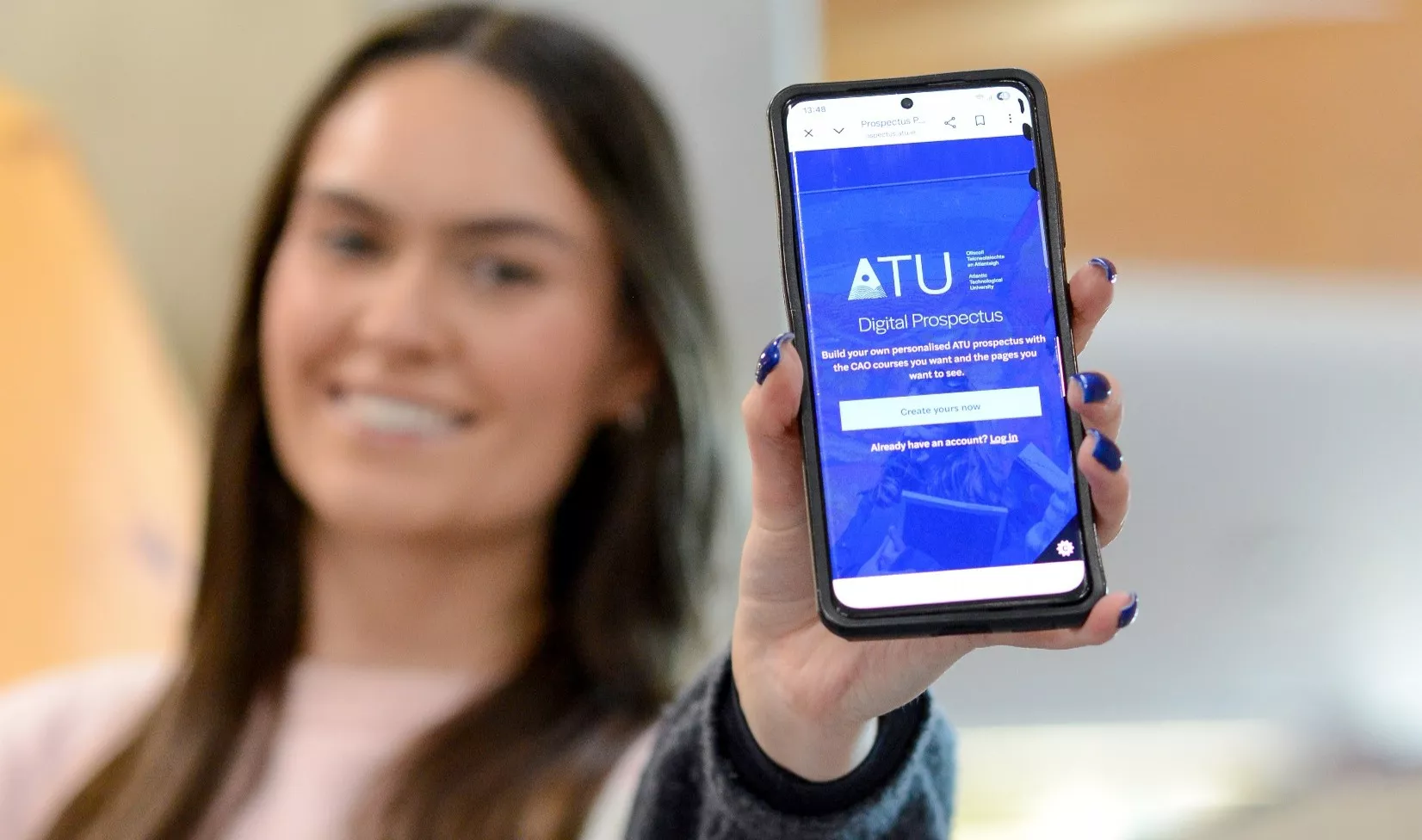
Build Your Prospectus
Explore the courses that interest you with MyATU Prospectus. Choose the courses and information you want to see, then create a personalised prospectus that fits your interests and goals.
Riachtanais Iontrála
| Leaving Certificate Entry Requirement | 6 subjects at O6/H7 which must include: – 2 subjects at H5 – English or Irish at O6/H7 – Maths at O6/H7 |
|---|---|
| QQI/FET Major Award Required | Any |
| Additional QQI/FET/ Requirements | Three Distinctions |
| GCE/ A-level/ GCSE Entry Requirement | 6 distinct recognised GCSE/A-level subjects which must include: 2 A-levels at Grade C and 4 other subjects at GCSE-level Grade C which must include: – English or Irish – and Maths |
Garda Vetting | Entrants to this programme may be required to undergo vetting by An Garda Síochána. |
English Language Requirements | Teaching at ATU is usually conducted in English. Therefore, all applicants are required to demonstrate a high level of competency in the English language. Applicants who are not native English speakers must have an overall average score of no less than 6.5 IELTS (or equivalent), with no individual section score less than 6.0. All results must have been achieved within 2 years of application to ATU. EU/EFTA applicants can click here and Non-EU/EFTA applicants can click here for more information. |
Advanced Entry
Applications are welcome for entry to stage 2 of a programme at ATU, following completion of a cognate QQI FET Level 6 Major award.
Transfers into years two, three or four are also welcome from those who have completed learning in a cognate area in another Higher-Level Institute (HEI).
Applications will open in early 2027.
Testimonial
I found that even though there are thousands of students in ATU and dozens of different courses there was always lecturers, advice, resources and support available when needed. Within my course, the balance of practical based work and theory has given me not only the knowledge but an added advantage to continue and complete my Masters in Exercise and Nutrition. I could not recommend this course enough to someone interested in this line of study.
Gerard Coyle
Táillí
Total Fees EU: €2,500
This annual student contribution charge is subject to change by Government. Additional tuition fees may apply. Click on the link below for more information on fees, grants and scholarships.
Total Fees Non-EU: €13,000
Fees shown are per annum.
Tuilleadh eolais faoi tháillíMaterial Fees
A number of programmes across ATU have material fees associated, which must be paid by students on registration.
Material Fees (PDF) – please note fees may be subject to change
Gairmeacha
The main employers in this space are:
Health and Fitness Clubs
HSE and other National Health Services
Musculoskeletal Therapy & Rehab. Clinic
Professional Sports Clubs
Sports Nat. Gov. Bodies & Institutes
Graduate careers typically include:
Certified Athletic Therapist
Exercise Rehabilitation Instructor
Musculoskeletal Specialist
Sports Rehabilitation Practitioner
Strength & Conditioning Coach.
Further Information
Eolas Teagmhála
Contact cao@atu.ie to find out more about the programme or campus you plan to join.
Contact admissions@atu.ie for enquiries about your application.
For International (Non-EU) enquiries, please contact international.donegal@atu.ie
Contact admissions@atu.ie for enquiries about your application.
For International (Non-EU) enquiries, please contact international.donegal@atu.ie