English
Gaeilge
What does it take to fuel an ultra-endurance runner?
Dr Tansy Ryan shares how ultra-endurance runners make nutrition decisions, from trial and error and gastrointestinal problems to the advice they get from fellow athletes, podcasts and online communities.
Ultra-endurance running places unique nutritional demands on athletes, with races often lasting more than six hours, covering distances beyond a traditional marathon and taking place in challenging terrain and environmental conditions.
For Dr Tansy Ryan, the combination of nutrition, behaviour and endurance sport became the focus of her research at Atlantic Technological University (ATU).
She explored not only what ultra-endurance athletes eat and drink, but how they make nutrition decisions, where they get their information and the practical, psychological and behavioural factors that influence their choices.
What led you to research nutrition and ultra-endurance running?
I completed my undergraduate degree in Public Health Nutrition at Atlantic Technological University (ATU), throughout which I was particularly interested in the relationship between nutrition and human behaviour. I’ve always wondered what drives people to make the food choices they do, and what influences these decisions.
I’ve always enjoyed running. As the distances I ran increased, so too did my curiosity about how distance runners manage the extreme nutritional demands of their sport. As I learned more about ultra-endurance events in particular, I became fascinated by the unique challenges these athletes face.
Following my undergraduate degree, I undertook a Master’s by Research in Nutrition Science, which transitioned into a PhD as the project expanded.
One of the strongest themes that emerged throughout interviewing ultra-endurance runners was their reliance on trial and error.
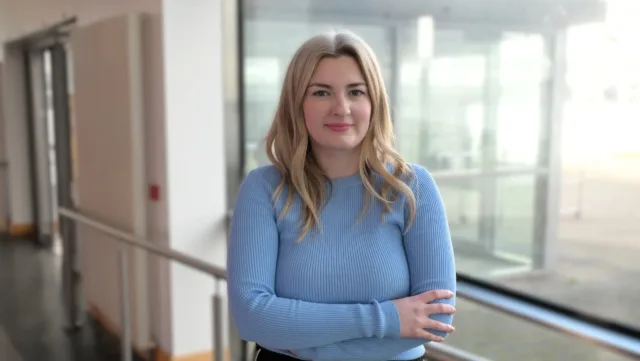
Dr Tansy Ryan

What makes ultra-endurance running different from other sporting disciplines?
There are two definitions for ultra-endurance running events. They may be defined by their distance, further than that of a traditional marathon, or their duration, lasting over six hours.
Exacerbating the challenging nature of these events, they often occur over harsh terrain and in extreme environmental conditions. Additionally, the level of external support varies between events, from having a full crew available to offer foods and beverages, to being completely self-sufficient, whereby an athlete is responsible for carrying all of their own food and equipment.
What gap in the research did you identify?
Exploring the literature, I was surprised by how little research existed on this population. Although sports nutrition recommendations were beginning to emerge, there was very little research exploring the lived experiences of these athletes.
I wanted to understand not only what athletes were eating and drinking, but how they made nutrition decisions, where they sourced information, the challenges they encountered and the factors influencing their dietary practices.
This knowledge could help practitioners in developing recommendations that are not only evidence-based but also practical for athletes to implement.
What did you uncover about gastrointestinal health?
Across six interconnected studies, I examined the nutrition practices, gastrointestinal health, lived experiences, and psychological profiles of ultra-endurance athletes, particularly runners.
Gastrointestinal symptoms, such as nausea, bloating, and stomach cramp, are among the most common problems they experienced.
They can significantly impair performance and are among the leading causes of event dropout.
My systematic review highlighted the range of nutritional strategies that may be used to manage these symptoms, leaving questions as to whether these are actively implemented by ultra-endurance runners.
What did you find when you looked at their nutrition practices?
I investigated carbohydrate beliefs and nutrition practices among Irish ultra-endurance runners. While many athletes recognised the importance of this macronutrient, particularly as a key energy source, their practices varied considerably. This highlighted differences in knowledge, experience and confidence when implementing nutrition strategies.
What did athletes tell you about how they developed their nutrition strategies?
One of the strongest themes that emerged throughout interviewing ultra-endurance runners was their reliance on trial and error.
Very few sought advice from nutrition professionals, relying instead on advice from fellow athletes, podcasts, books, online communities and previous experiences to shape their practices.
Many athletes described experimenting with different foods, fluids and fuelling strategies before finding an approach that worked for them.
These sources can provide practical advice, but risk exposing athletes to conflicting information and non-evidence-based practices, ultimately leaving them at risk of inadequate fuelling, hindered performance, prolonged recovery times, and heightened injury risk.
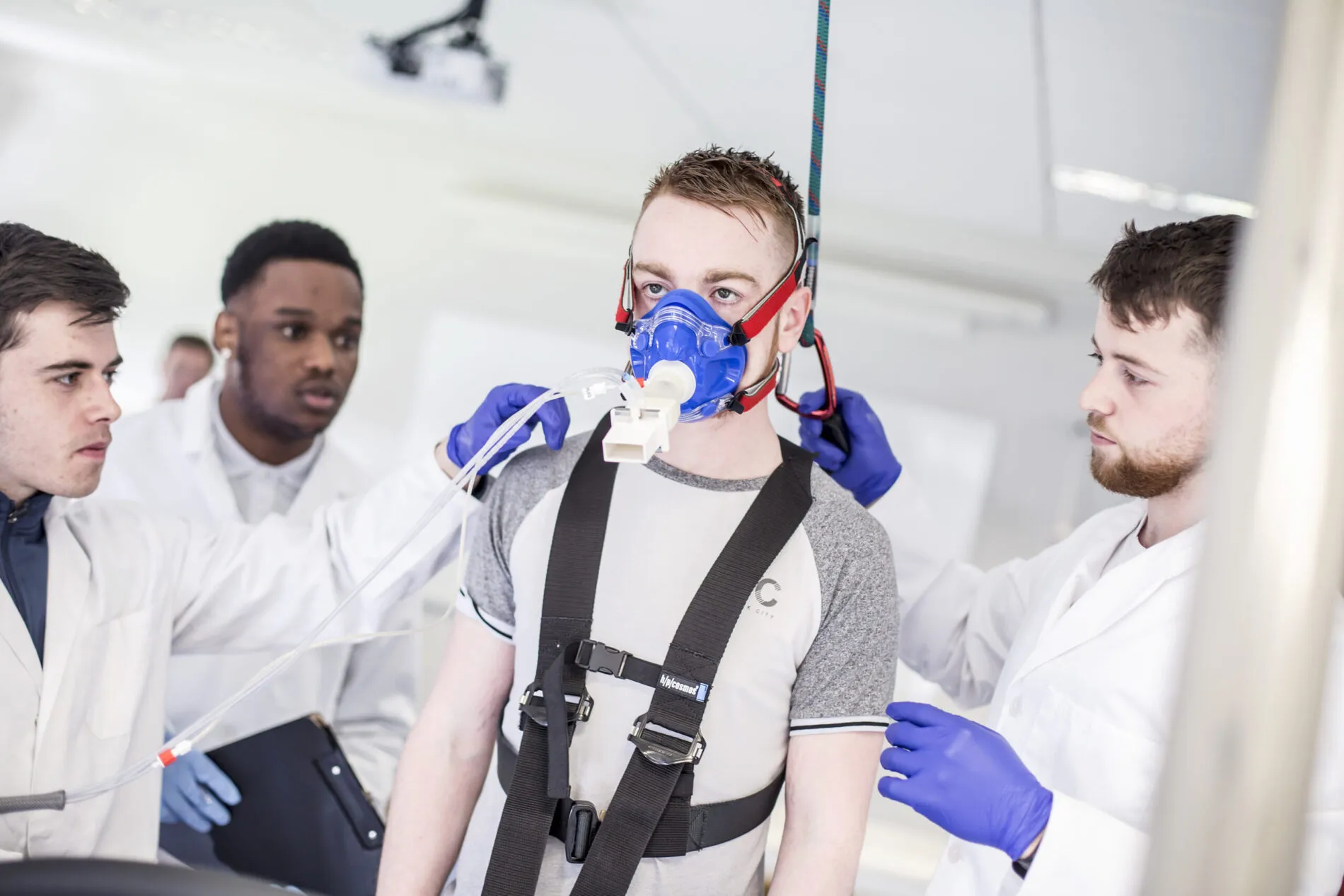
Athletes described becoming reluctant to experiment with new nutrition strategies after previously experiencing GI symptoms, highlighting that improving nutrition practices requires building athletes’ confidence as well as their nutrition knowledge.
What role did previous experiences play in athletes’ nutrition decisions?
Another important finding was the psychological demands of ultra-endurance running, and the influence of these demands on food choice.
Previous negative experiences, particularly gastrointestinal issues during competition, often shaped future approaches.
What were some of the practical barriers athletes faced?
The athletes described having to balance nutritional recommendations with the practical realities of ultra-endurance running.
These included carrying enough food, unpredictable environmental conditions, gastrointestinal tolerances and personal food preferences. The demands of races lasting many hours or days can make it difficult to simply follow a standard nutrition recommendation.
Their experiences highlighted the importance of developing approaches that are not only evidence-based, but also practical for athletes to implement.
What did the qualitative interviews tell you that the quantitative research could not?
The interviews provided rich insights into these athletes’ lived experiences. Hearing their journeys allowed me to understand the realities behind participating in this sport.
Runners openly discussed the challenges of fuelling during races lasting many hours or days, balancing nutritional recommendations with practical constraints such as carrying enough food, unpredictable environmental conditions, gastrointestinal tolerances and personal food preferences.
By listening to athletes’ stories, I gained a much deeper appreciation of the complex factors influencing nutrition behaviours.
Why does this research matter for athletes?
For athletes, improving nutrition practices has the potential to enhance performance, reduce gastrointestinal symptoms, lower the risk of nutrient deficiencies and injury, support recovery and encourage long-term participation in physical activity.
What could these findings mean for coaches, practitioners and nutritionists?
For practitioners, coaches and nutritionists, understanding the barriers and facilitators influencing nutrition behaviours enables supports to become more personalised.
Rather than assuming athletes simply need more information, practitioners can use the insights gained from my research to develop evidence-based, person-centred supports that address the real-world barriers influencing nutrition practices.
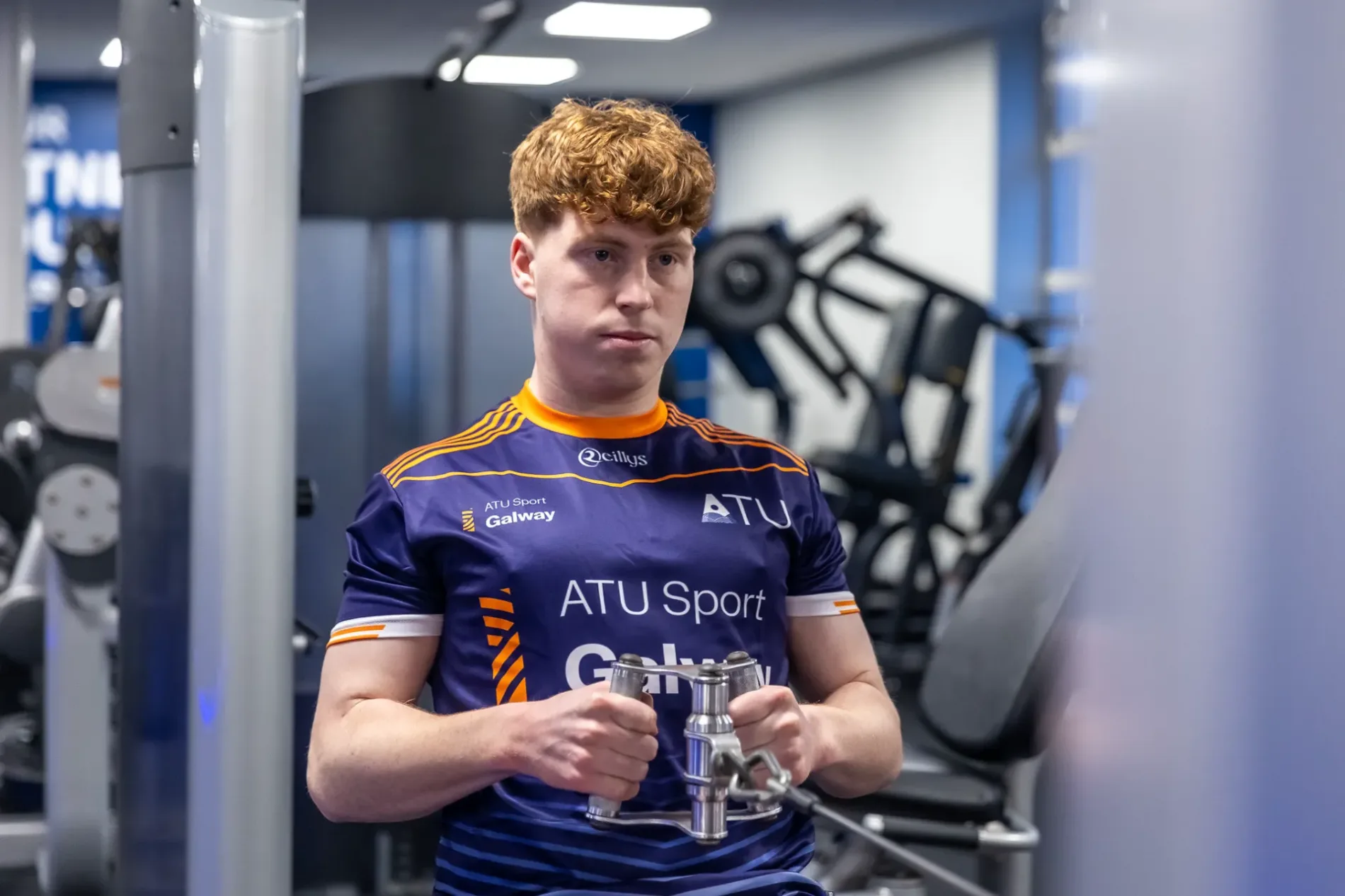
Does this suggest that providing athletes with more information isn’t necessarily enough?
To better understand the factors influencing these athletes’ food choices and practices, I used behaviour change frameworks including the Capability, Opportunity, Motivation-Behaviour (COM-B) model and the Theoretical Domains Framework (TDF).
These frameworks helped identify the barriers and facilitators influencing nutrition practices and demonstrated that improving athlete nutrition requires much more than simply providing information.
Athletes also need individualised support that helps them build their confidence and apply nutrition strategies in real-world situations.
What did completing the PhD teach you about nutrition recommendations?
Completing my PhD reinforced my belief that effective nutrition recommendations must take a holistic approach, considering both the evidence-base and an individual’s lived experiences.
Understanding physiology is essential, but it must be considered alongside the behavioural, psychological and practical factors that influence nutrition choices.
Ultimately, I hope that my research contributes to improving the health, performance and long-term wellbeing of ultra-endurance athletes.
“Hearing their journeys allowed me to understand the realities behind participating in this sport.”

This interview is based on the ATU Policy Brief No 15, Fuelling the Distance: Improving Nutrition Practices in Ultra-Endurance Runners, drawing on peer-reviewed research by Dr Tansy Ryan.
For media enquiries, contact:
Jorden McMenamin
Communications Officer
Tel: 074 918 6127
E: jorden.mcmenamin@atu.ie
RISE@ATU is co-funded by the Government of Ireland and the European Union through the ERDF Northern and Western Regional Programme 2021-27.