English
Gaeilge
When period pain becomes a workplace issue
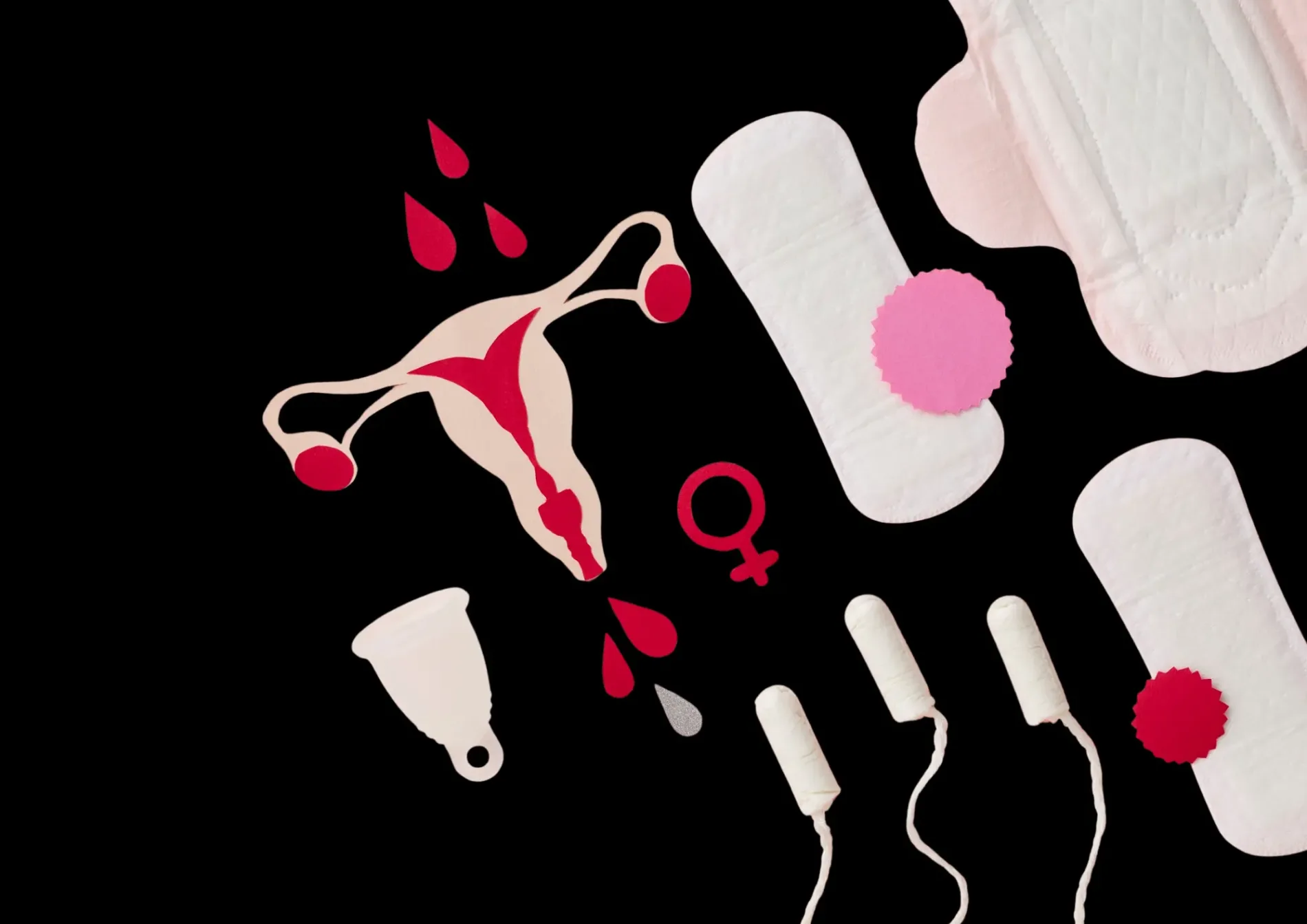
Menstrual symptoms are something many people deal with quietly, yet it influences daily life, wellbeing, and participation in work and education.
By Anne Donnelly
Period pain is costing Irish workplaces more than many realise, with emerging research indicating that menstrual symptoms may lead to the loss of nearly nine working days per person every year.
At Atlantic Technological University, PhD researcher Rebecca Tarpey is working to change that.
Her research explores practical, low-cost ways to help people manage menstrual symptoms, especially those who may not have easy access to specialist care.
What evidence already exists on how menstrual symptoms impact the workplace?
A Dutch population-based study of over 32,000 women found menstrual-related symptoms affected an average of 8.9 working days per year, primarily due to presenteeism (Schoep et al., 2019). In Ireland, a 2022 survey by Fórsa reported that over 70% of women had taken time off work due to menstrual pain, with many feeling uncomfortable disclosing the reason. Globally, dysmenorrhoea affects an estimated ~70% of people who menstruate, with many reporting moderate to severe pain (De Arruda et al., 2025).
How do menstrual cycle symptoms affect daily life?
Menstrual cycle symptoms can impact a woman’s work and academic performance, physical activity and sport participation, sleep, energy, concentration, mood and their social engagement. Many people keep going despite uncomfortable symptoms, which means the impact isn’t always visible, but it is still very real.
My research focuses on practical strategies that people can realistically use day to day, particularly where access to specialist care is limited.
Rebecca Tarpey, PhD researcher
What are the main barriers to menstrual care?
There are several challenges including:
- Long waiting times for gynaecological services
- Normalisation or dismissal of menstrual pain
- Limited access to menstrual health education
- Financial barriers to supplements, therapies, or consultations
- Lack of clear guidance on non-clinical management strategies
As a result, many individuals manage symptoms independently, often without reliable or evidence-based information.
How does underfunding affect menstrual health research in Ireland?
Women’s health research in Ireland has historically been underfunded, with medical bodies including the Royal College of Surgeons in Ireland (RCSI) stating that reproductive and menstrual health conditions remain poorly researched locally. This has contributed to gaps in Irish-specific data, limited intervention studies, and slow translation of evidence into practice.
How does your research help address those gaps?
My work looks at non-clinical, evidence informed self-management strategies that can be used without specialist referral. These are accessible, low-cost approaches that fit into everyday life, whether in work, sport, or daily routines. By taking international evidence and turning it into practical, easy to use guidance, the goal is to help people who may find it hard to access medical or specialist care.

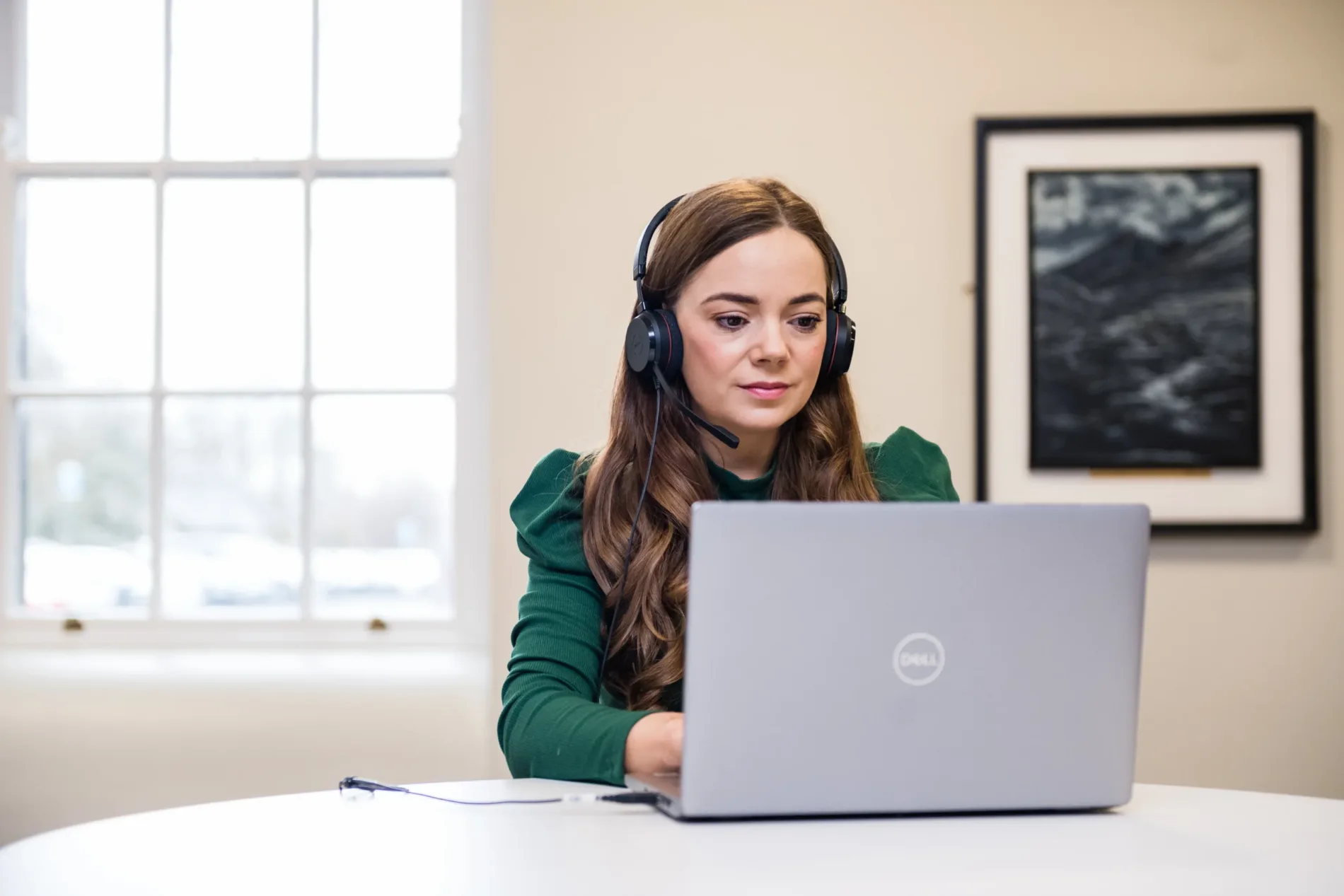
In Ireland, a 2022 survey by Fórsa reported that over 70% of women had taken time off work due to menstrual pain, with many feeling uncomfortable disclosing the reason.
What self-management strategies show the most promise?
From the research so far, the most consistently effective approaches include regular physical activity, particularly low-to-moderate intensity exercise; adequate nutrition and energy intake, and targeted supplementation, where deficiencies are present.
In one controlled clinical study, women with PMS took 250 mg of magnesium every day for two menstrual cycles, and their symptoms improved by about 59%.
They reported feeling better overall, with improvements in mood, anxiety, nausea, and back pain.
These approaches are not cures, but when used appropriately, they may help reduce symptom burden and support quality of life and daily functioning.
Why does evidence-informed self-management matter?
Good evidence-based self-management can improve quality of life and daily functioning, reduce hidden productivity losses and support participation without relying solely on medical or leave-based solutions.
I hope that my research will help bridge the gap between scientific evidence and everyday needs, supporting better education, workplace practices, and future policy development.
How can research make a difference for women in workplaces and daily life?
Research helps make menstrual health visible, measurable, and actionable.
International evidence shows that menstrual symptoms affect daily functioning and work participation, yet they are rarely captured in workplace policy or occupational health frameworks.
By identifying effective, low-cost management strategies, research can support prevention, flexibility, and informed workplace supports, rather than relying solely on medical treatment or leave-based solutions.
This research is funded under RISE@ATU with supervision by Dr Ken VanSomeren and Dr Laura Keaver. RISE@ATU is co-funded by the Government of Ireland and the European Union through the ERDF Northern and Western Regional Programme 2021-27.
About Rebecca Tarpey
Rebecca Tarpey is currently completing a PhD in the Department of Sport, Exercise and Nutrition at ATU Galway. Her doctoral research, titled “Management of Menstrual Cycle Symptomology for Quality of Life and Health,” focuses on identifying practical, non-clinical self-management strategies to support individuals experiencing menstrual-related symptoms.
For media enquiries, contact:
Jorden McMenamin
Communications Officer
Tel: 074 918 6127
E: jorden.mcmenamin@atu.ie
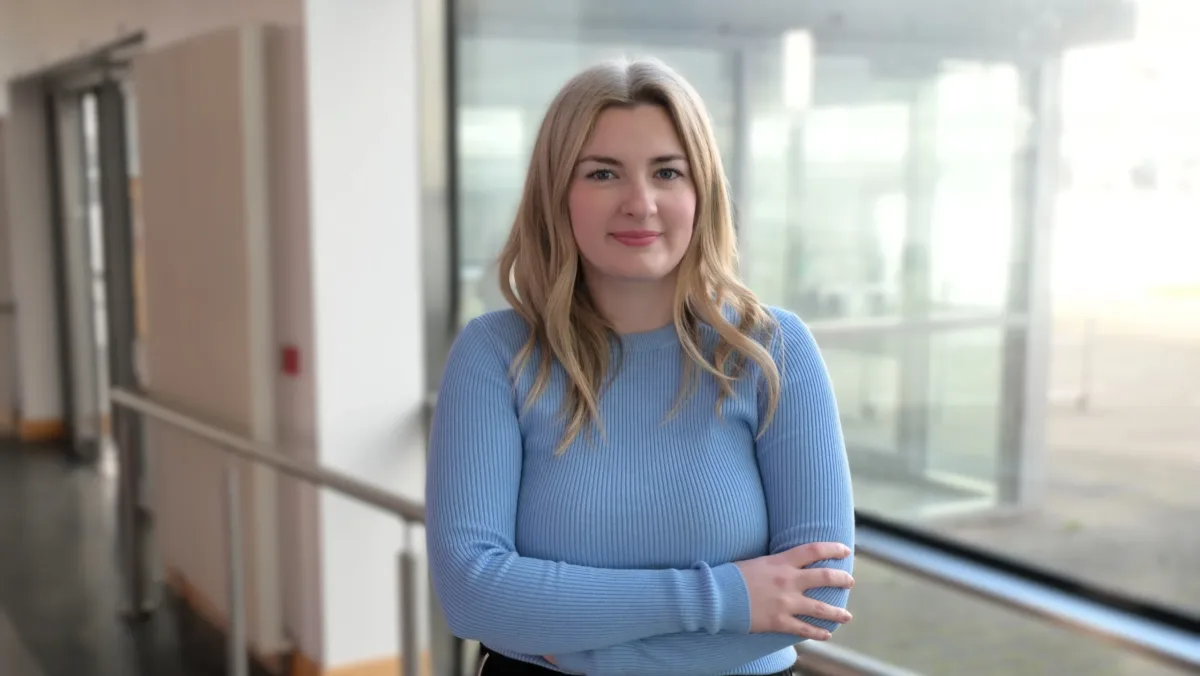
Featured Image: PhD researcher Rebecca Tarpey at Atlantic Technological University.