English
Gaeilge
A new era for veterinary education
“As Ireland’s newest veterinary school, we have the opportunity to build something genuinely distinctive.”
By Prof Patrick Pollock
Veterinary medicine stands at a pivotal moment. The profession faces unprecedented demand for veterinary services, alongside workforce shortages across both companion and production animal practice.
It is also experiencing increasing expectations around animal welfare and sustainability, rapid advances in technology, and an expanding role in public health and One Health. At the same time, veterinary professionals are being asked to balance clinical excellence with business leadership, communication, and wellbeing.
These challenges also represent extraordinary opportunities.
Our vision has always been that veterinary education should be developed alongside the profession rather than in isolation from it.”
Prof Patrick Pollock
Built in partnership with the profession
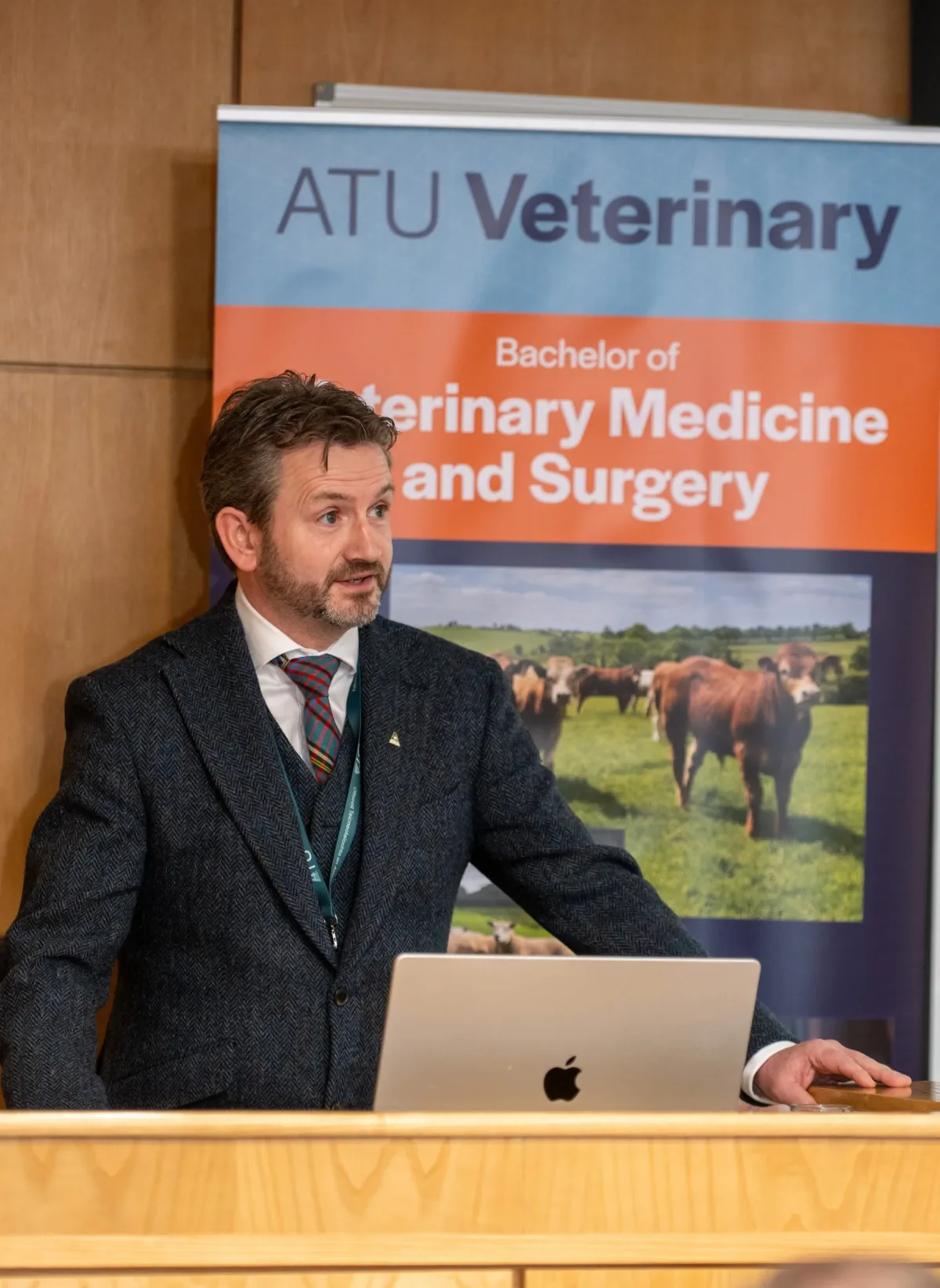
The establishment of the School of Veterinary Medicine and One Health at Atlantic Technological University is the first opportunity in more than a century to design a veterinary programme for the profession of tomorrow rather than simply replicate the models of yesterday.
From the outset, our ambition has been to create a school that is deeply connected to industry, informed by research and innovation, and committed to producing graduates equipped to thrive in an increasingly complex world.
Across much of the world, veterinary education has remained relatively unchanged for decades despite profound changes in society, agriculture, technology and healthcare.
Our vision has always been that veterinary education should be developed alongside the profession rather than in isolation from it.
Industry partners, veterinary practices, referral hospitals, livestock organisations, government agencies and professional bodies have all contributed to shaping the new Bachelor of Veterinary Medicine and Surgery at ATU.
These partnerships ensure our teaching reflects contemporary practice while allowing research questions to emerge directly from real-world clinical and agricultural challenges.
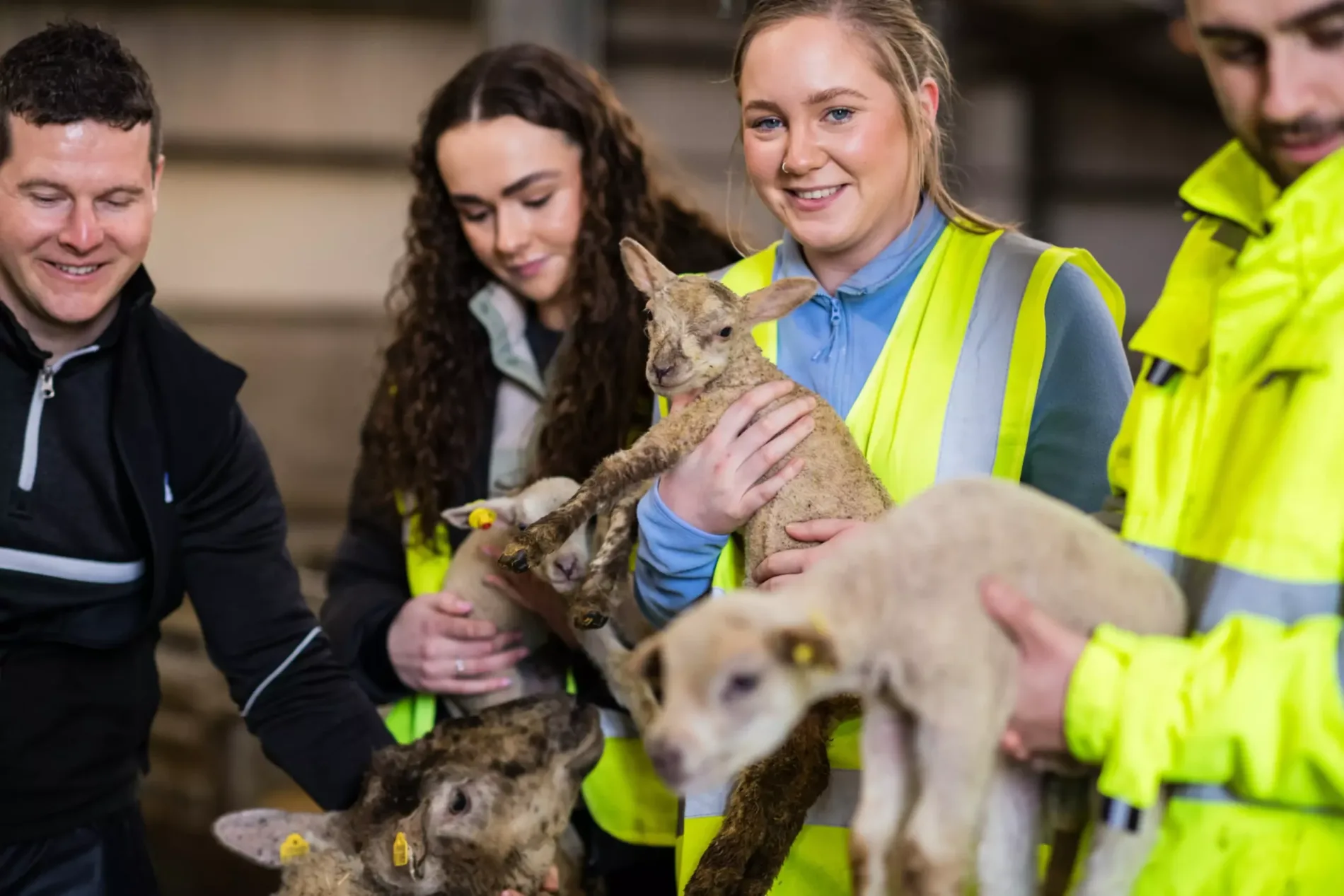
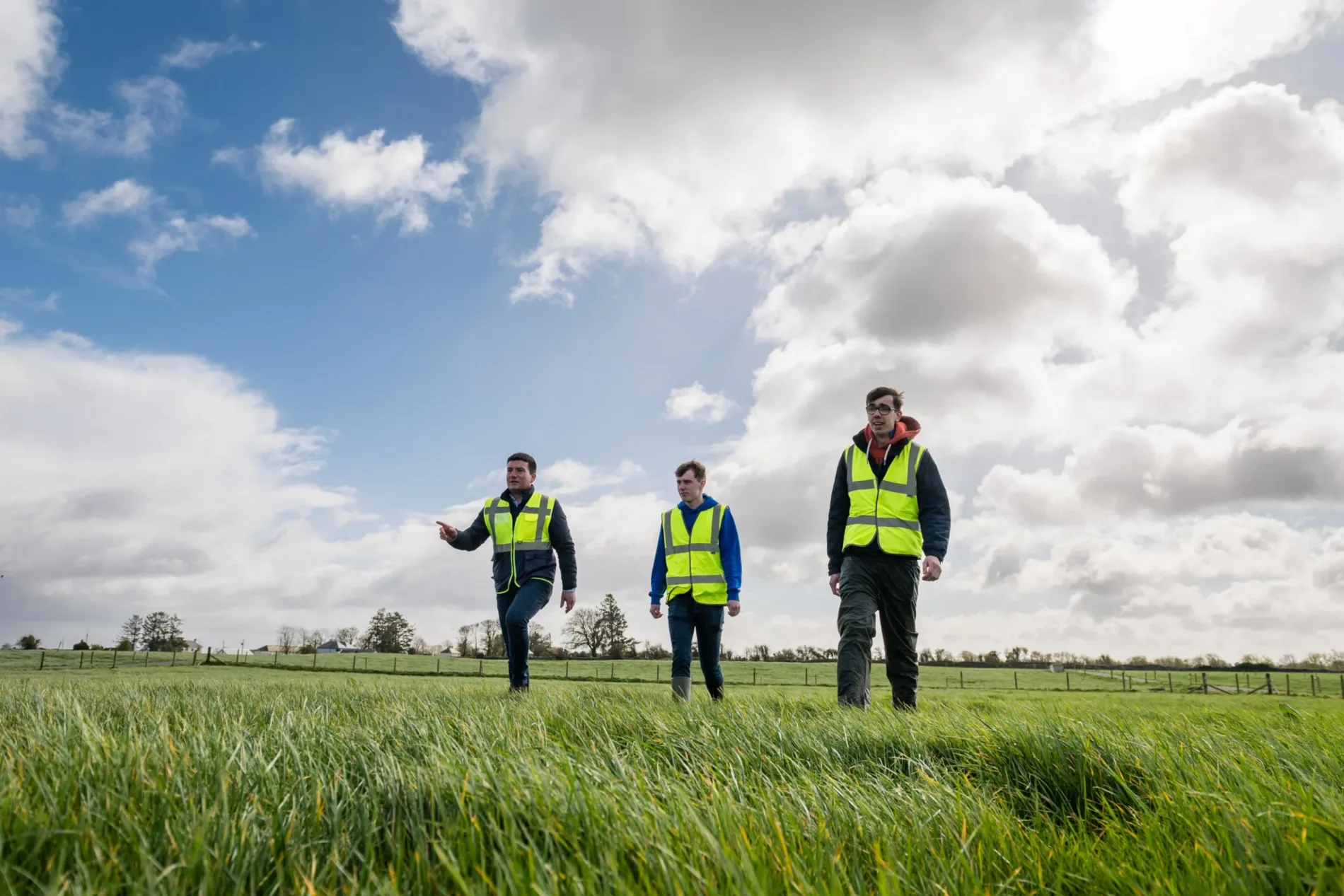
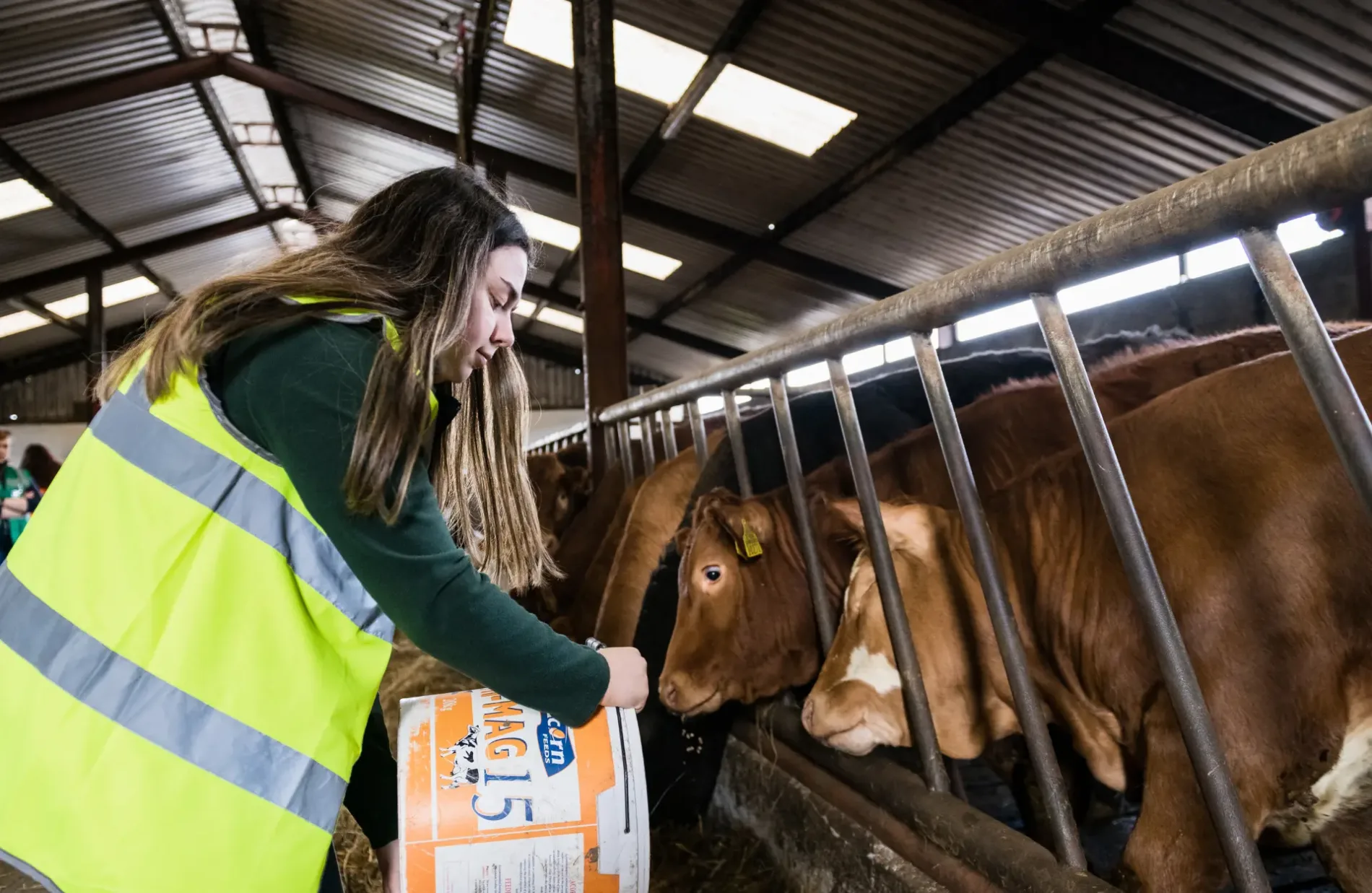
Our distributed model of clinical education is particularly important. Students will learn across a network of veterinary practices, referral hospitals and farms throughout Ireland, providing exposure to diverse caseloads while strengthening links between the university and the profession it serves.
This collaborative approach benefits everyone involved. Students experience authentic clinical environments, practices become active partners in education and research, and the wider profession contributes directly to developing its future workforce.
Research, innovation and rural impact
Our research is driven by a desire to improve outcomes for animals, veterinary professionals and society. Our work spans companion animal medicine, equine surgery, herd health, production animal systems, simulation, educational research, artificial intelligence (AI), disaster medicine, rural and remote veterinary practice, sustainability and One Health.
One area of interest is simulation-based veterinary education. By combining advanced simulation with structured feedback and deliberate practice, students can develop confidence and competence before entering clinical practice. This improves educational outcomes while supporting both patient safety and animal welfare.
The School of Veterinary Medicine and One Health is also committed to developing research that addresses the needs of rural communities. Remote and rural veterinary medicine, emergency preparedness, livestock resilience and sustainable food production are areas of growing international importance where Ireland is exceptionally well placed to make a meaningful contribution.
Preparing veterinarians for the future
The next decade will transform veterinary medicine. AI will support diagnosis and clinical decision-making. Precision livestock technologies will change herd management. Genomics and precision medicine will continue to expand. Data science will increasingly inform population health, disease surveillance and preventative healthcare. Advances in vaccines, biotechnology and digital health will reshape both companion animal and farm animal practice.
Future veterinarians will require adaptability, emotional intelligence, leadership and lifelong learning to navigate an increasingly complex profession. That is why research into veterinary education itself is becoming so important. Understanding how students learn, how resilience can be developed, how simulation improves clinical competence and how technology can enhance rather than replace human decision-making will be fundamental to the future of the profession.
Our ambition over the coming years is to establish ATU as an internationally recognised centre for veterinary education, research and innovation. Ultimately, veterinary medicine has always been about solving complex problems in partnership with others.
That philosophy lies at the heart of the School of Veterinary Medicine and One Health.