English
Gaeilge
“The sea can be calm, but it can also be brutal”: What we’re overlooking beneath the ocean floor
New research is helping improve how we monitor the health of Irish seas.
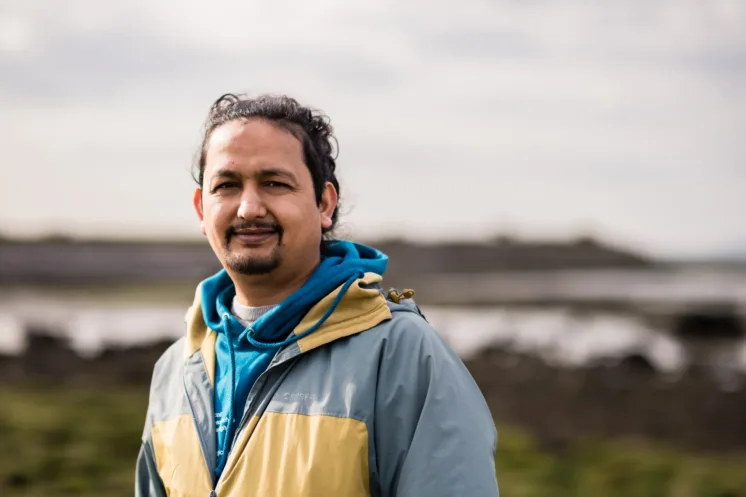
For marine biologist Manojkumar Chand at Atlantic Technological University (ATU), the sea has always represented both wonder and warning.
“When I think about the diversity of marine life, I am struck by both its calmness and its potential for anger”, he shares.
This duality can be inspiring but also brutal, especially when we consider the pressures that human behavior places on these ecosystems.
Manojkumar did not grow up by the sea. Coming from a mountainous country, he initially studied terrestrial ecosystems before deciding to pursue a new academic path in coastal ecology:
“I have always dreamed of learning about the ocean ecosystem. This passion has guided me on my journey towards coastal exploration”.
He previously spent time in southern Norway and the fjords of Sandnesfjord.
“Although my background was initially rooted in terrestrial and mountain diversity, I embarked on a new academic path focused on coastal ecology in Norway and later continued my studies in Ireland”, he adds.
The study produced the first comprehensive assessment of benthic communities in Sandnesfjord, contributing valuable information about their structuring along the uncontaminated fjords.
Fieldwork there took place aboard the research vessel RV TERNA in collaboration with the University of Agder (UiA) and the Norwegian Institute for Water Research (NIVA).
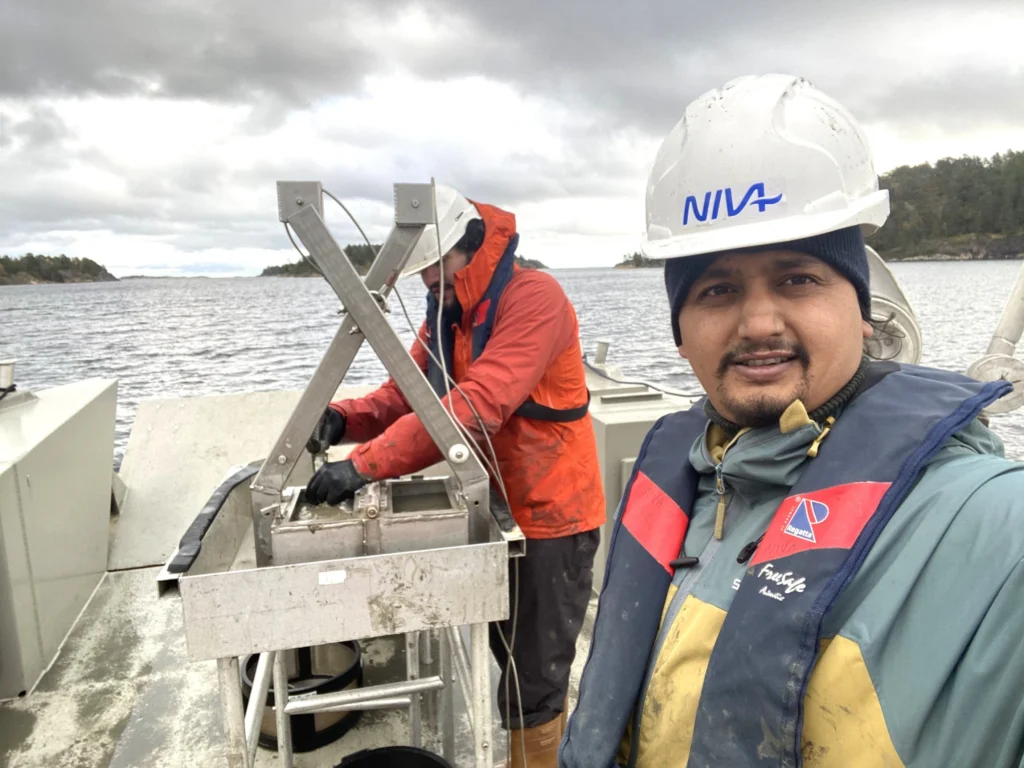
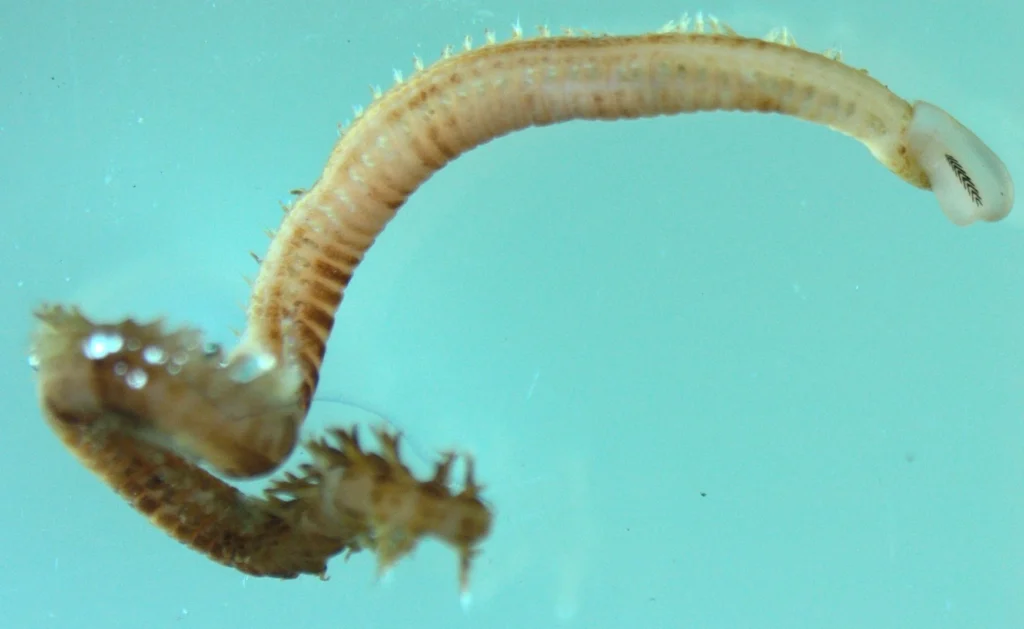
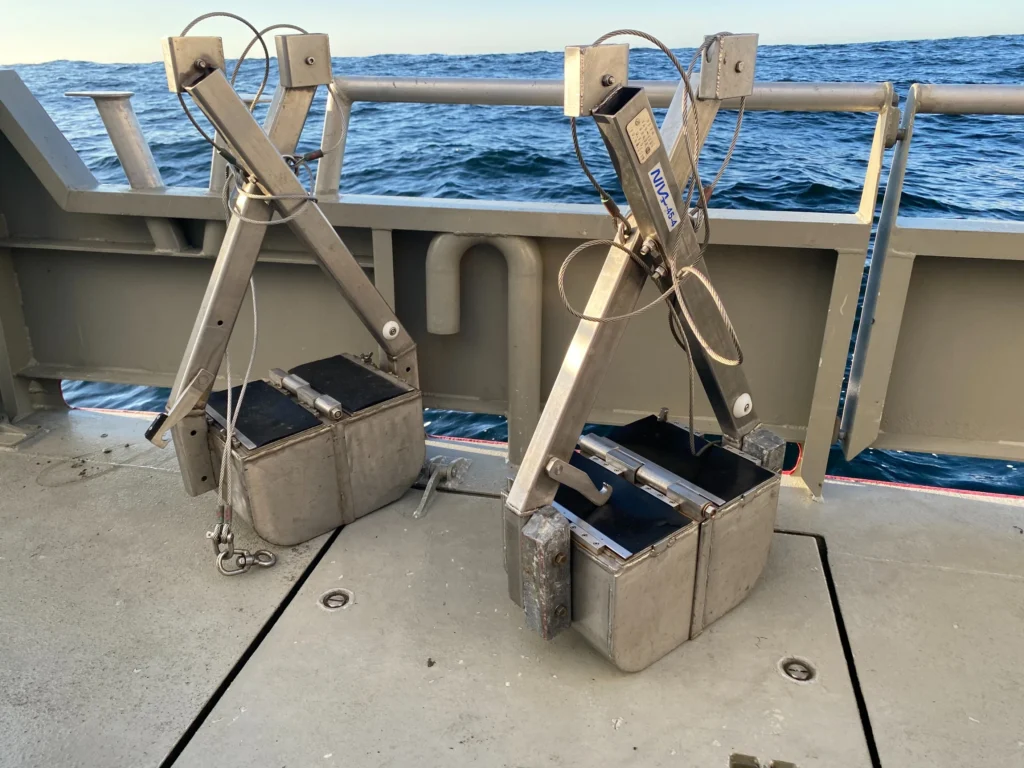
Manojkumar helped collect and process sediment samples, identify marine invertebrates and analyse how species changed along the fjord–coast gradient.
The experience left a lasting impression.
“If you feel a strong desire to learn something, take the time to explore your interests,” he says. “You will ultimately discover your destination.”
That destination is now Ireland.
Today, his research at ATU focuses on a simple but powerful idea: if we want to understand the health of our seas, we need to look beneath the surface.
He studies benthic fauna — animals that live on or in the seafloor. These include worms, shellfish and crustaceans living within seabed sediments.
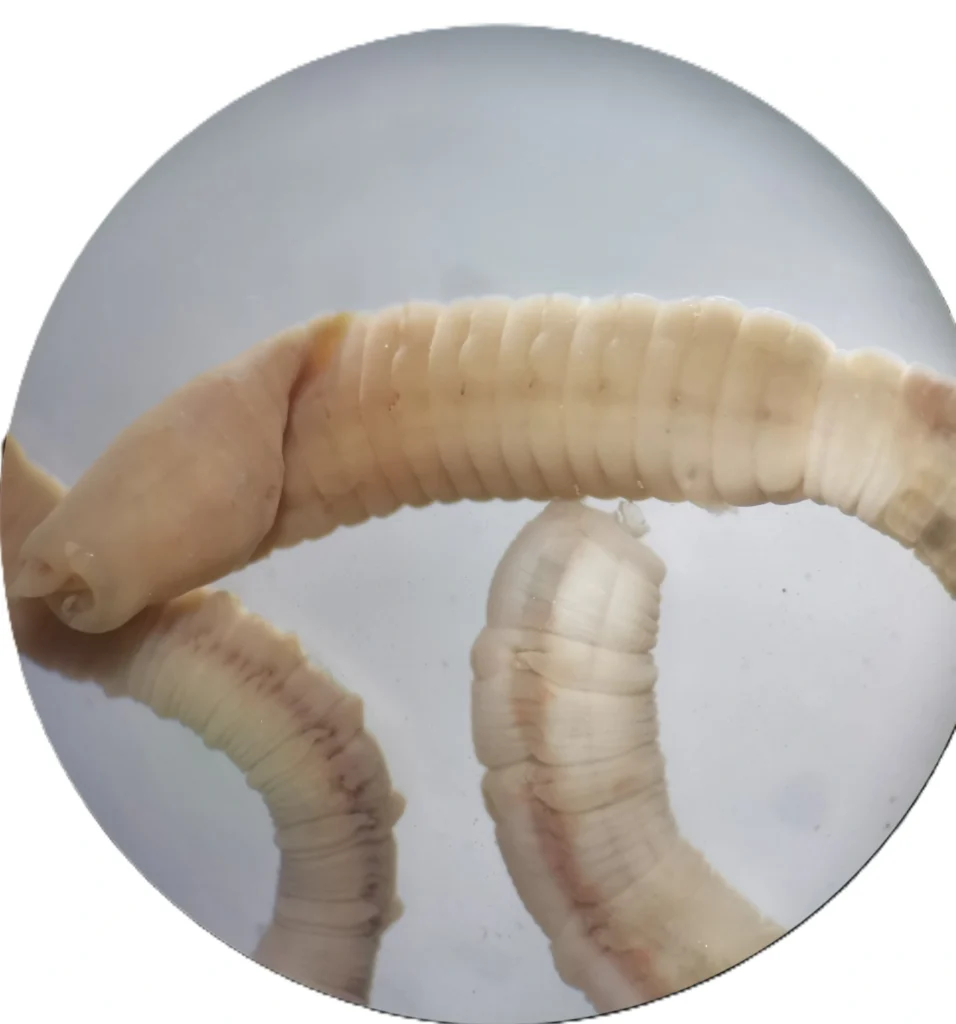
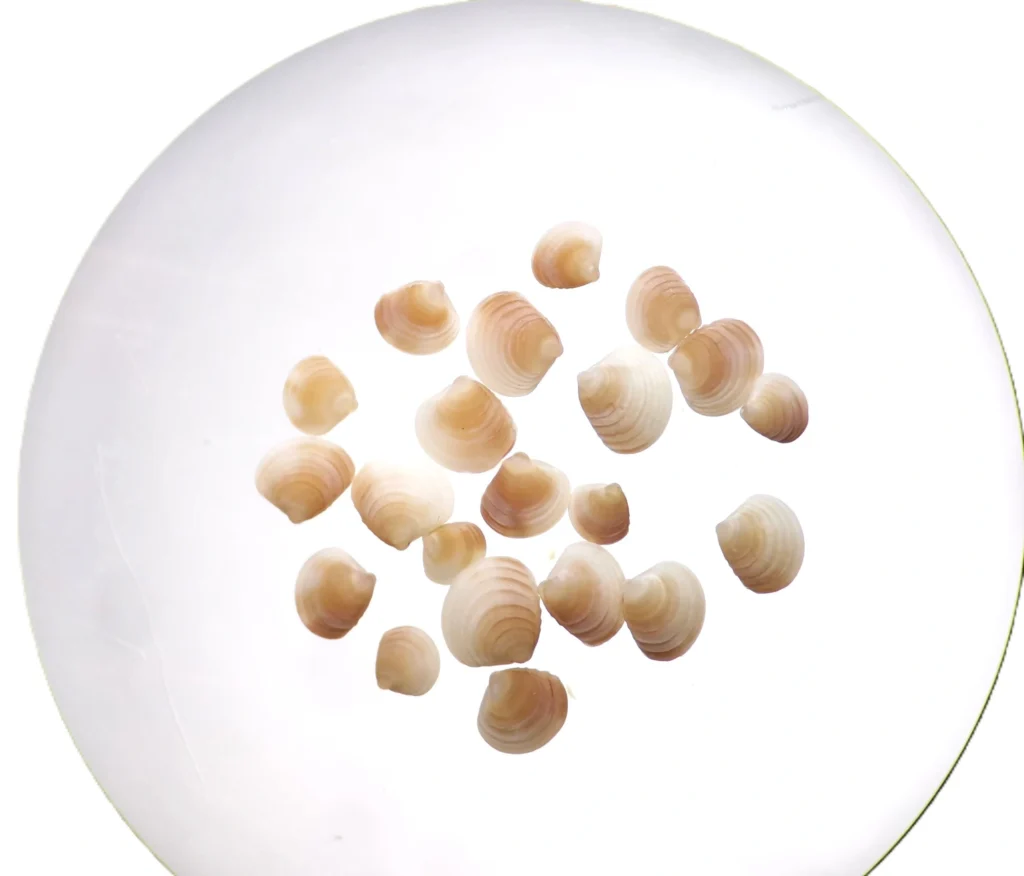
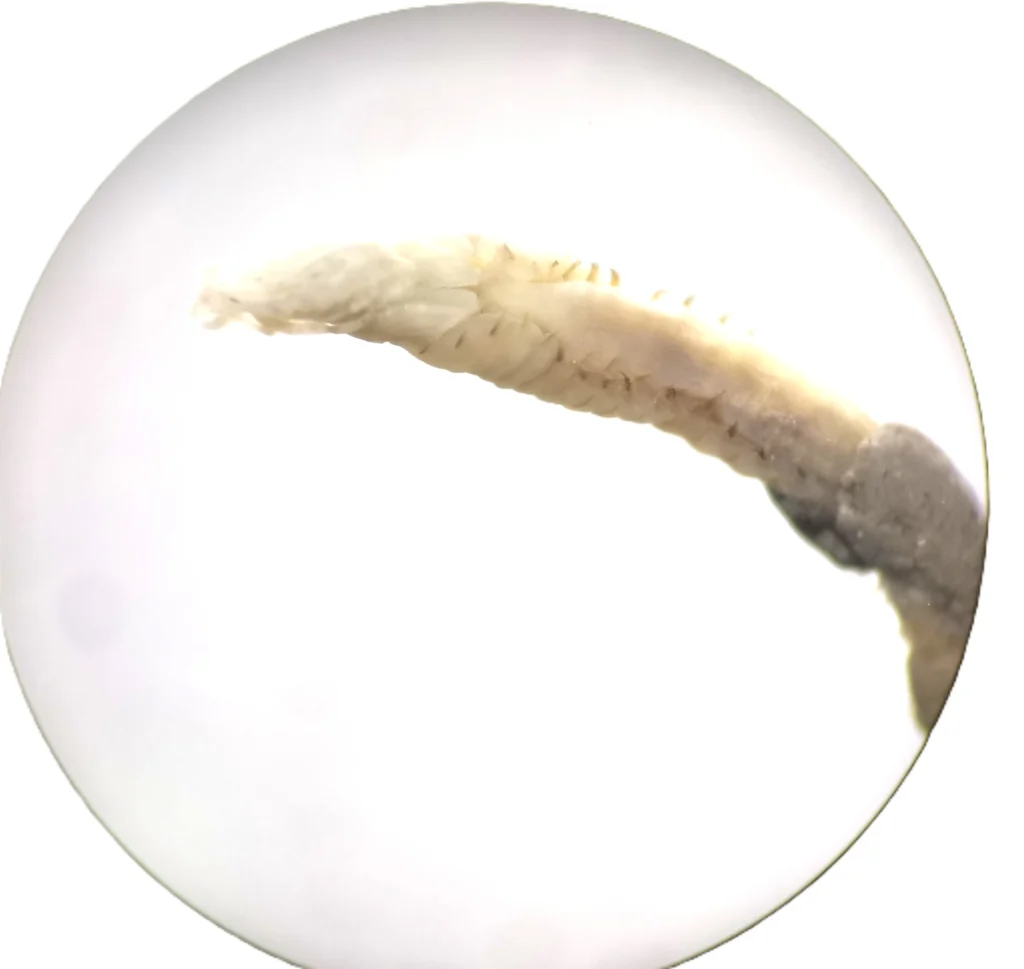
Though rarely seen, these organisms respond to human pressures such as pollution, nutrient runoff and shipping activity. Because of this, they act as early warning signs of environmental change.
By studying seabed communities, scientists can tell whether coastal waters are under stress.
This involves using datasets collected by the National Parks and Wildlife Service from Ireland’s Marine Protected Areas and Special Protection Areas. The aim is to develop biotope (habitat) maps that describe the benthic communities and help to assess water quality across Ireland’s coastal and transitional waters.
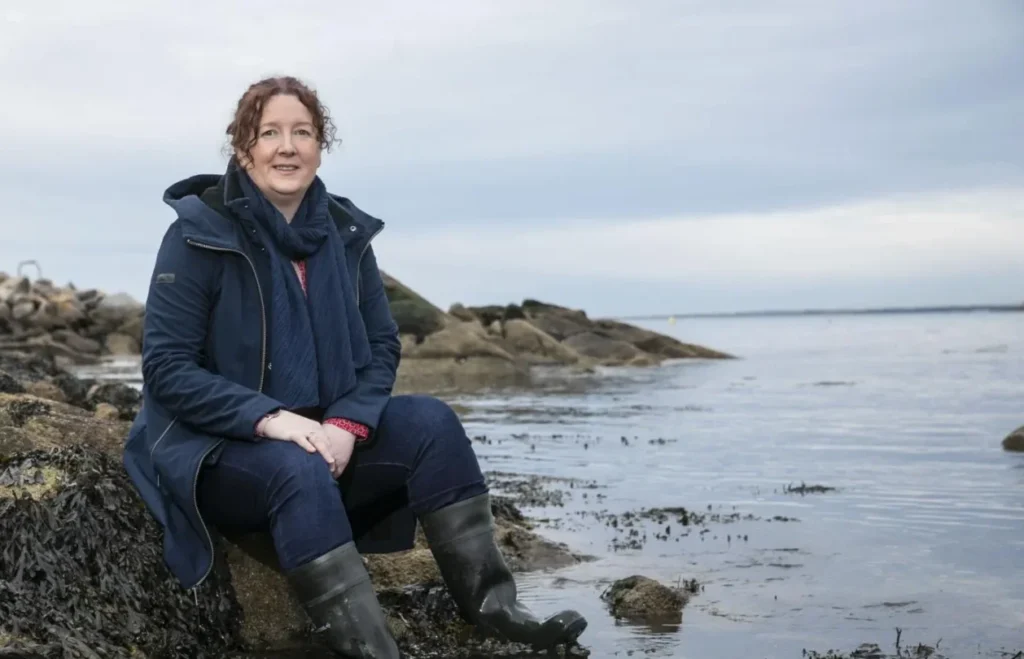
“The most important parts of the ocean are often the least visible, studying and monitoring benthic ecosystems allows us to understand and protect what we cannot see,” shares lead supervisor, Dr Roisin Nash.
As many pollutants are aquaphobic they will attach to sediments. As these organisms live in close contact with sediments, they are forced to respond to pressures such as nutrient enrichment, chemical pollution, dredging and shipping.
Organisms will either leave the area if they are mobile or in extreme cases, they will not survive. Impacted sediments will attract new organisms that strive in these conditions and can be used as indicator organisms and communities.
Their presence, or absence, provides a long-term record of environmental changes where once off water sampling cannot capture”, explains Manojkumar.
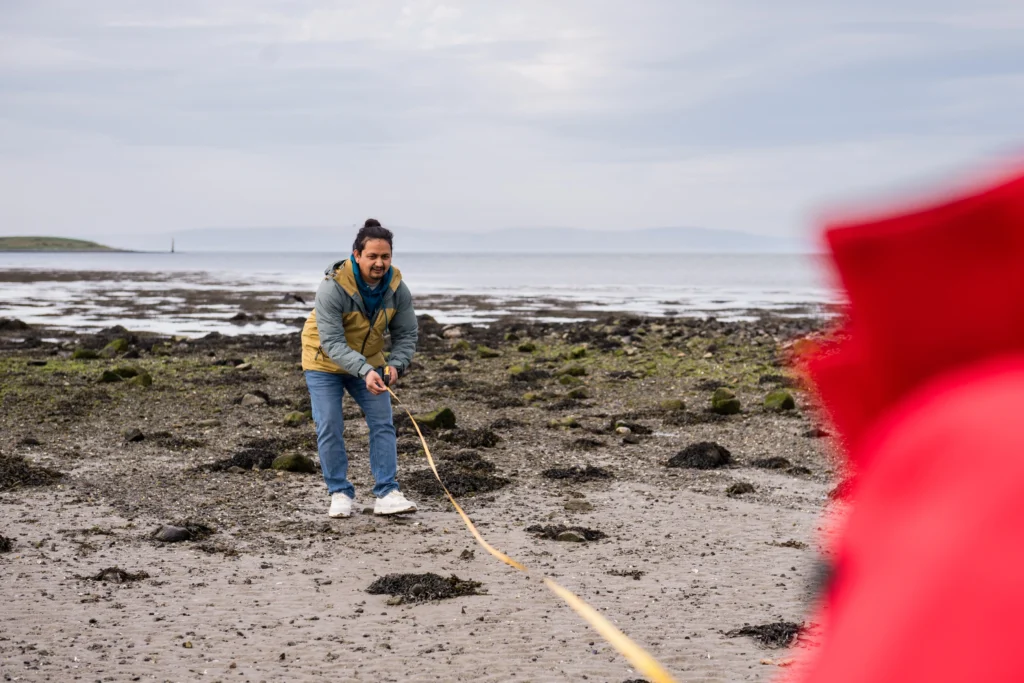
He recently began an enterprise placement at the marine research consultancy, Aquafact International Services Ltd., in Galway. where he is processing marine sediment to identify the invertebrate communities at various aquaculture sites and wind farm locations across Ireland.
The crucial part to his work could impact some of Ireland’s biggest economic drivers:
“Healthy seabed ecosystems support fisheries, protect biodiversity and help maintain overall ocean health”, Manojkumar explains.
Yet the seabed is often out of sight and overlooked in public discussions about marine management, he adds.
This research aims to adapt the Infaunal Quality Index (IQI) , a tool used to assess ecological status based on seabed communities for Irish benthic habitats. Improving how this index works in Irish conditions will strengthen the country’s water-quality monitoring system.
To help assess this Manojkumar has collected new sediment samples from southern coastal and offshore areas aligned with the South DMAP area as part of a Marine Institute led cruise SCOOP.
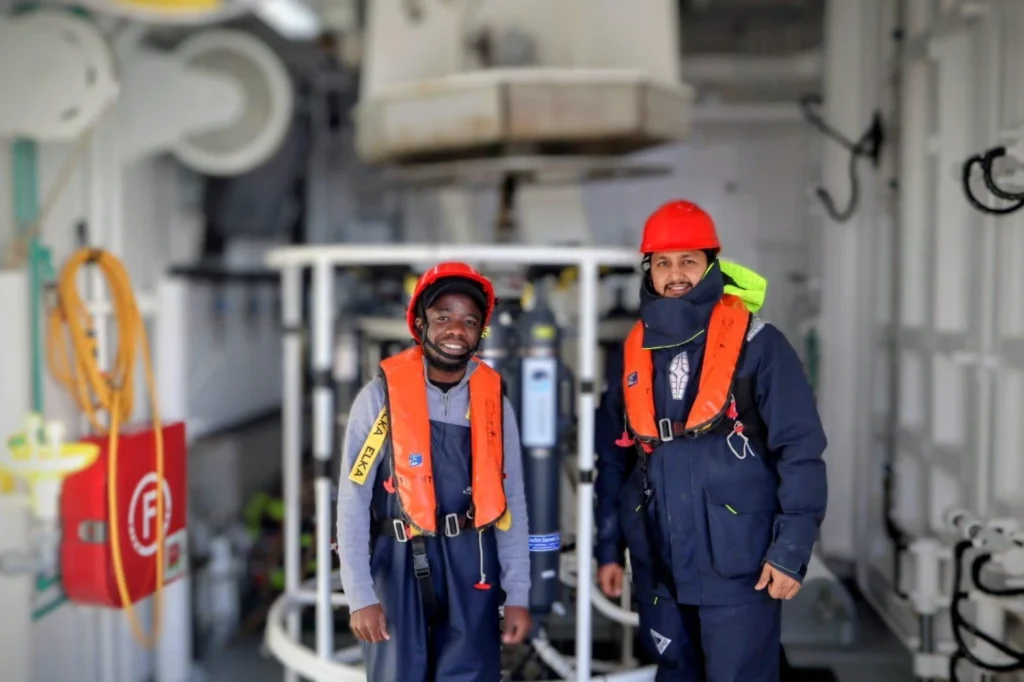
For his research, “these samples will help elucidate some discrepancies with the IQI and Irish offshore coarse sediments and improve the monitoring of offshore wind farms”.
Healthy oceans are not guaranteed. They depend on informed decisions, high quality data and sustained long-term monitoring.
Understanding what lives below the surface, Manojkumar believes, is essential to protecting the future of the waters above it.
This research is funded under RISE@ATU with supervision by Dr Róisín Nash, Dr Bob Kennedy, and Dr Nicolas Touzet. RISE@ATU is co-funded by the Government of Ireland and the European Union through the ERDF Northern and Western Regional Programme 2021-27.
About Manojkumar Chand
Manojkumar Chand is a PhD researcher in marine biology at Atlantic Technological University, Galway. His research focuses on seabed communities and how biological indicators can be adapted to better reflect Irish coastal and transitional habitats under the Water Framework Directive (WFD). Manojkumar’s work centres on improving the Infaunal Quality Index to strengthen marine water-quality monitoring and support sustainable management of Ireland’s seas.
Featured Image: Manojkumar Chand, PhD researcher at ATU. Photo by Conor Doherty
For media enquiries, contact:
Jorden McMenamin
Communications Officer
Tel: 074 918 6127
E: jorden.mcmenamin@atu.ie