English
Gaeilge
One million people work from home in Ireland, but can we ‘manage’ the change?
New research led by ATU researcher Neil Farren investigates why managers may be the ones under the most pressure

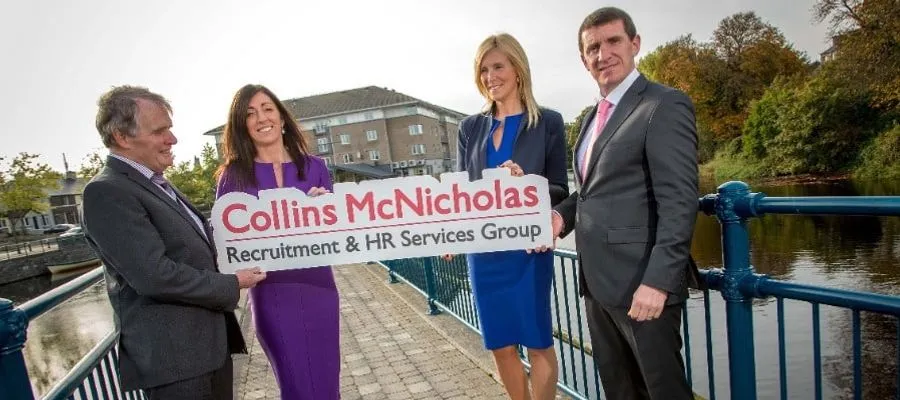
Research led by PhD student Neil Farren at Atlantic Technological University (ATU), and conducted in partnership with recruitment and HR services group, Collins McNicholas, explores how managers are navigating the shift to hybrid work and what supports they need to lead teams effectively.
According to the Central Statistics Office, almost 20% of Irish workers worked from home for at least half of their working time in 2024, compared with an EU average of 8.9% (Eurostat, 2026).
By the end of 2025, the CSO Labour Force Survey suggests around 34% of the Irish workforce worked from home at least some of the time, representing close to one million people.
Flexible working has also become a major factor in career decisions. A national survey by the Western Development Commission (WDC) found that more than 90% of workers say remote or hybrid work influences their decision to change jobs.
With hybrid and remote work now firmly embedded in Ireland’s labour market, managers play a crucial role in shaping employee experience.
‘Employers need expert supports to make the transition to remote’
Most of the research on remote work to date has focused on employee outcomes, including work-life balance, travel behaviours, and productivity.

“Hybrid work is becoming a de facto standard work arrangement, but effective management of hybrid teams is not,” says Neil Farren, a PhD researcher at ATU.
Struggles within leadership and the need to adapt managerial practices remain comparatively under-explored.
From The IDEAS Podcast, Neil Farren talks reshaping remote working
“While employees’ needs, challenges, performance, and well-being dominate discussions, far less attention has been paid to the people tasked with orchestrating this new world of work on the ground: managers”, he adds.
Tracy Keogh, co-founder and chair of Grow Remote, noted that employers need “expert supports to make the transition to remote” at a recent Joint Oireachtas Committee meeting.
Similar concerns have been raised internationally.
A recent House of Lords committee on home-based working in the UK echoed this issue noting that “management is key to making a success of remote or hybrid working”. A clear warning showed that the UK workforce also lacks the necessary management skills due to under-investment in management training.
Hybrid work is not just a structural shift; it is a leadership shift
Neil’s collaboration with Collins McNicholas aims to show how remote working can offer immense potential for developing the West and Northwest region.
“Our collaboration with ATU can highlight practical supports for managers to make remote work delivery on its potential for our region.” says Niall Murray, Managing Director of Collins McNicholas.
But this requires a new type of work order:
Organisations that invest in managerial capability and digital support will be the ones that thrive in the new world of work”, explains Niall.
Early insights from Neil’s research highlight several challenges managers face when leading hybrid teams.
“Our initial work shows a persistent employee‑centric focus in the research.”
In Ireland, one of Europe’s remote‑work leaders”, Neil shares, “the real potential is through training interventions and digital innovations that help managers lead hybrid teams with clarity, fairness, and trust.”
“Remote and hybrid models are central to attracting and retaining talent, but continued success depends on ensuring leaders can confidently manage distributed teams”.
“Our collaboration with ATU can highlight practical supports for managers to make remote work delivery on its potential for our region”, he adds.
Research suggests that managers should avoid the trap of monitoring tools which can erode trust. Instead, managers should support team members to work autonomously, encourage appropriate home office setups, and provide advice on boundary management techniques
Remote work can also limit the informal interactions that support collaboration and knowledge sharing. Managers need to be more deliberate about how teams interact and how in-person time is used.
These actions can be developed with investments in infrastructure, skills training, and agreements of norms and processes that foster creativity and open communication networks.
Remote working has the potential to be transformative for rural Ireland
For Allan Mulrooney, CEO of the Western Development Commission, remote and hybrid working are central to Ireland’s talent attraction:
Remote and hybrid work are now central to how Ireland competes for talent, and nowhere is the potential impact more transformative than in the West and Northwest.
He explains that when organisations back remote and blended work, the benefits extend far beyond the workplace:
“They strengthen towns, support local economies, and help future‑proof our regions.”
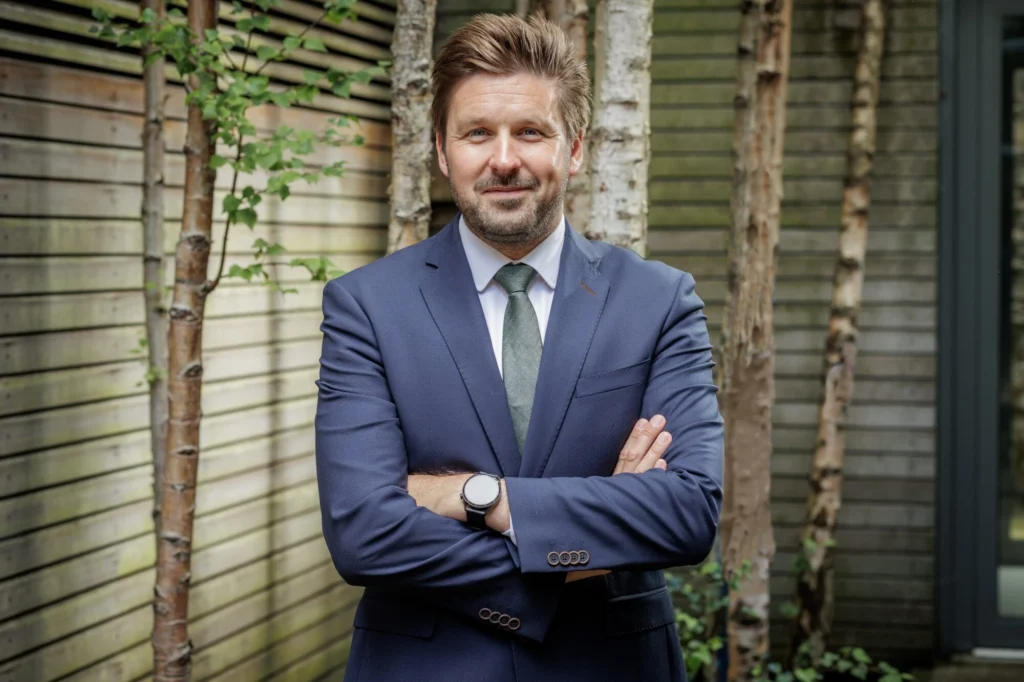
For example, through the Connected Hubs network, Allan shares how they have developed a “third space” that gives workers access to “world‑class facilities closer to home and gives employers confidence that distributed teams can thrive”.
“We are seeing people grow businesses and build careers, while living in and building sustainable local communities”, he adds.
Neil Farren and Niall Murray explore calls to return the office, AI impact on the workforce, and more in the IDEAS Podcast series.
ATU Podcast is available on Spotify and YouTube.
This research is funded under RISE@ATU with supervision by Dr Ken van Someren, Dr Valerie McTaggart, Dr Muslim Jameel Syed, and Prof Giles Warrington. RISE@ATU is co-funded by the Government of Ireland and the European Union through the ERDF Northern and Western Regional Programme 2021-27.
About Neil Farren
Neil Farren is currently pursuing a doctorate as part of the IDEAS Postgraduate Research Training Programme. He brings over 20 years of experience in both the public and private sectors, including senior management roles in global organizations and active involvement in European Commission-funded research projects. His research will explore the adoption of remote working and the digital innovations that have made it possible. The goal is to better understand the benefits and barriers with a view to developing practical and innovative solutions to enable more successful remote working.
For media enquiries, contact:
Jorden McMenamin
Communications Officer
Tel: 074 918 6127
E: jorden.mcmenamin@atu.ie