English
Gaeilge
Micro but vital: Why plankton matters for healthy oceans
From Italy to Ireland's west coast, PhD researcher Giulia Maria Rossi is using DNA sequencing to improve monitoring of marine life.
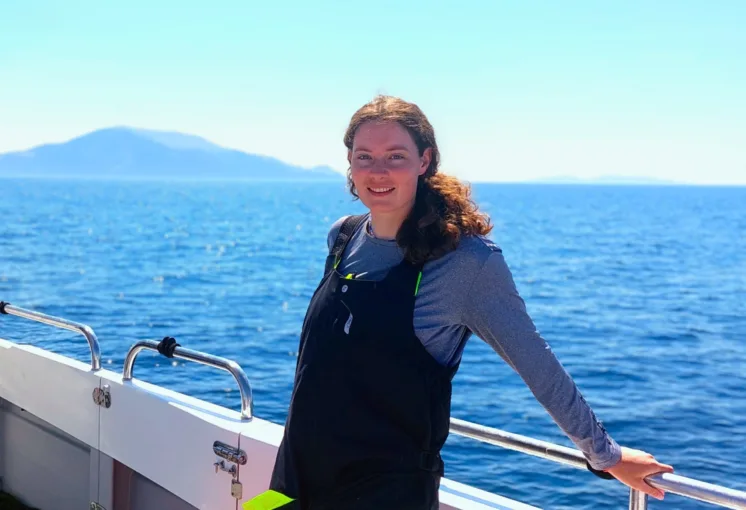
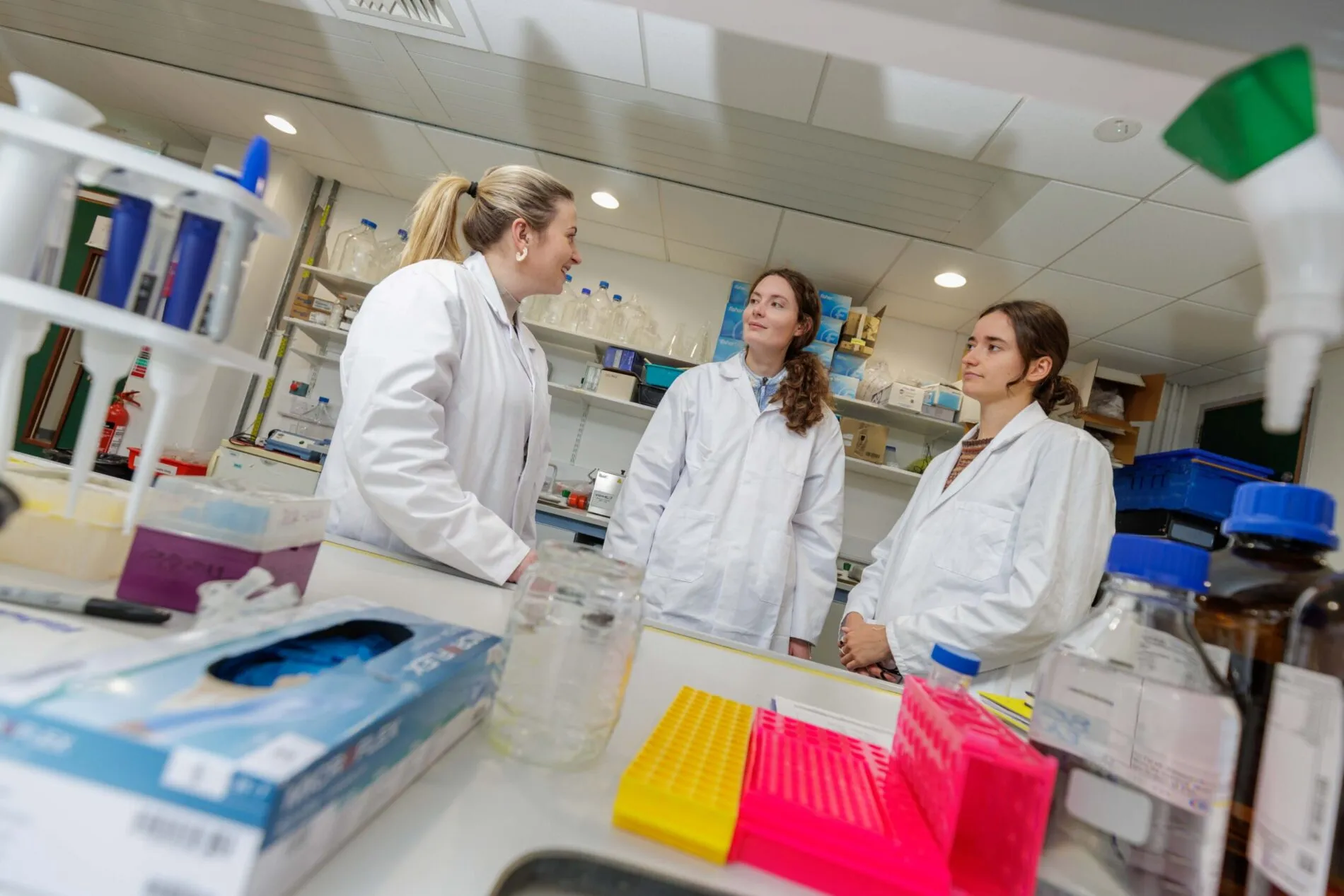
At Atlantic Technological University (ATU), PhD researcher Giulia Maria Rossi is studying some of the ocean’s overlooked lifeforms: jellyfish, microscopic phytoplankton, and fish eggs.
Her project, ‘Linking Oceanographical Connectivity Pathways and Environmental Pollution Pressures to the Genetic Structure of Planktonic Biota in Coastal Embayments’, explores how DNA-based monitoring could detect jellyfish blooms earlier, help improve fisheries management, and strengthen understanding of marine biodiversity in Ireland.
But her work didn’t begin at the coast.
“I grew up in one of the few Italian regions not close to the sea”.
Giulia spent her childhood in Brianza in northern Italy, surrounded by the countryside rather than the coastline.
Yet her interest in marine life came not from direct experience, but from documentaries and images of underwater ecosystems.
“I think I’ve always been fascinated by the sea and by marine creatures”, she says. “When I was a kid, I used to watch documentaries showing coral reefs and colourful fish, so I felt it was natural to go for marine biology.”
Then she moved to Singapore for her master’s thesis research at the Tropical Marine Science Institute, part of the National University of Singapore.
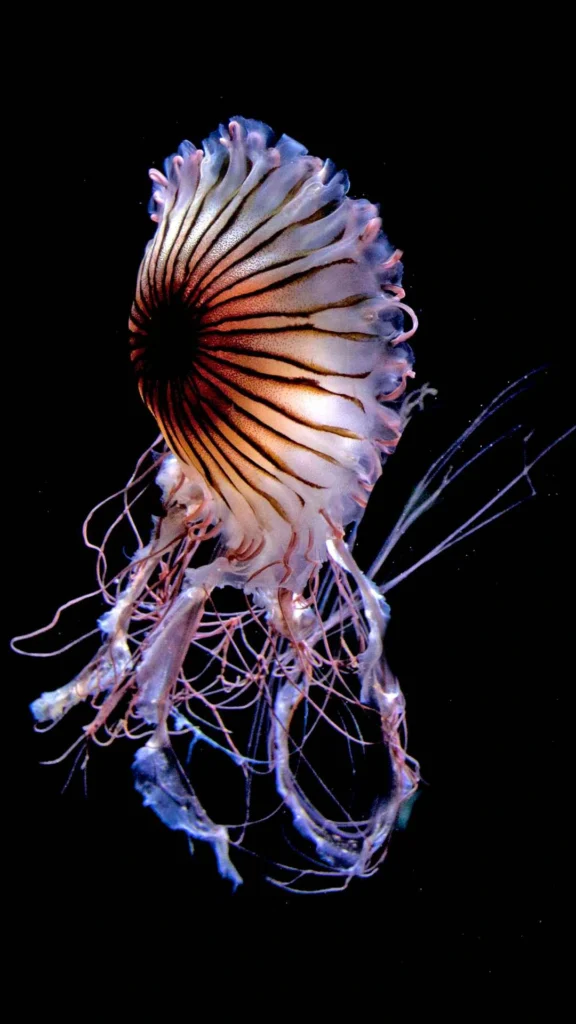
These blooms can cause mass mortality in marine organisms, oxygen depletion and even human disease.
But jellyfish became a recurring symbol during her studies. In her first year of university, she encountered an exhibition hosted by the University of Milano-Bicocca featuring jellyfish from the Aquarium of Genoa.
That was probably a sign”, she says. “It was just a matter of time before I started working with them”.
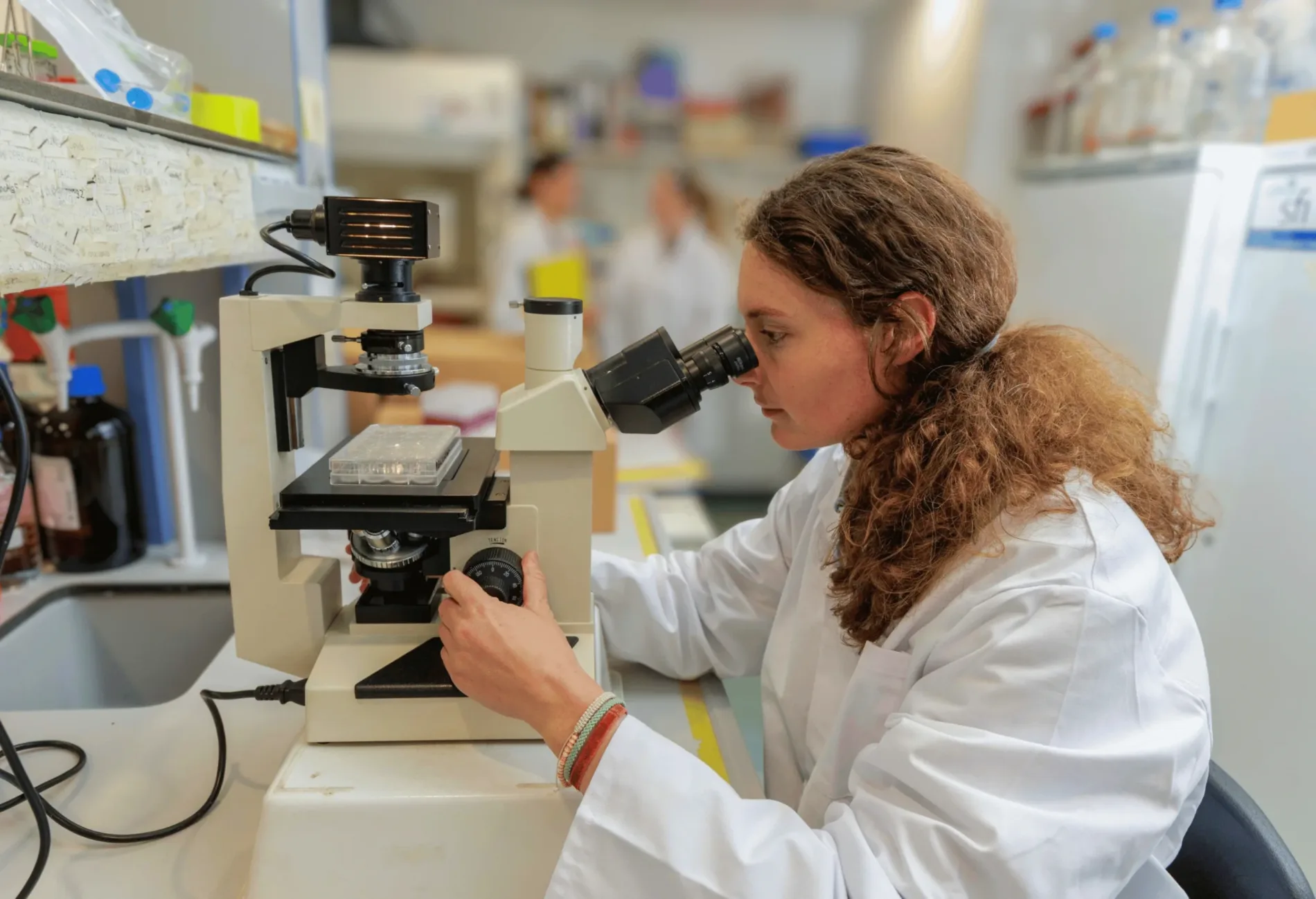
Now based at ATU’s Sligo campus, she is using Nanopore sequencing to improve monitoring of plankton communities.
“I’ll be using molecular techniques to optimise the monitoring of plankton groups, like fish eggs and jellyfish, to have new insights on marine biodiversity in Northwest Ireland”.
One striking example she shared is the lion’s mane jellyfish (Cyanea capillata) found in Irish waters. It can reach two metres in diameter with tentacles over 30 metres long.
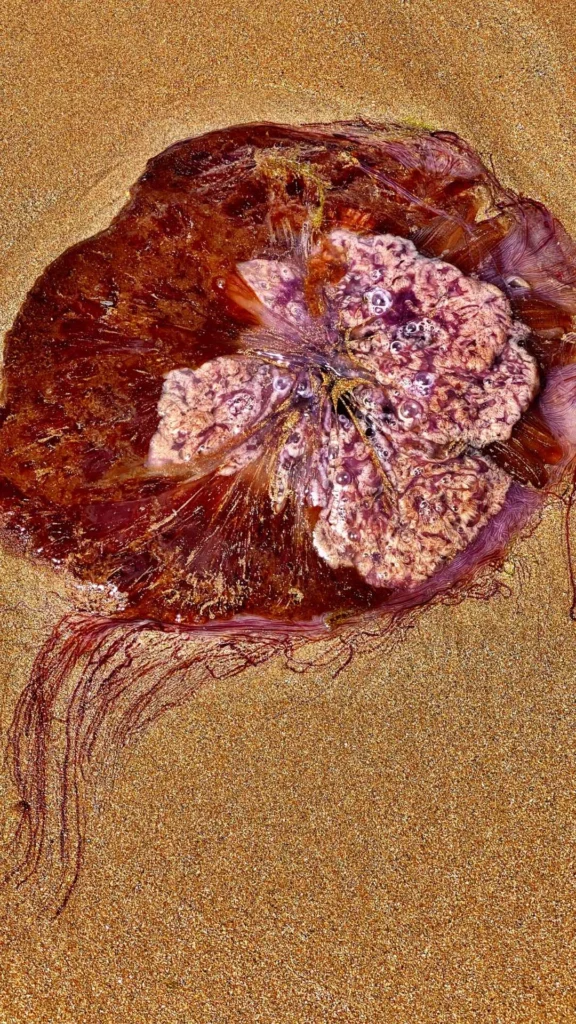
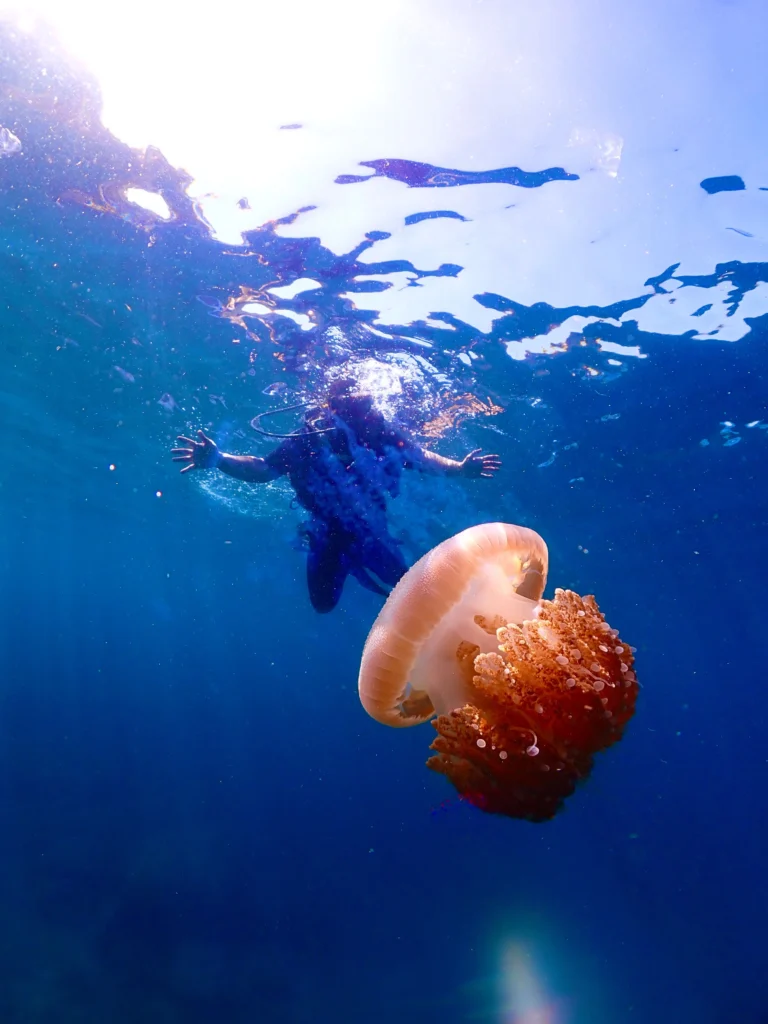
“Despite its size, it is still classified as plankton because it can’t move against ocean currents”.
Her research also explores whether environmental DNA (eDNA) can help detect jellyfish diversity and provide early warning signals for blooms.
Jellyfish are rarely considered in routine monitoring campaigns due to their fragile nature and the difficulty of observing them under a microscope”, explains Giulia.
“Traditional methods, like microscope identification, can sometimes not be enough to distinguish among different species, or groups, like gelatinous zooplankton”, she adds. “This is why the use of DNA can help identify cryptid or closely related species”.
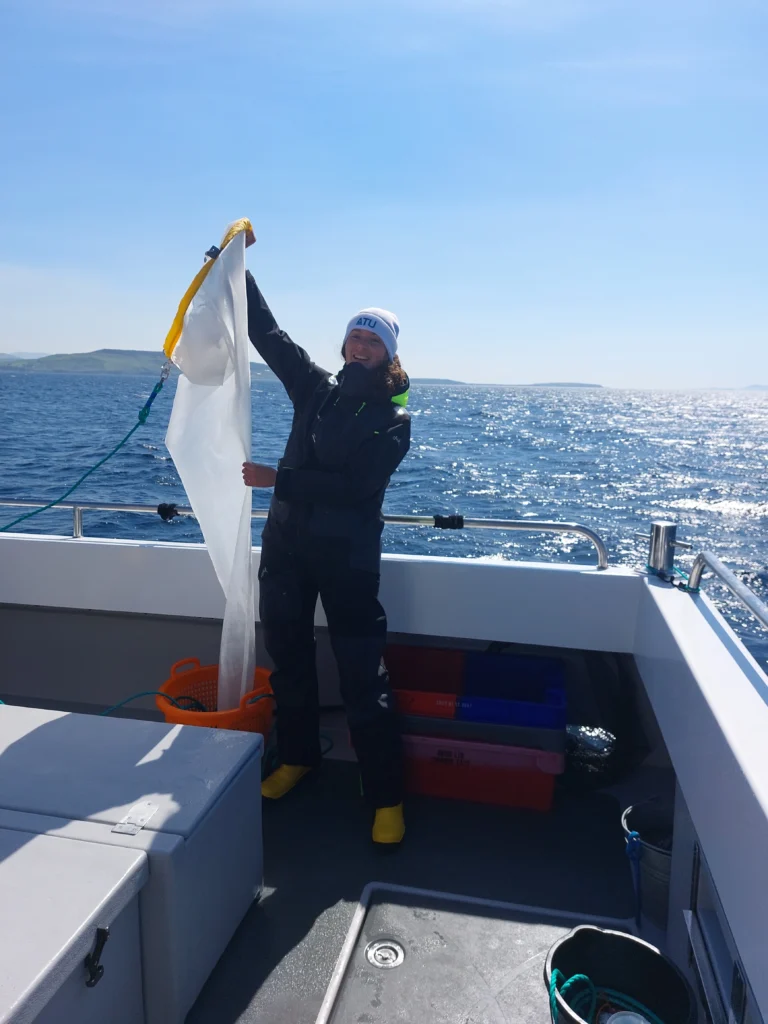
Another species Giulia studies is Atlantic mackerel (Scomber scombrus), a commercially important fish commonly found in supermarkets and in coastal fisheries across Europe.
“Fishing is a very important activity for Ireland,” she says. “Analysing the fish eggs across four bays in Northwest Ireland will help us to manage our fish stocks and assess whether numbers are decreasing or not.”
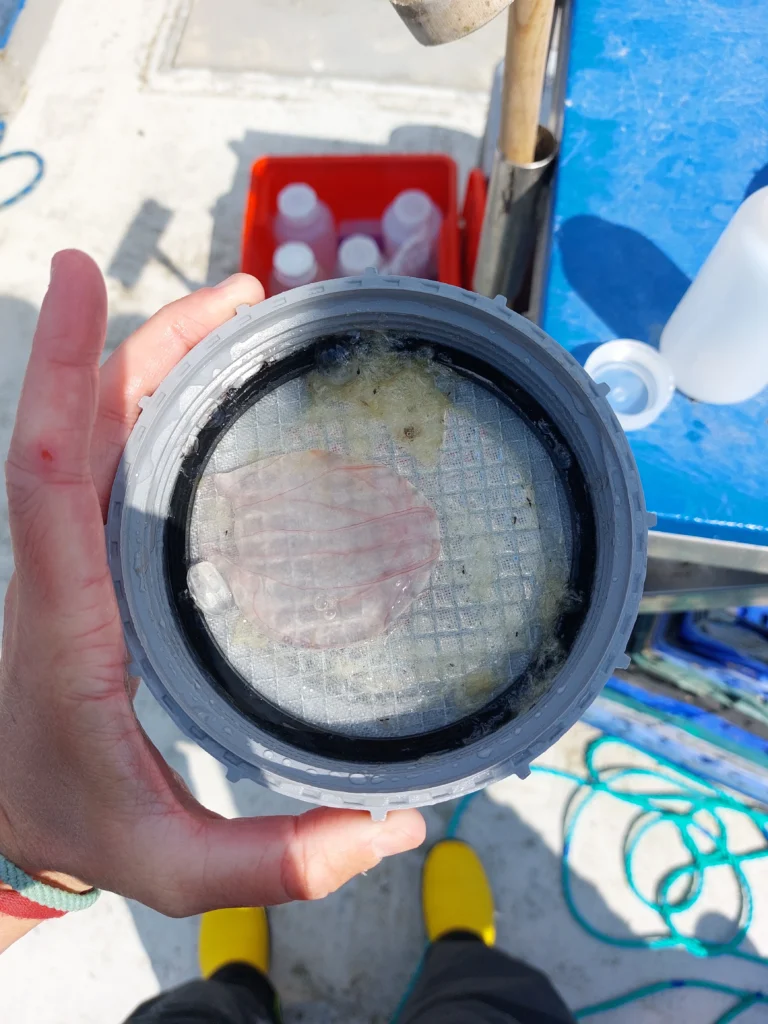
Working from chartered boats, she is collecting her samples from Galway Bay, Clew Bay, Donegal Bay, and Sligo Bay, using a plankton net with a mesh size of 500 microns. This includes fish eggs roughly one millimetre in diameter, alongside a wide range of drifting marine life.
Fish eggs are traditionally identified under microscopes, a process that is slow and highly specialised. Giulia is exploring DNA-based approaches to make this faster and more reliable.
One of these methods uses fluorescent probes that bind to specific DNA sequences. This makes eggs of the target species shine in green or orange, depending on the fluorophore attached to the DNA probe.
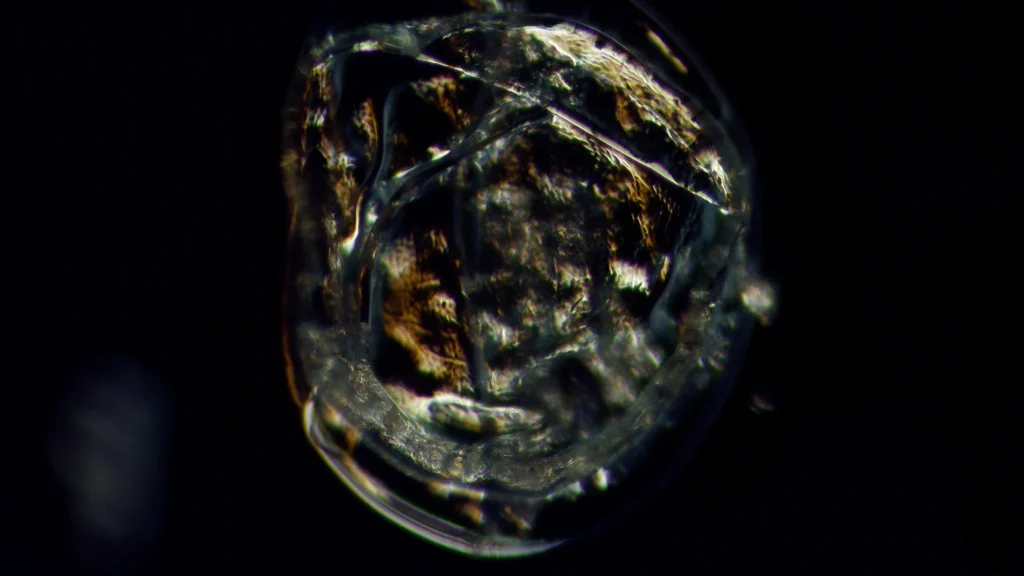
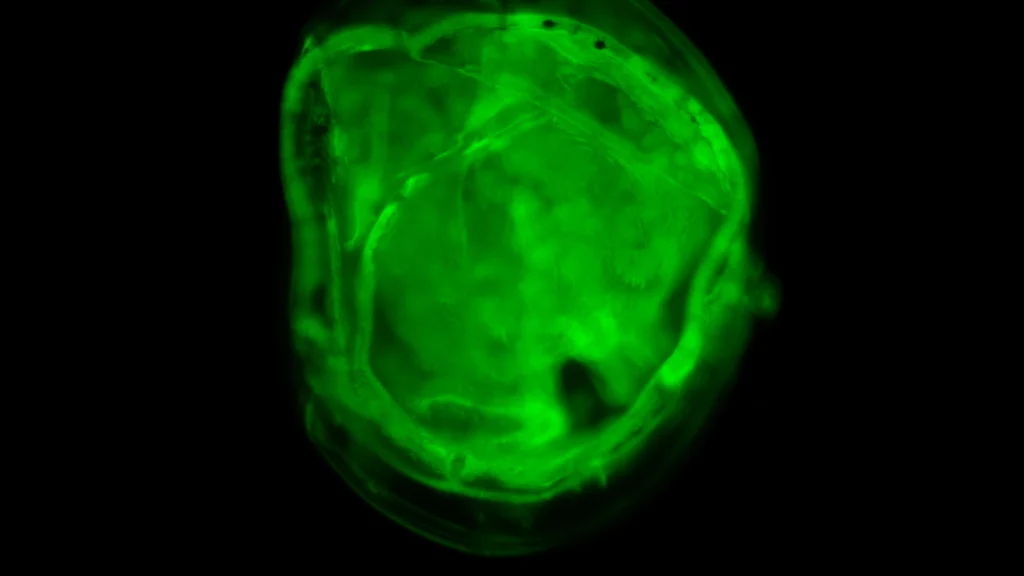
The technique offers a less invasive way to monitor marine ecosystems while also improving scientists’ ability to track commercially important fish populations in Irish waters.
For fisheries and aquaculture in Ireland, this research could offer a more responsive way of tracking how marine ecosystems are changing over time.
Discover why Giulia’s work spans two settings: the sea and the laboratory.
This research is funded under RISE@ATU with supervision by Nicolas Touzet, Róisín Nash and Fiona Kavanagh. RISE@ATU is co-funded by the Government of Ireland and the European Union through the ERDF Northern and Western Regional Programme 2021-27.
About Giulia Maria Rossi
Giulia Maria Rossi is a PhD researcher at Atlantic Technological University. Her research focuses on applying advanced molecular techniques to the study of plankton communities in Irish coastal waters. Her PhD project, Linking Oceanographical Connectivity Pathways and Environmental Pollution Pressures to the Genetic Structure of Planktonic Biota in Coastal Embayments, examines ichthyoplankton, gelatinous zooplankton and phytoplankton using DNA-based tools including qPCR, metabarcoding and Nanopore sequencing. Her work explores how molecular monitoring can support fisheries, detect jellyfish blooms earlier and improve understanding of environmental pressures affecting aquaculture and marine ecosystems in Ireland.
Featured Image: Giulia Maria Rossi, PhD researcher at Atlantic Technological University.
- Lion’s mane jellyfish (Cyanea capillata) found in Irish waters.
- Fluorescent probes that bind to specific DNA sequences. This makes eggs of target species shine in green or orange, depending on the fluorophore.
For media enquiries, contact:
Jorden McMenamin
Communications Officer
Tel: 074 918 6127
E: jorden.mcmenamin@atu.ie