English
Gaeilge
‘Ghost gear’: Turning ocean plastic into manufacturing potential
Dr Eimear Magee is recovering discarded fishing gear from the ocean into valuable resources for local industries.
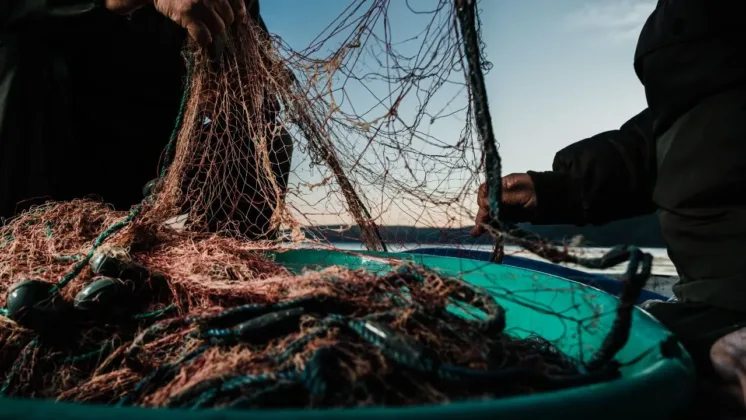
For many people, plastic has become shorthand for pollution, waste, and environmental damage.
But for Dr Eimear Magee at Atlantic Technological University, plastic looks like promise. In the right hands, what appears like waste can become opportunity.
Marine plastic is not simply pollution; it represents an opportunity for circularity.
Dr Magee’s journey into sustainability began in polymer processing and characterisation, alongside her industrial experience in medical device and new product introduction engineering.
Her current work brings those two worlds together.
Now a postdoctoral researcher at the Precision Engineering and Manufacturing (PEM) Centre, her research is part of the BluePoint project, an Interreg Atlantic Area collaboration working to build a Blue Circular Economy by tackling Marine Plastic Pollution (MPP) across Europe.
Their goal is to recover plastic from the ocean, understand it, process it, and return it to industry as a valuable resource.
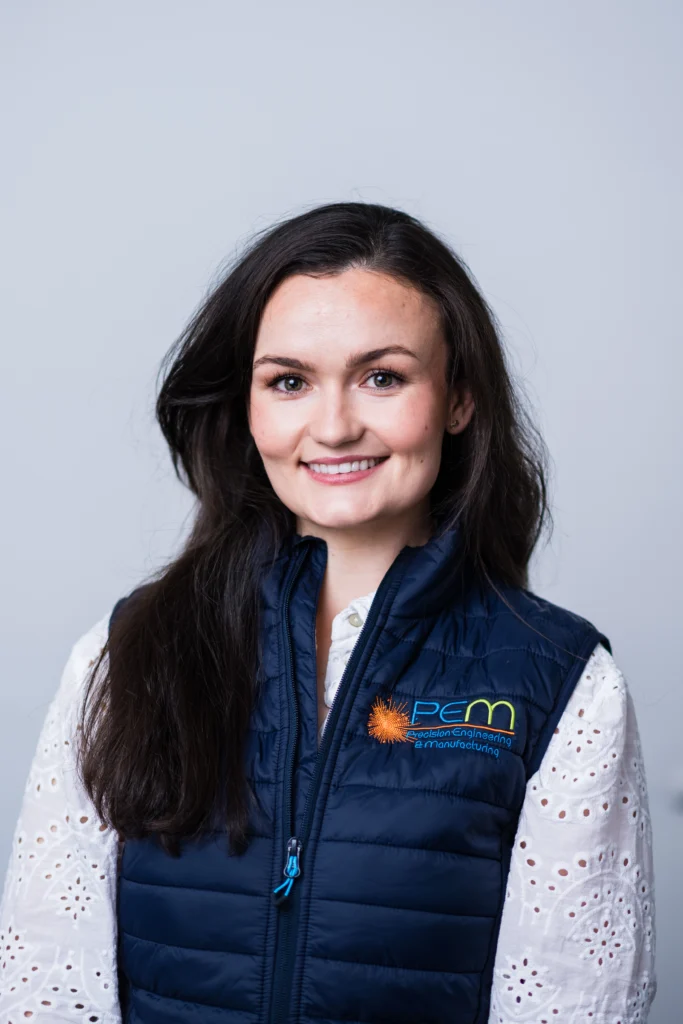
This research is demonstrating that what we commonly label as ‘waste’ can be transformed into valuable, functional products”, shares Dr Eimear Magee.
The threat of ‘ghost gear’
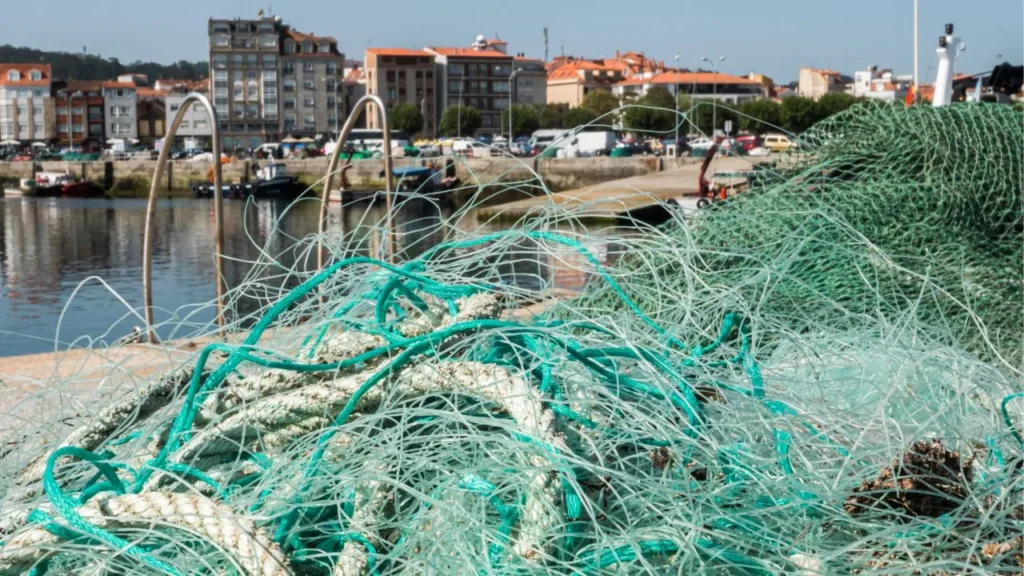
In Ireland, the pilot focuses on recovering and reprocessing abandoned fishing gear supplied through collaboration with IFF Plastics Ltd and Inland Fisheries Ireland, including nets and ropes retrieved from the Atlantic Ocean.
“It can entangle and injure marine life, disrupt habitats, and contribute to the long-term accumulation of plastic debris and microplastics in the ocean,” explains Dr Magee.
Often referred to as ‘ghost gear’, this material poses a serious threat to marine ecosystems.
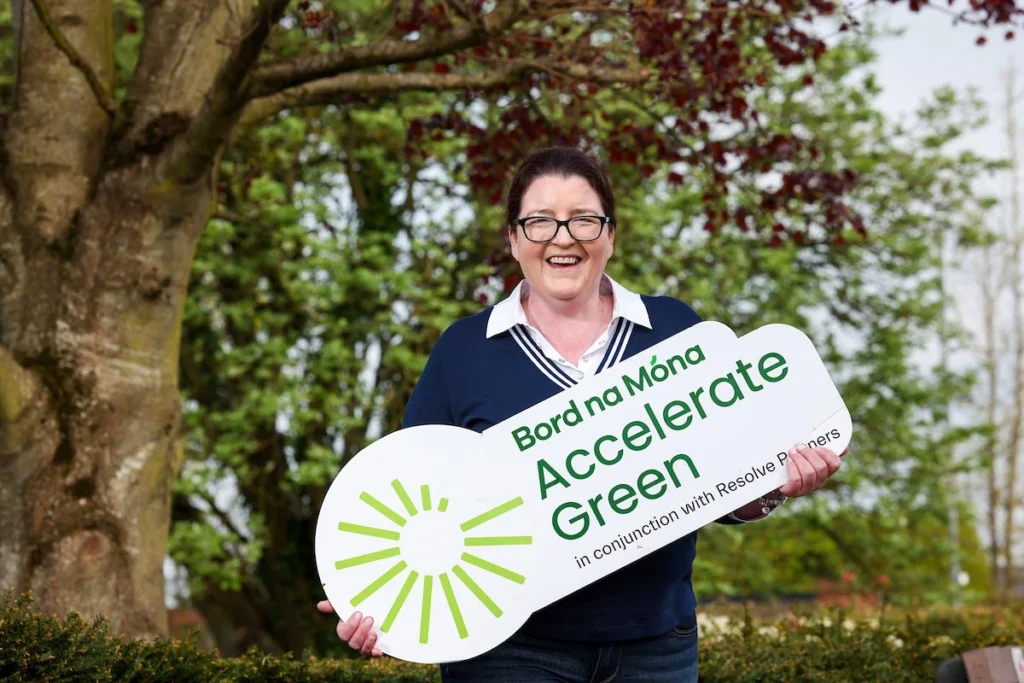
“Fishing gear is usually made from durable plastics”, adds Sharon Barrington, General Manager in IFF Plastics Ltd, a family run plastic washing, shredding, and manufacturing company in Co Clare.
“Recycling it means less need to produce new plastic from fossil fuels, reducing environmental impact and contributing to efforts against climate change”, she adds.
Beyond the environmental impact, MPP affects coastal economies, including fisheries and tourism that depend on healthy seas.
This project looks at this material differently. Not as pollution, but as a starting point.
As Sharon explains:
Marine plastic has long been overlooked as waste, but it is a valuable resource that deserves attention. When recovered, it can be reused to make new products, reduce pollution and support a Circular Economy.
Most fishing ropes and nets are made from thermoplastics which can be melted and reshaped. The difficulty lies in recycling them effectively and responsibly after exposure to marine conditions.
“Products made this way have a lower carbon footprint, as they avoid the high emissions of producing new plastic”, shares Sharon.
New possibilities for sustainable manufacturing
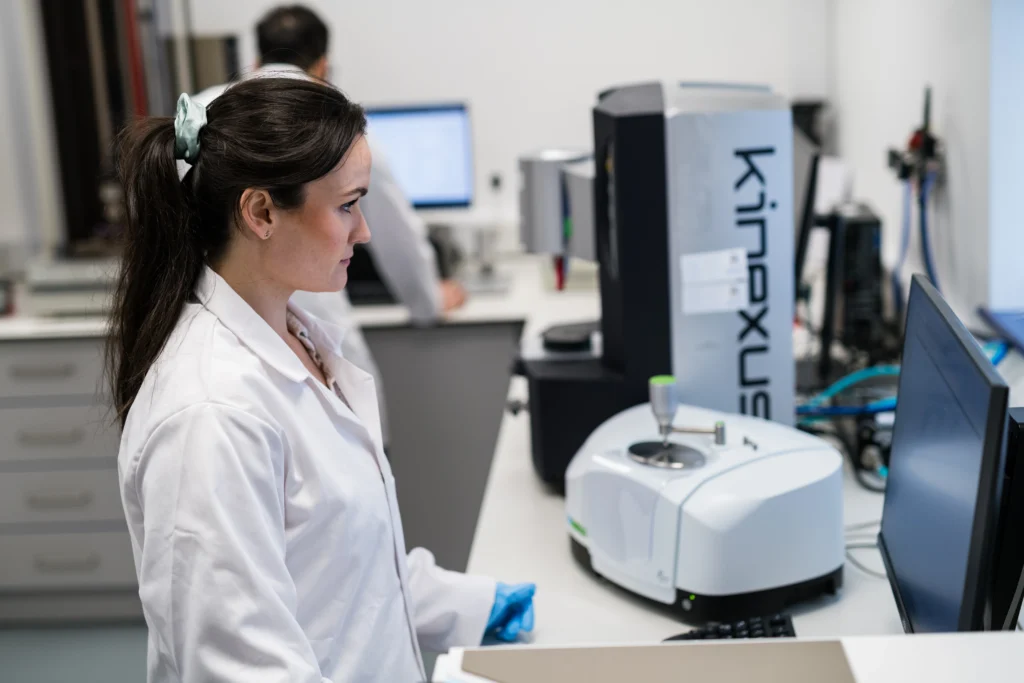
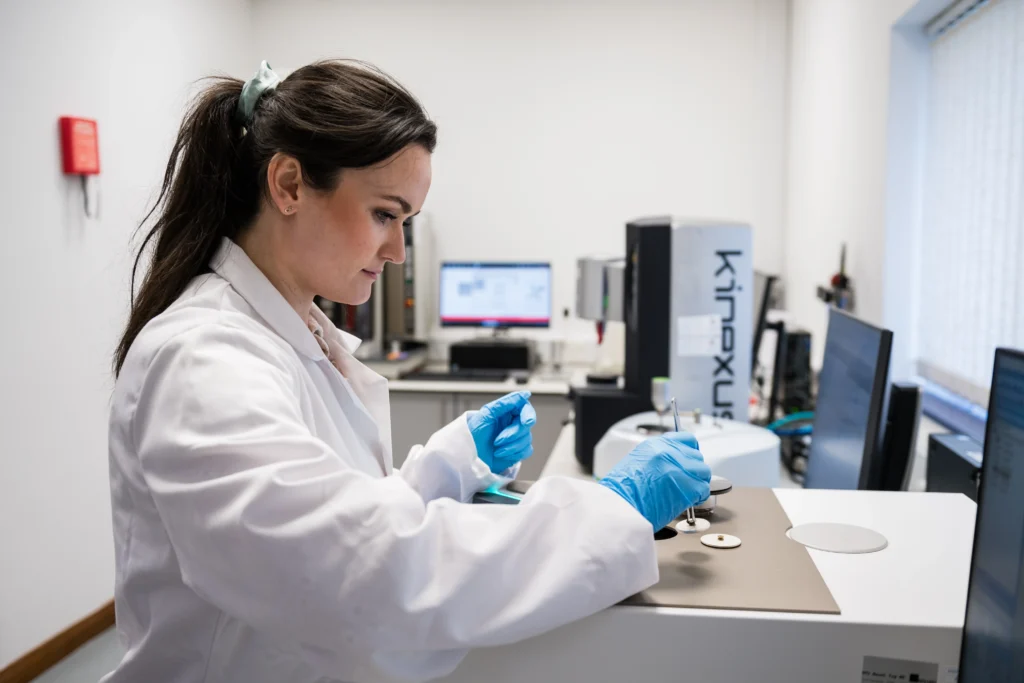
After months or years at sea, these materials are exposed to saltwater, sunlight, mechanical stress and biological contamination. Before they can be reused, researchers need to understand exactly what they are working with.
“The goal is to identify polymer composition, as well as detect additives, contaminants, and signs of chemical degradation,” explains Dr Magee.
It is a crucial step that bridges environmental ambition with industrial reality.
For Dr Magee, “3D printing offers advantages over traditional processing methods such as injection moulding”.
“It allows us to adjust processing settings and design in real time”, she adds, “which is essential when working with variable recycled materials. This adaptability creates new possibilities for sustainable manufacturing using recovered resources.”
While the BluePoint project’s environmental goal is clear, the overall ambition goes further.
The broader goal is to demonstrate that recycled marine plastics are not just viable, but valuable.
The team is also developing business models that support a European blue circular economy, where recovered materials are reintegrated into industry rather than discarded.
Creating recycling streams could support jobs, strengthen regional economies, and help businesses meet growing demand for sustainable products.
As David Tormey, Director of PEM Research and Technology Gateway Centre explains:
“At the PEM Research Centre, we help Irish manufacturing and maritime sectors become more sustainable and competitive”.
“Through projects like BluePoint, we work with partners to turn promising concepts into practical, scalable technologies that industry can adopt”, he adds.
When talking about marine plastic, the question may not be how to get rid of it– but what we’re going to make from it.
For media enquiries, contact:
Jorden McMenamin
Communications Officer
Tel: 074 918 6127
E: jorden.mcmenamin@atu.ie
Photo Credits:
- Dr Eimear Magee, Postdoctoral researcher at Atlantic Technological University. Photo by Conor Doherty
- Sharon Barrington General Manager of IFF Plastics Limited. Photo Credit: Clare FM.
- Dr Eimear Magee working in the PEM Centre. Photo by Conor Doherty