
Courses
ATU strengthens European Coastal Sustainability Research through PRO-Coast Consortium meeting in Malta
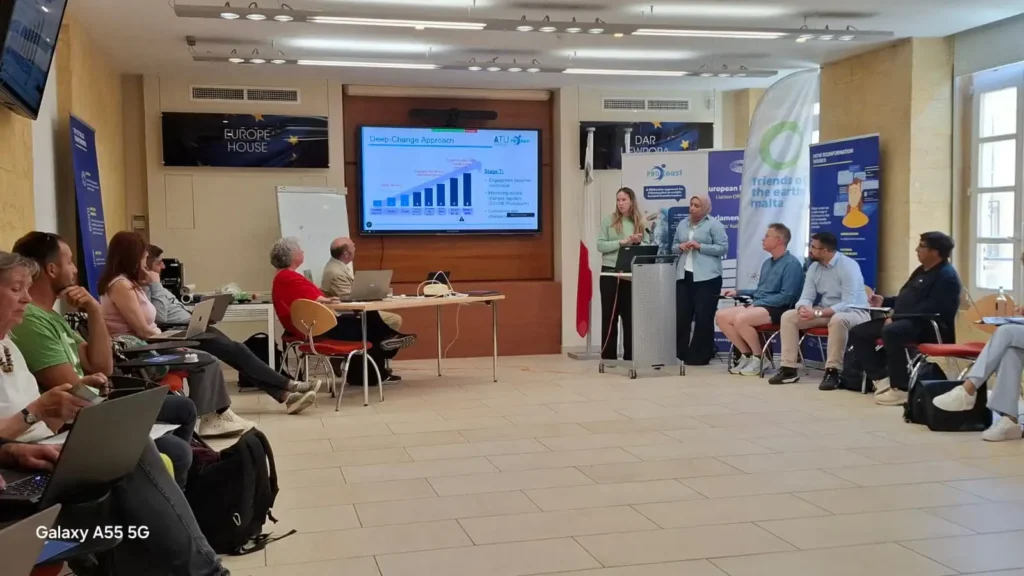
Atlantic Technological University (ATU) participated in the 6th Consortium Meeting for PRO-Coast (A PROactive approach for COmmunities to enAble Societal Transformation) in Malta to discuss coastal sustainability.
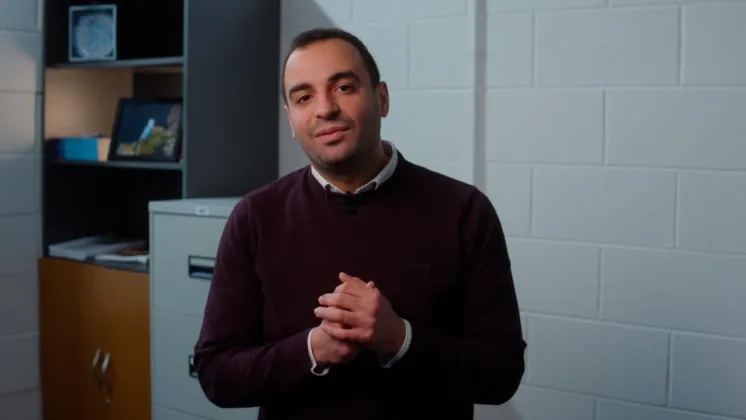
The latest PRO-Coast consortium meeting took place in Malta to share research findings and strengthen European collaboration on biodiversity conservation and coastal sustainability.
ATU is a key partner in the international consortium and leads one of the project’s coastal case studies. ATU researchers, led by Dr Salem Gharbia, Principal Investigator (PI) for ATU and Head of the Department of Environmental Science, joined project partners from across Europe to review progress, share research findings, and strengthen collaboration on community-led approaches to biodiversity conservation and coastal sustainability.
The Horizon Europe-funded PRO-Coast project brings together 20 partners from 14 countries to develop community-led approaches to biodiversity protection, coastal resilience and environmental governance across Europe.
Hosted by Friends of the Earth Malta, the meeting focused on advancing collaborative research, strengthening stakeholder engagement, and accelerating the development of innovative tools to support sustainable coastal management.
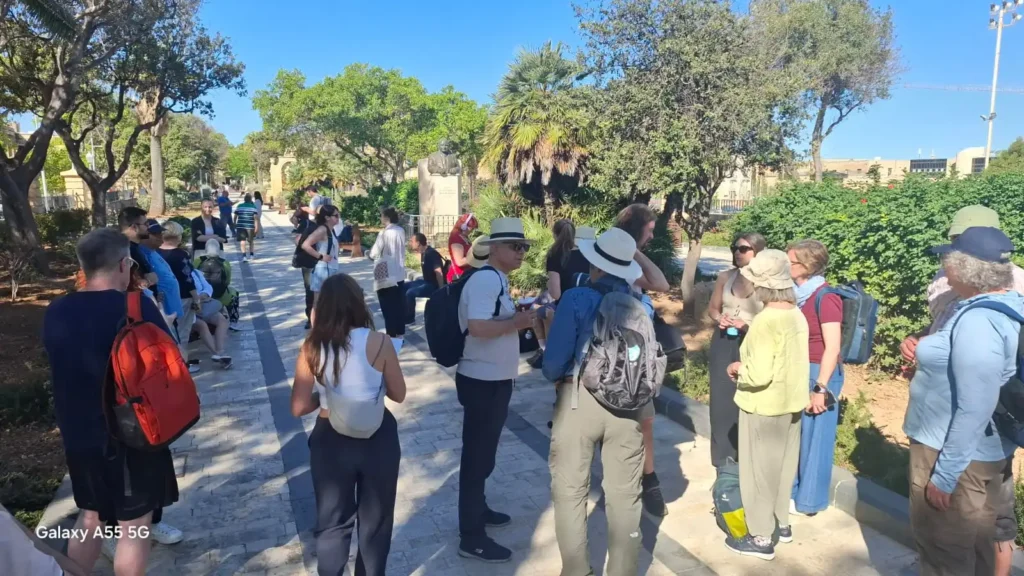
The field visit to Comino Island and the Blue Lagoon, led by Annalise Falzon, licensed nature walk specialist and environmental educator, together with Martin Galea de Giovani and Michelangelo Galea, provided first-hand insight into a Natura 2000 protected site under increasing pressure from tourism activity.
Key issues observed included severe overcrowding at the Blue Lagoon with large daily visitor numbers, visible waste and litter along the coastline, and increasing pressure on fragile flora and migratory bird habitats. The visit highlighted the challenges of managing a legally protected marine environment under sustained visitor demand and reinforced the need for evidence-based and community-centred approaches to coastal protection and sustainable development.
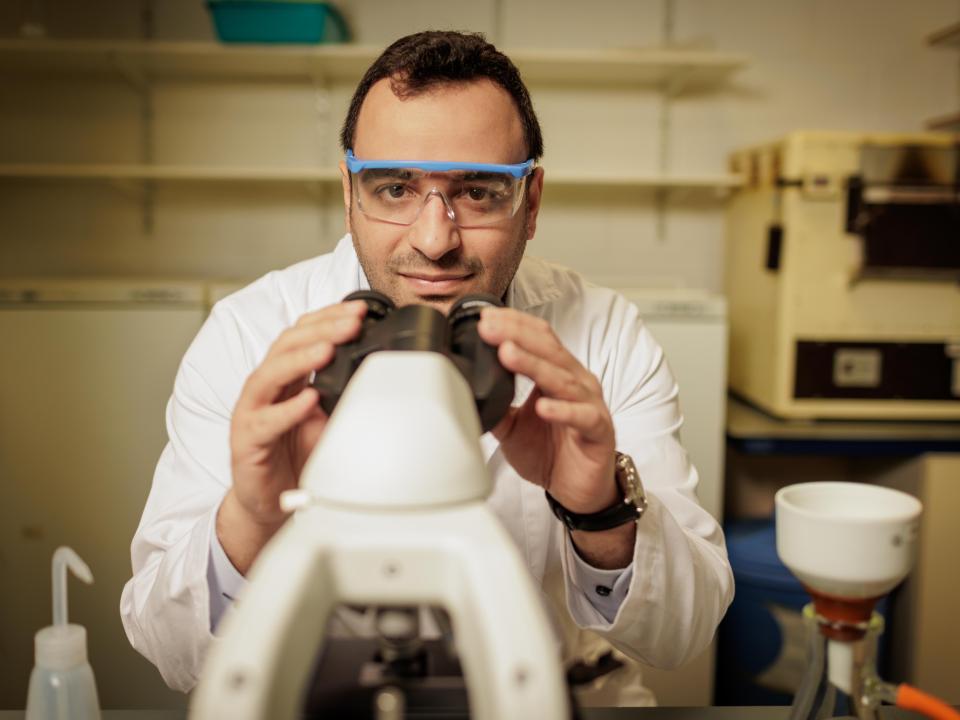
Dr Salem Gharbia, Principal Investigator for PRO-Coast at ATU and Head of the Department of Environmental Science, said:
“The Malta consortium meeting provided an excellent opportunity to exchange knowledge and strengthen collaboration among our European partners”.
Another key milestone highlighted during the meeting was the advancement of the Conservation and Human Use Index (CHUI), a digital assessment tool integrating ecological, governance and community data to better understand interactions between conservation priorities and human activity. Partners also reported continued development of the multilingual Community Sustainability Platform (CUSP), designed to support long-term community engagement and knowledge exchange across Europe.
He added that the challenges observed on Comino Island “highlight the urgent need for evidence-based, community-centred approaches to coastal management”.
“Through PRO-Coast, ATU is helping to develop innovative tools and governance frameworks that empower communities to actively participate in protecting biodiversity while supporting sustainable social and economic development”, added Dr Gharbia.
“These lessons are highly relevant for Ireland’s coastal regions and will contribute to more resilient and inclusive environmental governance.”
Looking ahead, partners agreed on strengthened dissemination and legacy planning, including collaboration with other EU projects, policy development and strategies to ensure long-term impact beyond the project’s lifecycle.
About PRO-Coast: PRO-Coast is a Horizon Europe project (Grant Agreement No. 101082327), consisting of 20 partners from 14 countries (Belgium, Greece, Spain, Italy, Germany, Estonia, Romania, Montenegro, Cyprus, Malta, United Kingdom, Slovenia, Norway, and Ireland). They have joined forces to stimulate and empower local communities and civil society in general, to support restoration and maintenance of biodiversity and ecosystem services across Europe, involving them more actively in environmental governance. Over the 3 years of the project, PRO-Coast will gather and synthesise knowledge for informed citizen decisions, improving co-participation in community decision-making, while integrating local knowledge into policymaking
For more information, please visit www.pro-coast.eu.