
Courses
ATU researcher leads first study comparing elite intercounty camogie demands
ATU researcher Dr John Duggan investigates the physical demands of elite intercounty camogie and the need for more female-specific sports science.

This article is based on the ATU Research Commentary Series, a compilation of peer-reviewed research by ATU researchers.
Camogie is one of Ireland’s most popular field sports, but it remains significantly under-researched compared to its male equivalent.
Only 19% of research studies have focused on camogie, compared with 81% on hurling.
For Dr John Duggan, Lecturer in Sport, Exercise & Nutrition at ATU, this gap has real performance consequences for supporting both performance and player welfare.
“Despite camogie being a traditional amateur Gaelic sport played by female athletes, it remains significantly under-researched compared to its male counterpart, hurling”.
Dr John Duggan
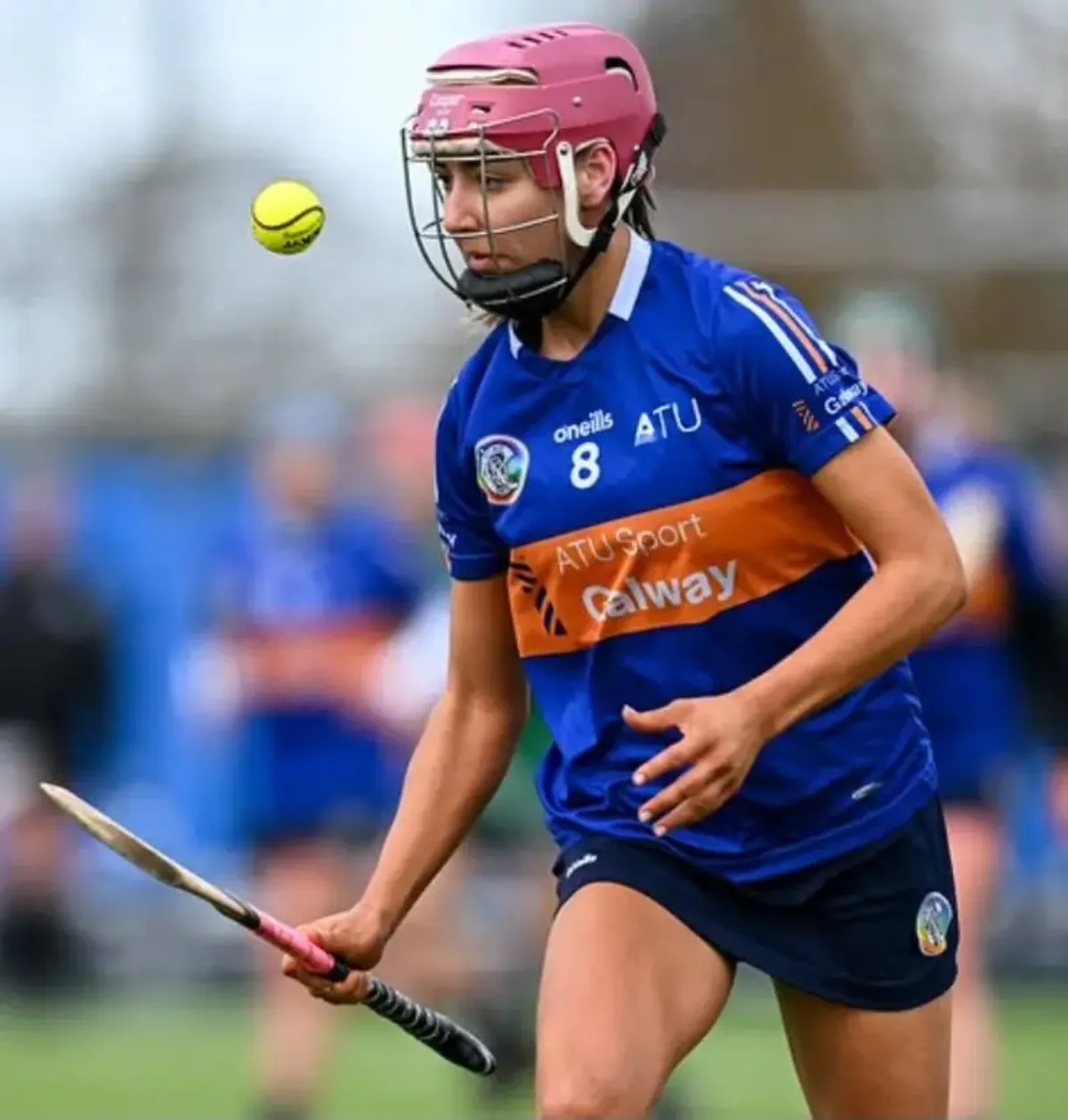
This is the first study to directly compare the physical and physiological demands of inter-county camogie across competitions.
Published in the Journal of Sports Sciences (2025), this research builds on earlier work in the Strength and Conditioning Journal (2024), and was carried out in collaboration with Dr Paul J Byrne, Dr Shane Malone, Professor Stephen-Mark Cooper, Dr Jeremy Moody and Dr Lisa Ryan.
Across competitions, their research found clear differences in physical output, with both running performance and heart rate responses that changed depending on the stage of the season.
Championship matches saw players run almost 300 additional metres and complete over 50 metres more sprinting per game. Average heart rates dropped by up to 13 beats per minute, suggesting athletes were working more efficiently at higher intensities as competition progressed.
The findings indicate that position-specific training and conditioning are required to support players transitioning between competitions,” Dr Duggan says.
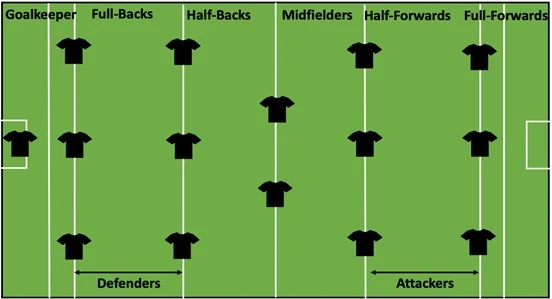
The research highlights the need for targeted strength and technical training to help these players tolerate the intensity of intercounty camogie.

The findings also suggest that the same athlete may experience different physical demands depending on the stage of the season. This raises questions about whether a single training model can adequately prepare players year-round.
Using Global Positioning Systems (10 Hz) and heart rate monitors (2.4 GHz), the research analysed 28 players to better understand movement patterns, intensity, and workload in real match conditions.
The team also tracked matchplay demands across 18 intercounty games over two years. Rather than relying on training assumptions, they examined live match performance across both the National League and the All-Ireland Championship.
As an invasion-based field sport involving high-intensity intermittent physical demands, there is a clear need for strength and conditioning recommendations for female camogie athletes, particularly at intercounty level.
Dr Duggan believes this research marks an early step in building a deeper scientific understanding of the women’s game:
This work can help practitioners design position-specific sprinting and conditioning programmes and better manage the transition from the National League to the All-Ireland Championship.
Dr John Duggan

It also offers guidance for structuring training blocks across the competitive season, helping coaches better prepare players for the shifting demands of elite competition.
With camogie continuing to grow in popularity both nationally and internationally, the research points toward the next phase of investigation. Future studies will explore internal and external training loads and how key physical qualities can be developed to support player performance and welfare.

This article is based on the ATU Research Commentary Series Issue 4, The Physical and Physiological Demands of Intercounty Camogie Competitions, drawing on peer-reviewed research by Dr John Duggan.
For media enquiries, contact:
Jorden McMenamin
Communications Officer
Tel: 074 918 6127
E: jorden.mcmenamin@atu.ie
The ATU Research Commentary Series is funded by RISE@ATU. RISE@ATU is co-funded by the Government of Ireland and the European Union through the ERDF Northern & Western Regional Programme 2021-2027.

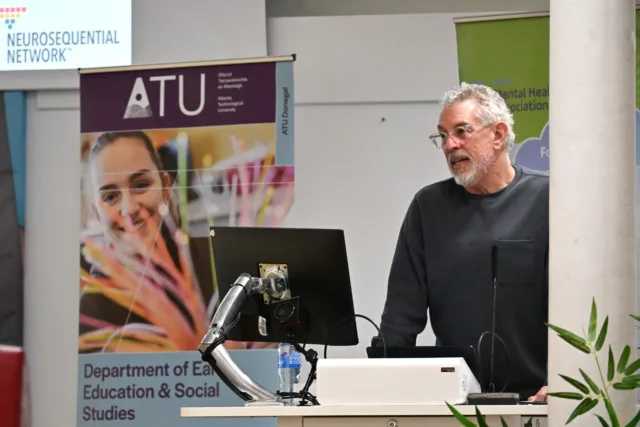
Photo caption: Dr John Duggan, Lecturer in Sport, Exercise & Nutrition at Atlantic Technological University.