English
Gaeilge
ATU leads scientific effort as first 15,000 horse mussels returned to Dogger Bank
Atlantic Technological University (ATU) is playing a leading scientific role in an ambitious European marine habitat restoration project, as the first 15,000 horse mussels have been released to the seabed of the Dogger Bank in the North Sea.
The release of the horse mussels serves as a pilot for further scaling up to large-scale restoration of these important habitats for fish, marine mammals, and seabirds.
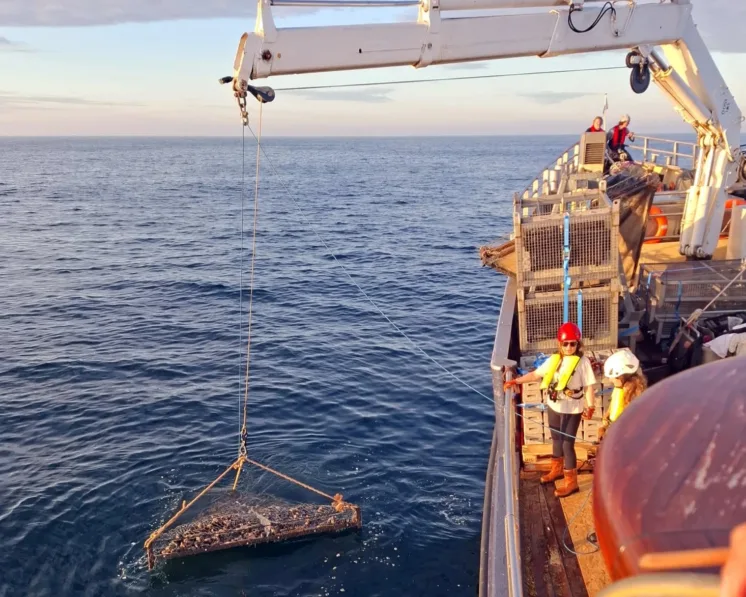
The rewilding was carried out during a joint expedition involving the Doggerland Foundation, ARK Rewilding Netherlands, Blue Marine Foundation and Atlantic Technological University as part of the Rewilding Dogger Bank initiative. Horse mussels were placed at four locations across the Dogger Bank using a variety of deployment methods that will be monitored over the coming years to determine the most effective approach for large-scale restoration.
ATU is the scientific lead for the project and has been involved since its inception, helping to shape the survey design, restoration strategy and long-term scientific monitoring programme.
The university’s contribution draws on more than 15 years of research into the ecology and conservation of horse mussels (Modiolus modiolus) and the biogenic reef habitats they create.
The ATU research team is led by Dr José M. Fariñas-Franco, Principal Investigator, alongside Dr Mariana Herrera, the project’s lead postdoctoral researcher. Researchers are supporting the restoration intervention while generating the scientific evidence needed to evaluate its success.
The programme includes investigations into the genetic diversity of North Sea horse mussel populations, the development of ecological and larval transport models, and studies of biodiversity patterns and ecosystem recovery associated with reef restoration. The findings are expected to inform future restoration initiatives and improve understanding of how these valuable habitats function and recover.
Supported by the Endangered Landscapes & Seascapes Programme, the project has a total value of approximately $3 million.
ATU’s Dr Fariñas-Franco said:
I am delighted to see years of planning and collaboration culminate in the start of active restoration on the Dogger Bank. Achieving this milestone required close cooperation with conservation organisations, regulators and government agencies to secure the necessary permissions for what is one of the most ambitious offshore marine habitat restoration projects undertaken in Europe.
At ATU and the Marine and Freshwater Research Centre, we have provided scientific expertise to help identify suitable restoration areas and develop the evidence base underpinning the project. Seeing horse mussels returned to the seabed is an important step towards restoring one of the North Sea’s most valuable biogenic habitats. Horse mussel reefs support exceptionally rich marine biodiversity, providing habitat for hundreds of species and contributing to the overall health and resilience of marine ecosystems.”
The Dogger Bank, a large sandbank located in the central North Sea, was once home to extensive reef systems that provided habitat, feeding grounds and breeding areas for fish, seabirds and marine mammals. Conservation organisations involved in the project say natural recovery is unlikely without intervention due to the scale of historic habitat loss.
Horse mussels are regarded as ecosystem engineers, forming complex reef structures that create shelter for a wide range of marine species. As filter feeders, they also help improve water quality and contribute to seabed stability, making them a key component of healthy marine ecosystems.
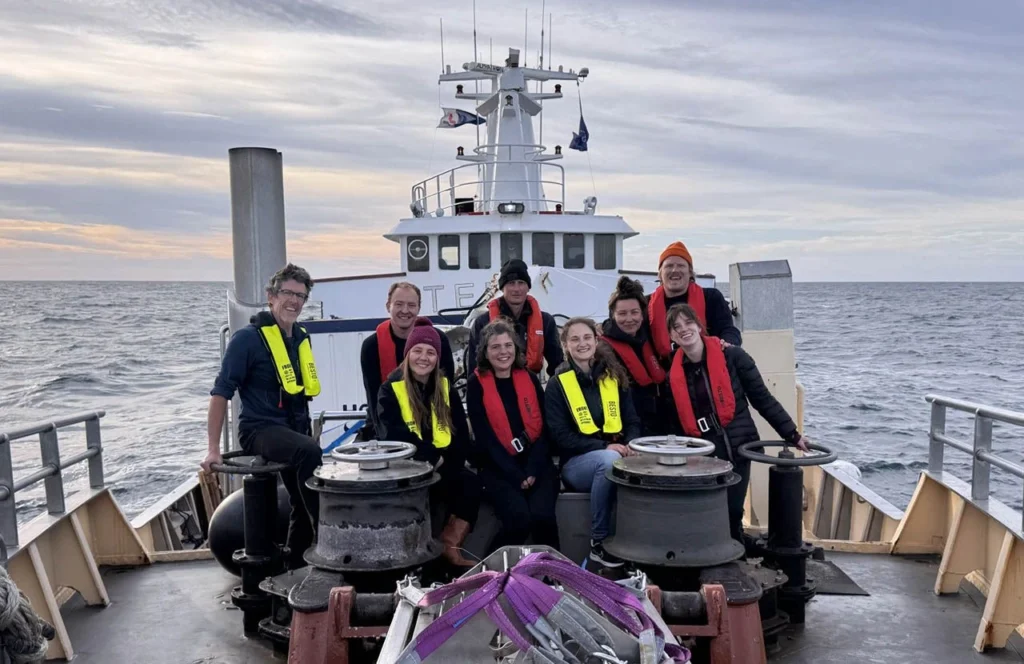
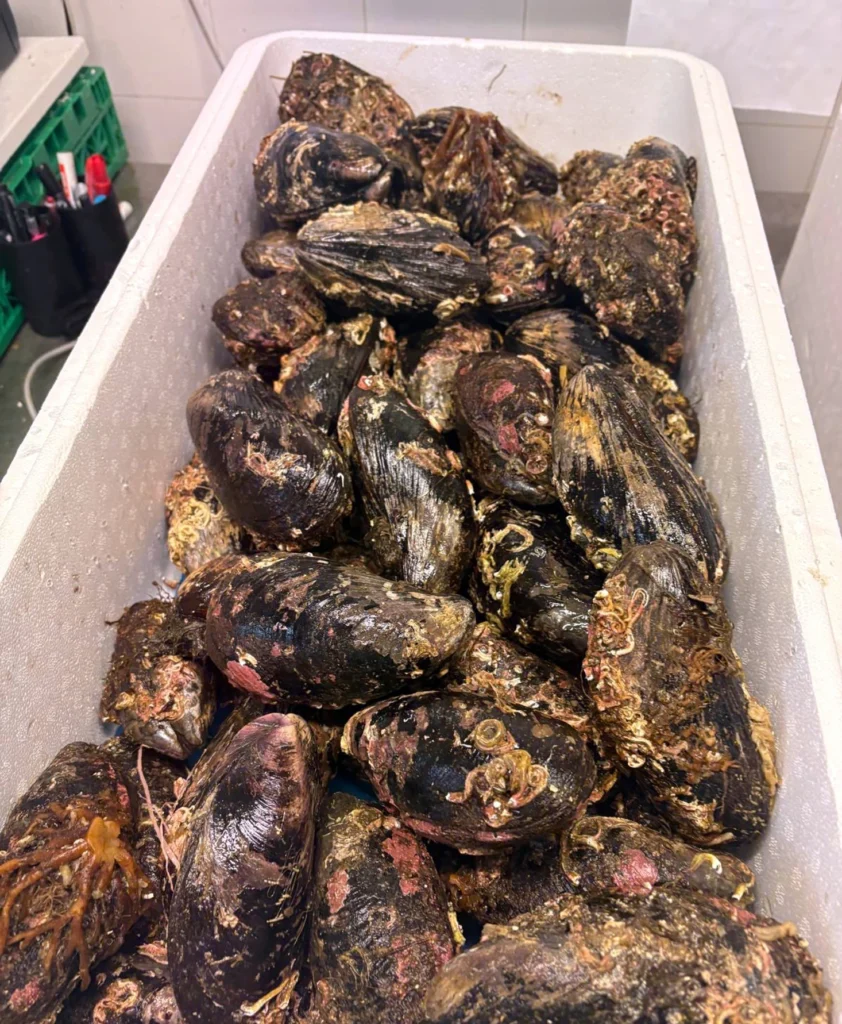
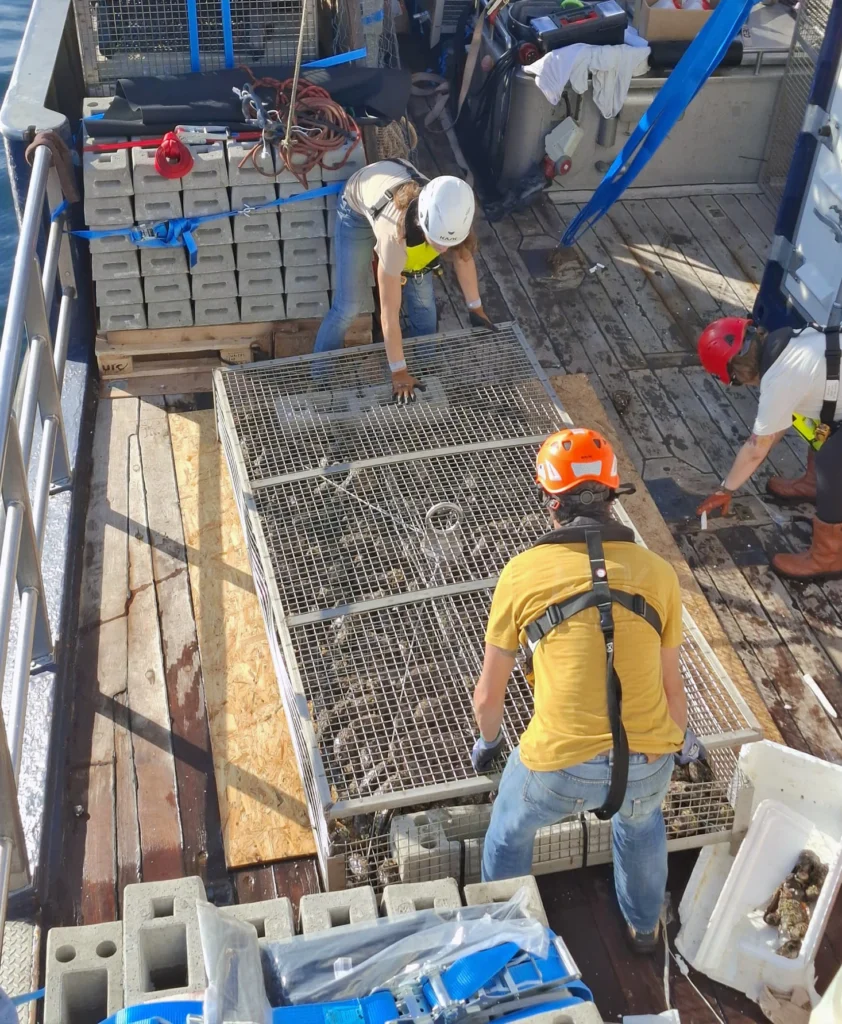
Researchers will now monitor the newly established test sites to assess mussel survival, growth and reproduction. Different deployment methods, including steel cages, cotton bags and direct placement on the seabed, are being tested to determine which approaches are most effective for future large-scale restoration efforts.
ATU scientists will play a central role in analysing the ecological response of the restoration areas, helping to build a scientific foundation for future marine habitat recovery projects across Europe and potentially in Irish waters.
Dr Fariñas-Franco added, “This project demonstrates what can be achieved through long-term collaboration between scientists, conservation organisations and policymakers. It also provides valuable lessons for future habitat restoration initiatives, including opportunities to advance similar approaches in Irish waters for an important species such as the horse mussel that has received very little attention in this country. I am particularly pleased to see Dr Mariana Herrera, a member of my research team at ATU, leading the deployment operations and contributing to this landmark restoration effort.”
The initiative is supported by the European Union’s NextGenerationEU programme and the Ministry of Agriculture, Fisheries, Food Security and Nature, and represents a significant step towards restoring biodiversity and ecological resilience across one of the North Sea’s most important marine landscapes.
Photo caption: Dr Mariana Herrera, ATU researcher, pictured with horse mussels in cages being lowered to the seabed.
For media enquiries, contact:
Aidan Haughey
Communications Manager
Tel: 086 086 6913
E: aidan.haughey@atu.ie