Courses
Why coworking doesn’t automatically create community
ATU researcher Dr Valerie McTaggart explores whether coworking spaces can foster meaningful social connections among remote workers.
This article is based on the ATU Research Commentary Series, a compilation of peer-reviewed research by ATU researchers.
Remote work was meant to solve the commute. Instead, it created a new question: how do we stay connected when work moves home?
For Dr Valerie McTaggart, Senior Academic Lecturer & Researcher at ATU, that question lies at the heart of a growing debate around remote working and coworking spaces.
Coworking spaces don’t automatically create collaboration. Just putting people in the same room doesn’t mean interaction happens.
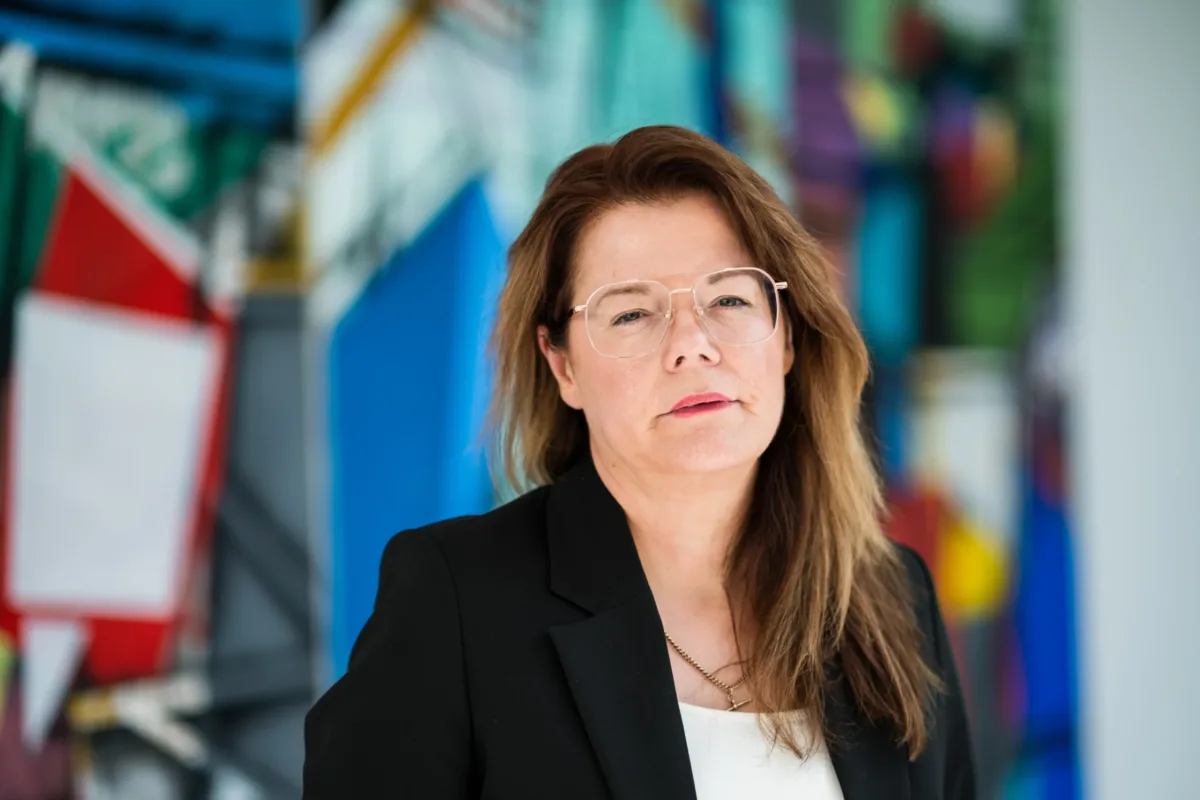
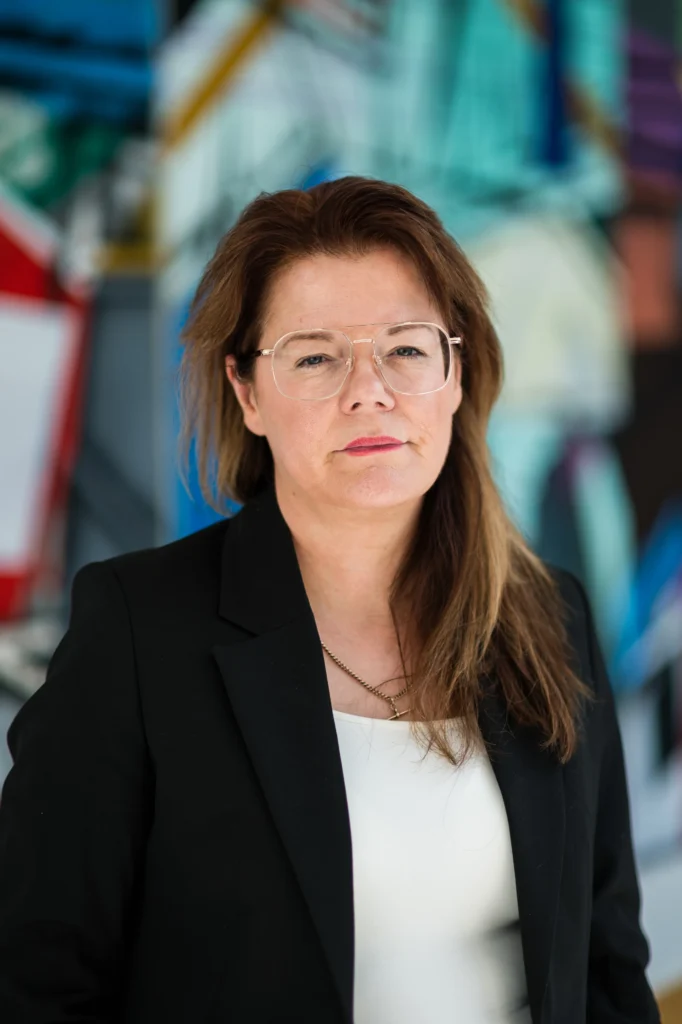
Dr Valerie McTaggart
While coworking spaces are often promoted as a solution to isolation among remote workers, her research suggests that meaningful connections do not emerge automatically.
Remote and hybrid working in Ireland has grown dramatically, rising from 20.3% of the workforce in 2019 to consistently more than one-third of workers in recent years, according to the Central Statistics Office.
What began as a temporary pandemic response has become a long-term transformation of how, where, and why people work.
The study, “An investigation into how coworking spaces can be developed to support end user buy-in,” suggests that the future of working in Ireland is being shaped by three ingredients: space, community, and professional value.

The promise (and reality) of coworking
Coworking has expanded rapidly, with an estimated 42,000 coworking spaces worldwide. In Ireland, government initiatives, such as the Connected Hubs programme, allocated €8.8 million to 117 projects in 2021 and a further €5 million in 2022 to enhance facilities with hot desks, privacy booths and improved IT infrastructure.
However, the research found that the success of coworking spaces is determined less by the availability of desks and technology and more by the experiences they create for workers.
What really stood out,” Dr McTaggart shares, “was how much people’s experiences depended on the conditions around the work, not just the tools.”
Early conversations about remote work focused heavily on technology: laptops, broadband and video calls.
“We spent a lot of time asking whether remote work could work,” she says. “But far less time asking what people actually need for it to work well.”
The research found that workers who experienced meaningful engagement typically benefited from:
• A dedicated workspace
• Reliable digital infrastructure
• Clear boundaries between work and home
• Opportunities for social interaction
Without these supports, remote work could become isolating and difficult to sustain.
“People were working from kitchen tables while juggling childcare and homeschooling during lockdowns.”
Dr Valerie McTaggart
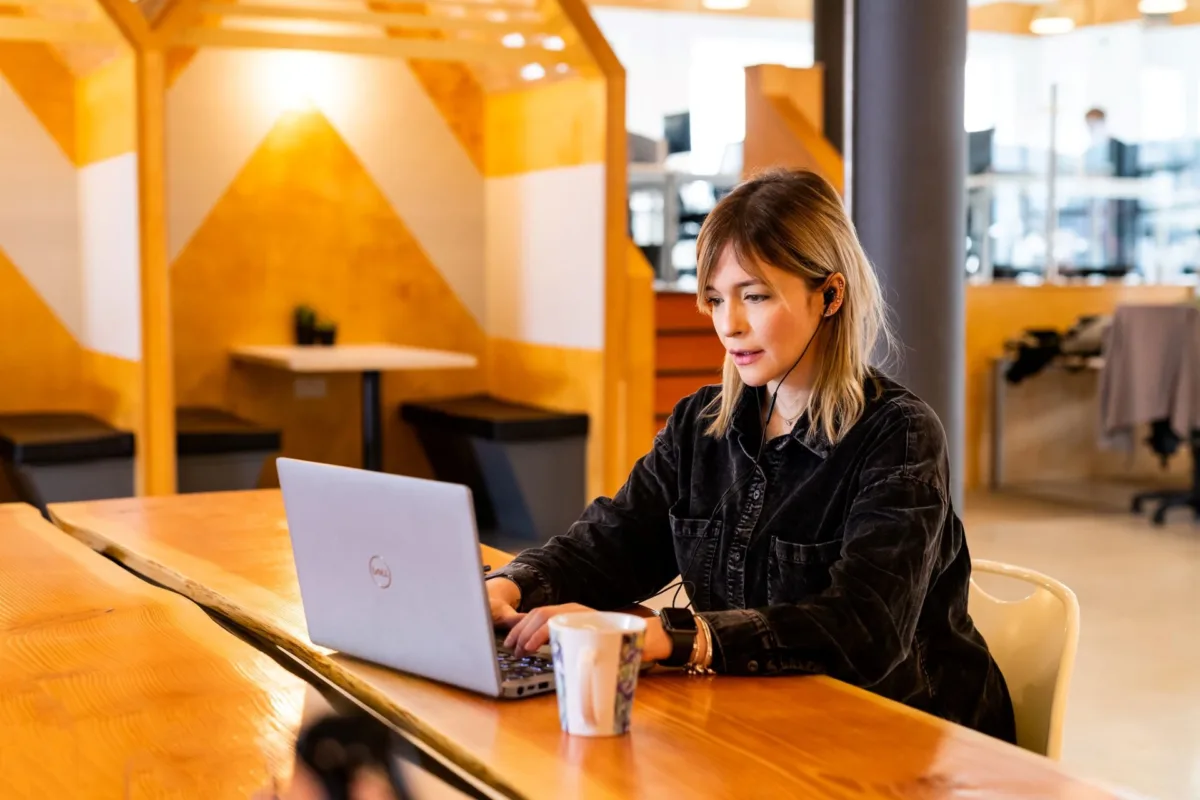
Drawing on engagement with 27 stakeholders, including coworking users, managers and policymakers, the research explored how coworking spaces can support long-term adoption and sustainability.
The findings revealed that successful spaces consistently shared three characteristics:
• High-quality workspace design
• Active community facilitation
• Opportunities for professional development
When these elements aligned, coworking users reported stronger professional relationships and a greater sense of connection.
Designing the future of work — with workers in mind
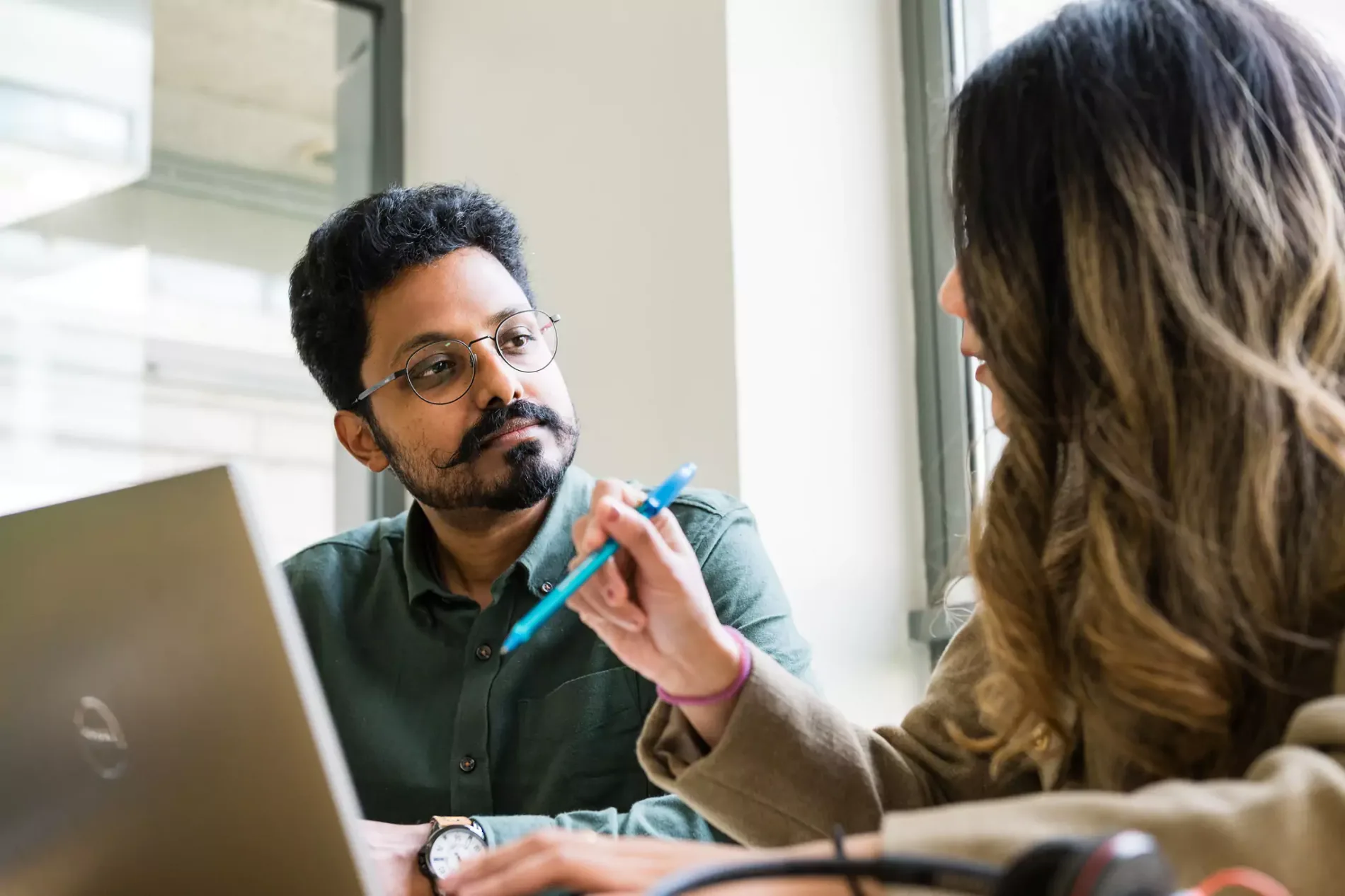
Local authorities, enterprise agencies, and employers are investing heavily in remote work hubs and coworking initiatives. But that infrastructure alone is not enough.
Through surveys of remote workers and interviews with users, managers and policymakers, the study examined how people experience changing workplace models and what influences their willingness to engage with coworking spaces.
Across two studies, one message emerged consistently: flexible working has created new opportunities for people to live and work in the communities they choose:
This is game-changing for individuals, their families, and our region.
“It also takes pressure off large urban centres and revitalises local communities, whether you are working from home or availing of the facilities in a coworking space”, she adds. “This new way of working makes a real difference for everyone.”
The research also speaks directly to rural development and digital inclusion policy, where remote and hybrid work are increasingly central to regional growth.
The message from the research is clear: the future of work is not just about productivity. It is about connection.
This research was conducted in collaboration with Dr Christopher McLaughlin (Ulster University), Dr Geraldine Gorman, and Esther Quinn, bringing together perspectives on remote working and coworking in Ireland.
This article is based on ATU Research Commentary Series Issue 1, Understanding the Future of Work: From Remote Working to Coworking Spaces, drawing on peer-reviewed research by Dr Valerie McTaggart.
For media enquiries, contact:
Jorden McMenamin
Communications Officer
Tel: 074 918 6127
E: jorden.mcmenamin@atu.ie
The ATU Research Commentary Series is funded by RISE@ATU. RISE@ATU is co-funded by the Government of Ireland and the European Union through the ERDF Northern & Western Regional Programme 2021-2027.

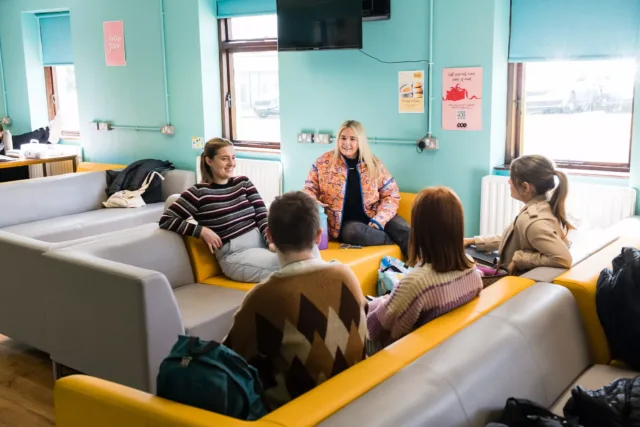
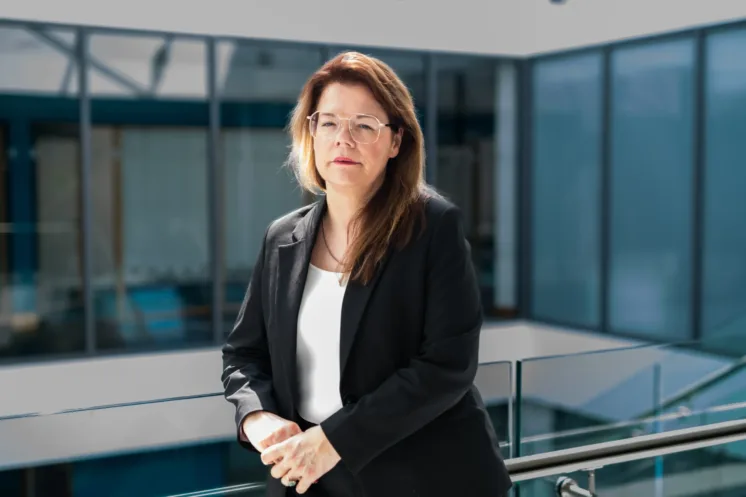
Featured Image: Dr Valerie McTaggart, Senior Lecturer and Researcher at Atlantic Technological University. Photos by Conor Doherty.