
Courses
Corncrake numbers up slightly in past five years thanks to conservation measures
The tide is turning slowly on this endangered species according to research by Dr Andrea Parisi— “Improving the Knowledge of Corncrake Ecology through Acoustic Monitoring and Airborne Thermal Imaging”
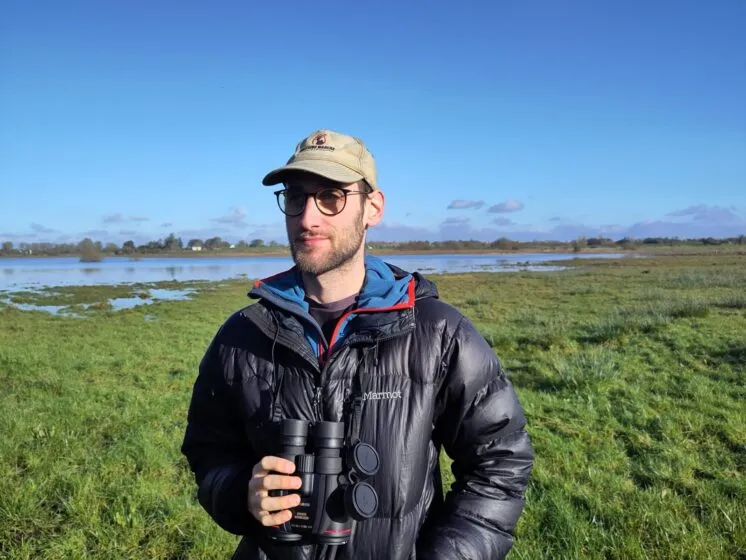
The Corncrake was once abundant in rural Ireland but became an endangered species (4,000 breeding pairs in the 1970s, 900 in the 80s, 150-200 in recent years) due to change in land use, intensification of agriculture, increased generalist predators, and recreation. But the tide is now slowly turning, according to the ecologist and researcher Dr Andrea Parisi whose PhD project “Improving the Knowledge of Corncrake Ecology through Acoustic Monitoring and Airborne Thermal Imaging” has been published in Global Ecology and Conservation (April 2025) and Conservation Science and Practice (January 2025).
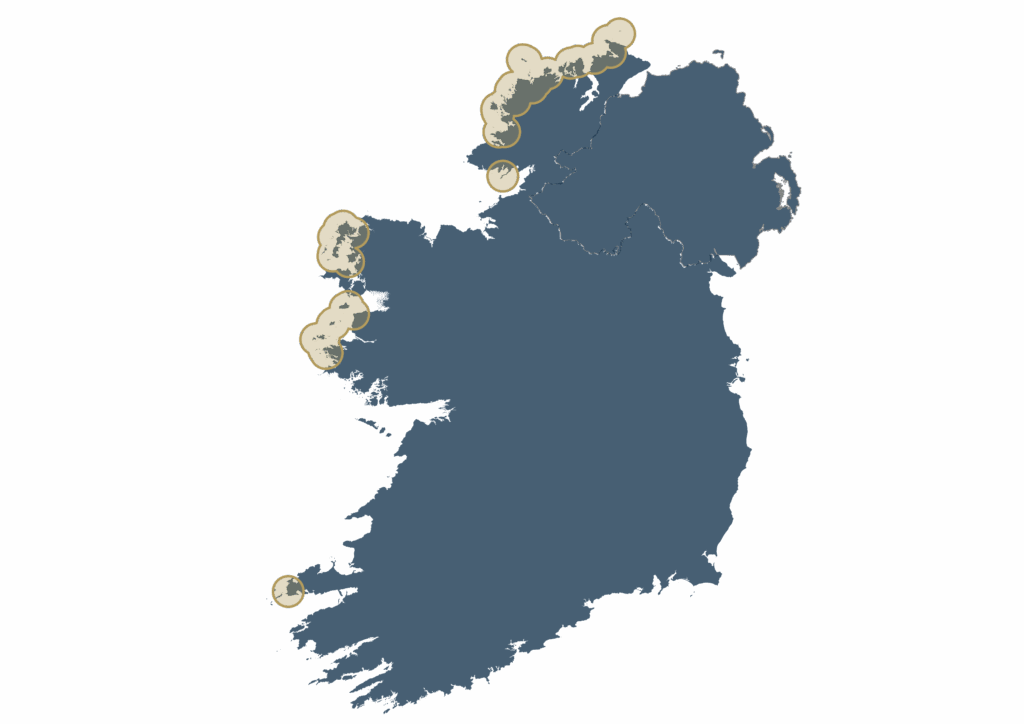
Supervised by ATU’s Dr James Moran and Dr Joanne O’Brien and Corncrake LIFE project manager Dr John Carey, Dr Parisi conducted his research in counties Galway, Mayo and Donegal between 2021 and 2024 using acoustic recorder devices and drones for airborne thermal imaging. His findings indicated that novel technologies can be used to count these birds and may help with the conservation of the corncrake. Thanks to the EU funded Corncrake LIFE project, numbers are steadily increasing since new conservation measures were introduced.
“Farmers and other stakeholders came on board, changing and adapting practices to protect these precious species and their habitats, for example leaving vegetation patches alone from February to September as nesting places and refuges for female corncrakes and their fledglings.” said Dr Parisi.
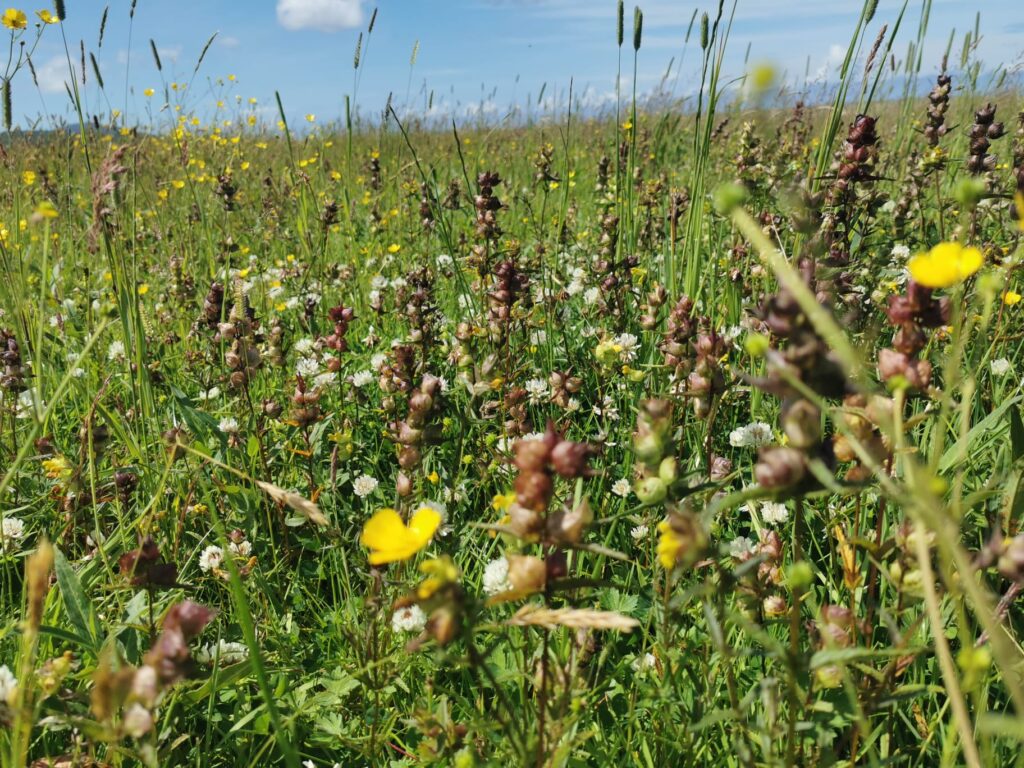
“Protecting the corncrake, along with breeding waders and other ground-nesting birds, helps safeguard far more than a single species. The corncrake is considered an ‘umbrella species’ meaning that conservation efforts focused on it also preserve the wider ecosystem of semi-natural grasslands. By maintaining these habitats, we create space for invertebrates, amphibians, and other ground-nesting birds such as the meadow pipits, skylarks, whinchat, and many more. Other birds are equally endangered and part of the Irish landscape and culture, for example Eurasian curlews (Crotach in Irish) are threatened with national extinction as only about one hundred pairs are left breeding in the country. The Northern lapwing (Pilibín in Irish) is the national bird of Ireland, and yet it is in dangerous decline. I’m hopeful, as there’s been a tide turn in the past few years with political will to undertake the issues around these species, which are ecologically and culturally challenging.
Corncrakes were part of the fabric and culture of old Ireland and hearing them evokes strong feelings. As part of the Corncrake LIFE conservation project, people from Dublin came to Mayo to listen to these birds. They reacted with amazement and joy. For many, it brought back memories of their early days and childhood. Corncrakes have a short lifespan of two to four years. In Spain, France, Germany and Italy (northern) where I’m from they are also extremely endangered.
Thankfully they are abundant still in Eastern Europe as land management practices there have not changed. Our research found there is more corncrake calling activity during a full moon and bright nights between 10pm and midnight (peak in late May/ early June); some corncrake may make up to 10,000 notes (calls) per night; each male may be identified by their unique call (with certain confidence); male corncrakes may disperse over greater distances in well-connected landscapes that include multiple vegetation strips left unmown or ungrazed by farmers until later in the season.” added Dr Parisi.
- The Corncrake LIFE project is co-funded by the European Union and the Government of Ireland. See: Home – Corncrake LIFE
- Read about Dr Andrea Parisi’s PhD paper in Conservation Science and Practice (Volume 7, Issue 1, Jan 2025) The Society for Conservation Biology
- Global Ecology and Conservation (Volume 58, April 2025)
Passive acoustic monitoring of an elusive rail, the corncrake (Crex crex): Calling patterns, detectability and monitoring recommendations – ScienceDirect

Picture captions [Photos by Dr Andrea Parisi]
Photo 1 Ecologist and researcher Dr Andrea Parisi.
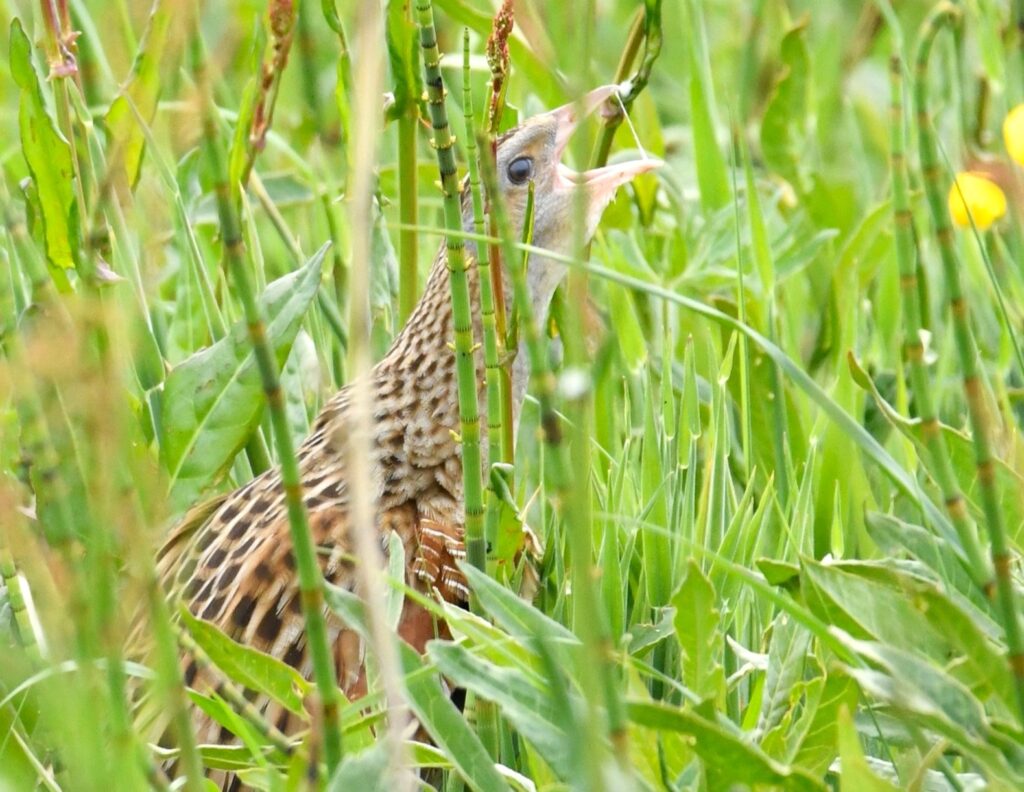
Photo 2 Male corncrake calling in site managed by Corncrake LIFE.
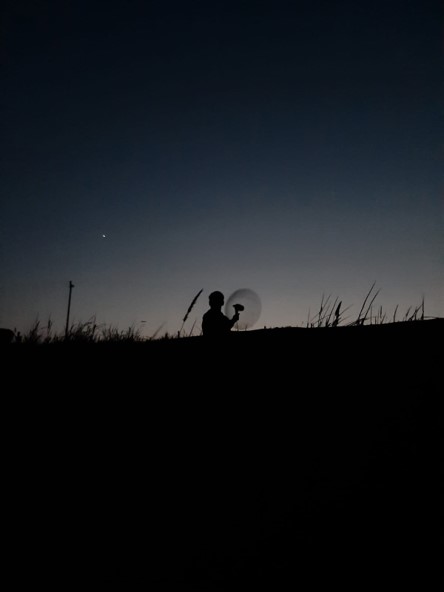
Photo 3 Acoustic monitoring recorder
Photo 4 Map of research area (Galway, Mayo, Donegal)
Photo 5 Semi-natural grassland. The favourite habitat of any corncrake (traditional nesting space for female corncrake and chicks).
This piece is part of Bright Minds, Big Impact, a series highlighting ATU’s research excellence and the people driving meaningful change.
For media enquiries, contact:
Regina Daly
Communications and Press Officer
Tel: 087 961 8355
E: regina.daly@atu.ie