English
Gaeilge
ATU researchers involved in €2.8 million project to stop plastic before it reaches the sea
A €2.8 million European research project designed to intercept plastic pollution in rivers before it flows into the sea.
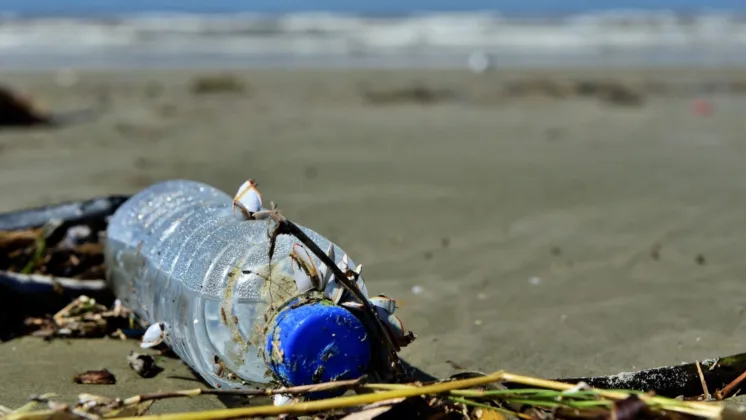
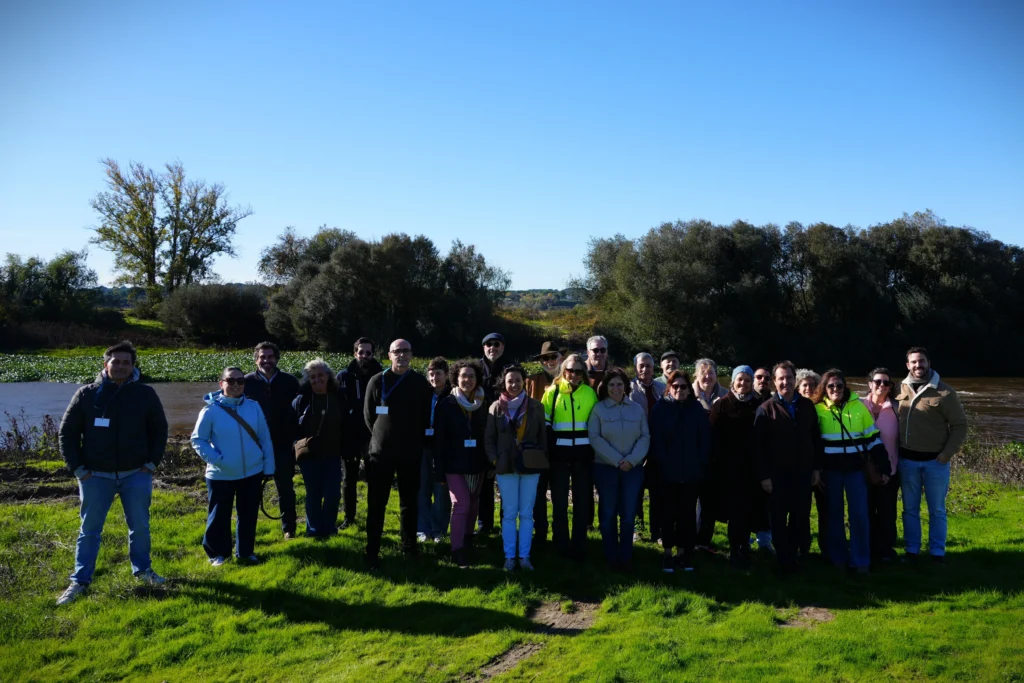
The Interreg Atlantic Area Programme-funded initiative, led at ATU by Dr Róisín Nash, brings together university partners from Trinity College Dublin (TCD), France, Portugal and Spain, including aquatic ecologists and geomorphologists.
The project called TRAP (Transforming Rivers by Reducing Aquatic Plastic Pollution) proposes eco-friendly solutions to reduce plastic litter reaching the Atlantic Ocean.
The team will design and test nature-based solutions (NbS) that will potentially use vegetation and natural riverbank features to trap plastics upstream, strengthening ecological processes rather than installing hard engineering barriers.
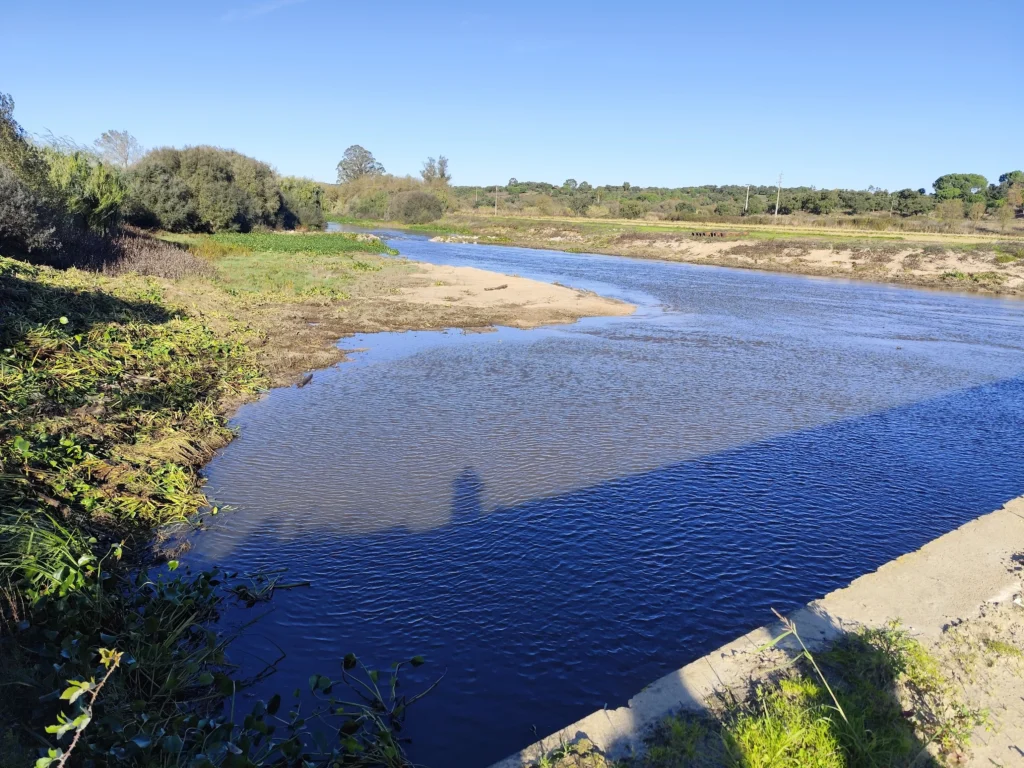
The selected field sites in Ireland and Spain reflect differing conditions across Europe, with Ballygow Farm in Co Wexford and Ulla river in Cantabria identified as potential river catchments.
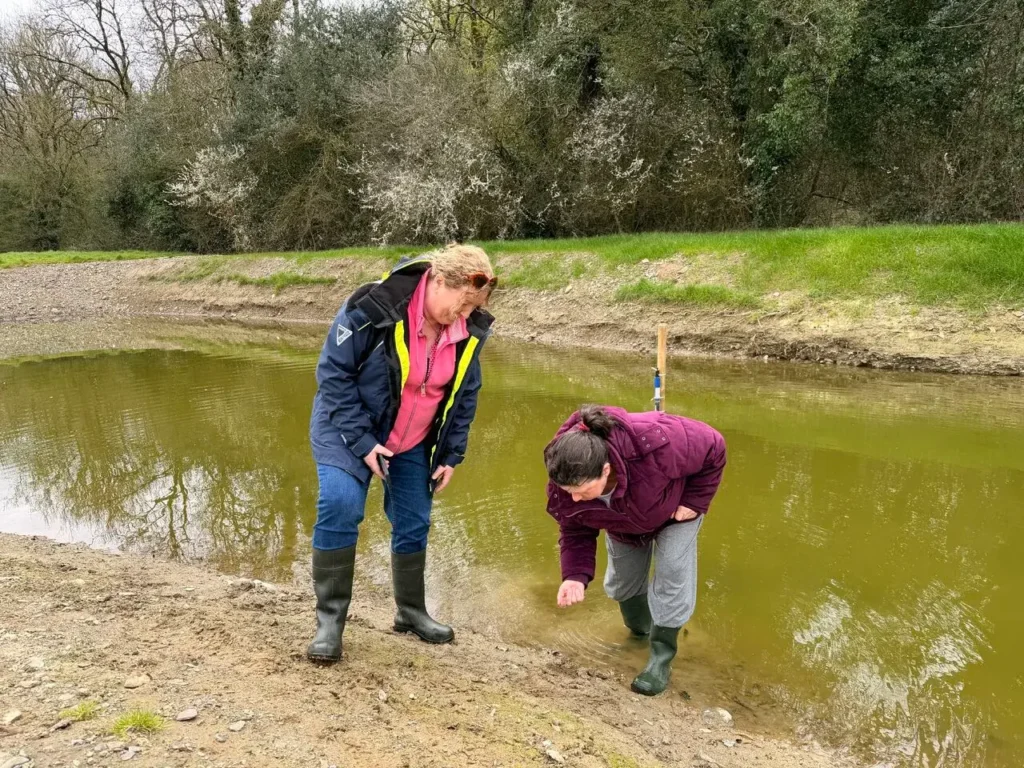
“Most marine plastic begins its journey on land” – Dr Róisín Nash
Plastic pollution remains one of the fastest-growing environmental threats, with much of the debris found at sea travelling first through river systems.
By targeting pollution earlier in that pathway, researchers believe the impact on coastal and marine ecosystems could be significantly reduced.
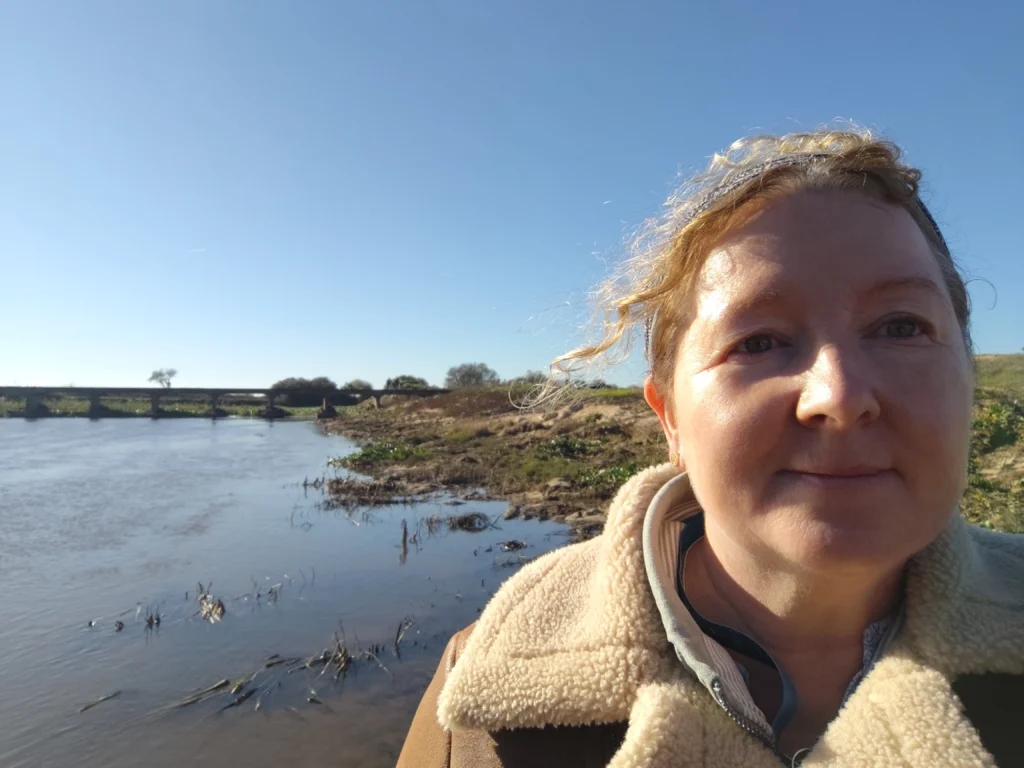
Dr Róisín Nash says the idea grew from observing how natural features already capture debris.
“As plastic floats downstream, these plants gently trap it, just like a comb catches knots in hair”, she adds. Our project designs these natural ‘combs’ so rivers can clean themselves.”
Rather than building concrete traps or installing mechanical skimmers, the team is enhancing riparian vegetation and natural structures, so they act as living filters.
The project combines ecological fieldwork, hydrodynamic modelling and real-time environmental monitoring to understand how plastics move through river systems and where they accumulate.
Early pilot observations suggest that even relatively small areas of dense riverside vegetation can capture significant volumes of both microplastics and larger debris.
“What excites me most is that the solution is natural, low cost and beautiful,” Dr Nash said. “Instead of building concrete barriers, we’re restoring habitats. Nature becomes the engineer.”
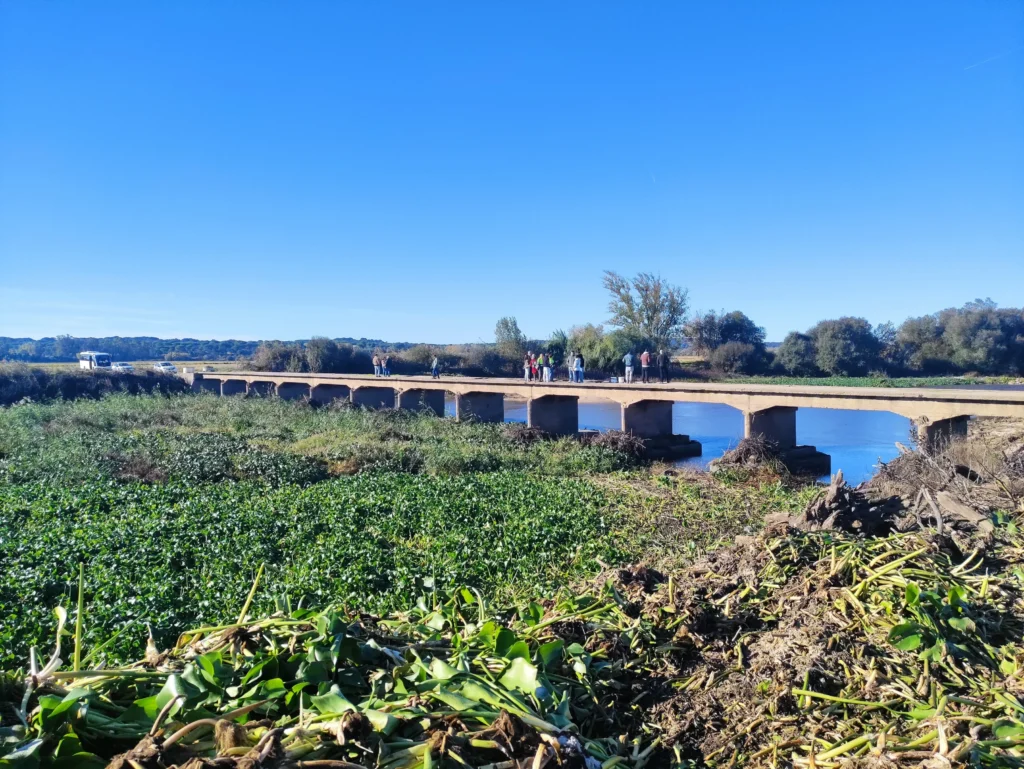
Funded through the Interreg Atlantic Area Programme, the project aligns with EU priorities on reducing plastic leakage, improving water quality and strengthening climate resilience.
Over the next three years, the team will monitor pilot sites across partner regions, publish open-access guidance for water managers and policymakers, and engage schools and community river groups.
The long-term ambition is to demonstrate that rivers can become active guardians against plastic pollution, reducing the flow of waste to the ocean while strengthening freshwater ecosystems.
The total project budget is €2,818,686.66, with the Irish allocation standing at €403,782.46, 25% of which is co-financed.

For media enquiries, contact:
Jorden McMenamin
Communications Officer
Tel: 074 918 6127
E: jorden.mcmenamin@atu.ie