
Courses
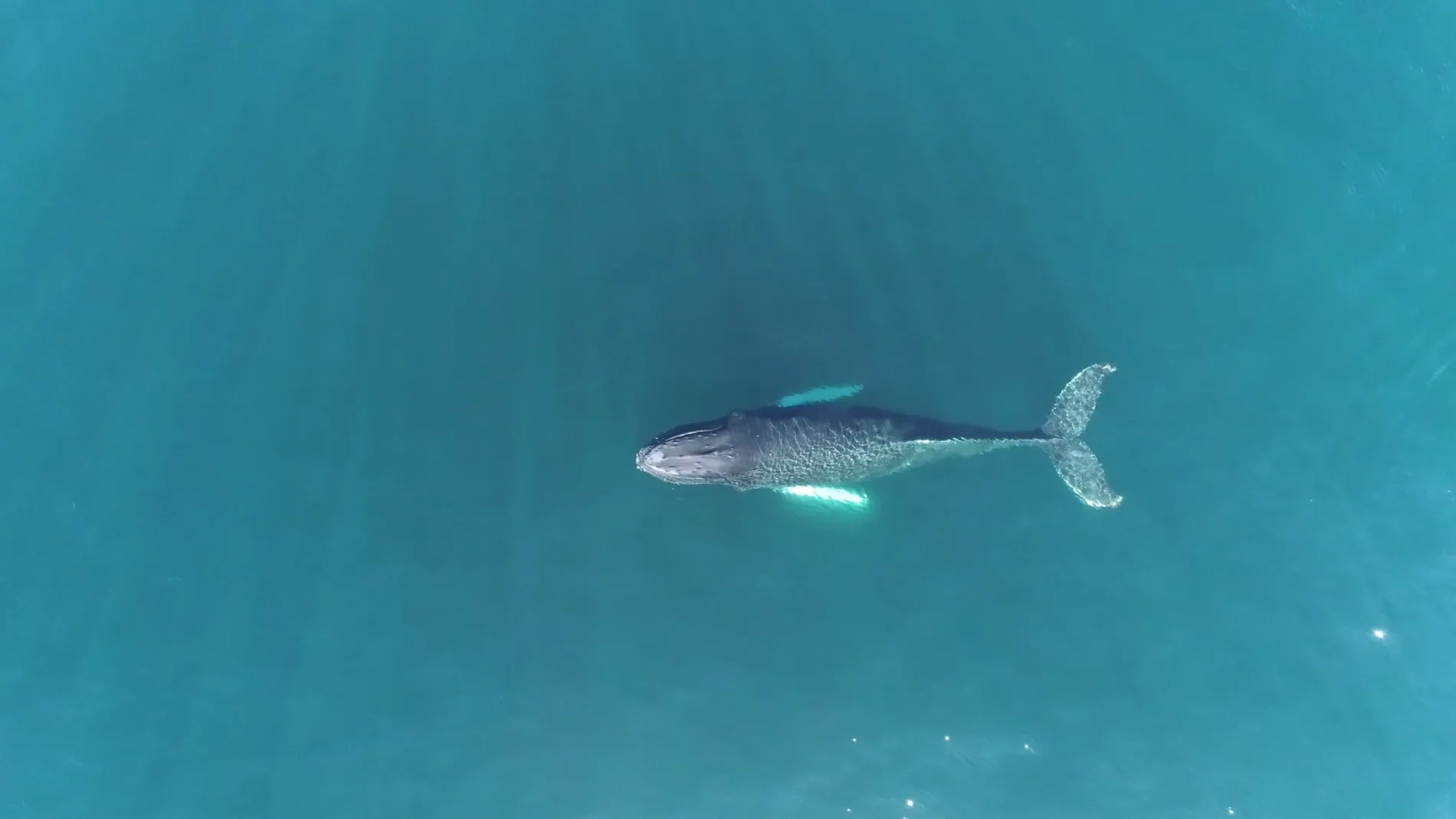
The secret lives of Ireland’s humpback whales
“Their presence should always be celebrated because it reflects a healthy and productive ocean. But it will never be guaranteed.”
Watching whale documentaries as a child in landlocked Madrid, Miguel Blázquez could never have imagined that one day his research would help reshape understanding of one of the world’s most iconic marine mammals.
The ATU graduate has completed pioneering research revealing that humpback whales are arriving along Ireland’s coastline earlier each year, a shift closely linked to rising global ocean temperatures. His work, carried out during his PhD and recently featured by RTÉ News, is helping scientists better understand how climate change is influencing whale behaviour while providing important evidence to support marine conservation.
Our findings show that Ireland is an important habitat for the species. Hopefully, this knowledge will help inform conservation measures and marine spatial planning in the years ahead.
Miguel Blázquez
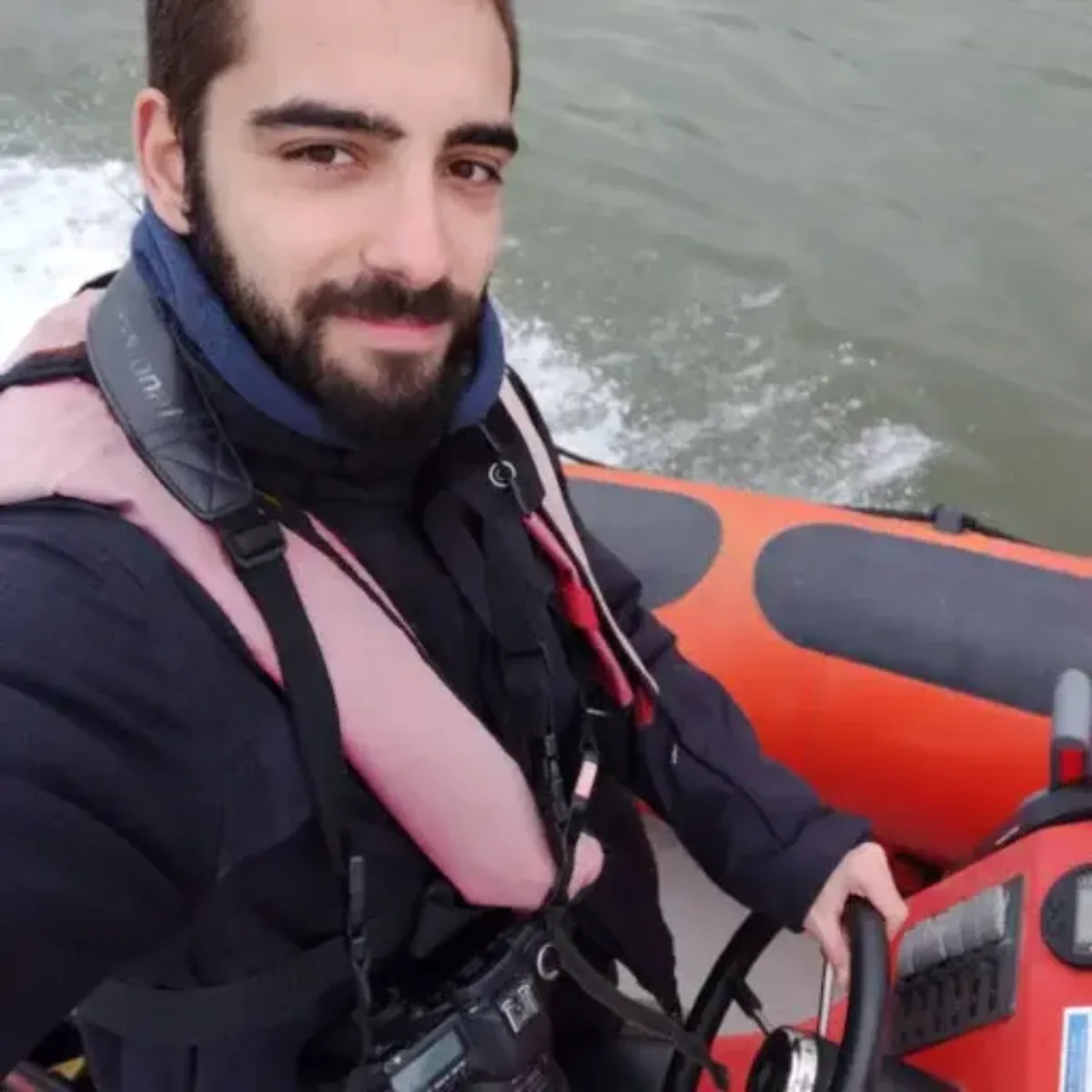
For Miguel, the journey began decades earlier.
Like many others, I was attracted to the sea and its creatures from a very young age,” he says.
“Despite growing up in Madrid, far from the coast, I developed a fascination with marine mammals. I spent countless hours watching documentaries and that fascination never faded.”
His childhood curiosity eventually led him to study biology before specialising in marine science through an international Master’s programme in Marine Biological Resources at what was then GMIT, now Atlantic Technological University.
It was there that Miguel met Dr Simon Berrow, a Lecturer at ATU and the Chief Executive of the Irish Whale and Dolphin Group (IWDG), who supervised his Master’s research on Shannon dolphins. The project resulted in Miguel’s first published scientific paper and laid the foundations for what would become his doctoral research.
“When the Master’s ended, I felt I wasn’t finished,” Miguel recalls. “Despite the COVID pandemic, Simon and I stayed in touch and began planning what eventually became my PhD on Irish humpback whales. It was really the fulfilment of a childhood dream.”
Miguel’s research analysed more than two decades of whale sightings collected by hundreds of citizen scientists through the Irish Whale and Dolphin Group’s Whale Track Ireland programme.
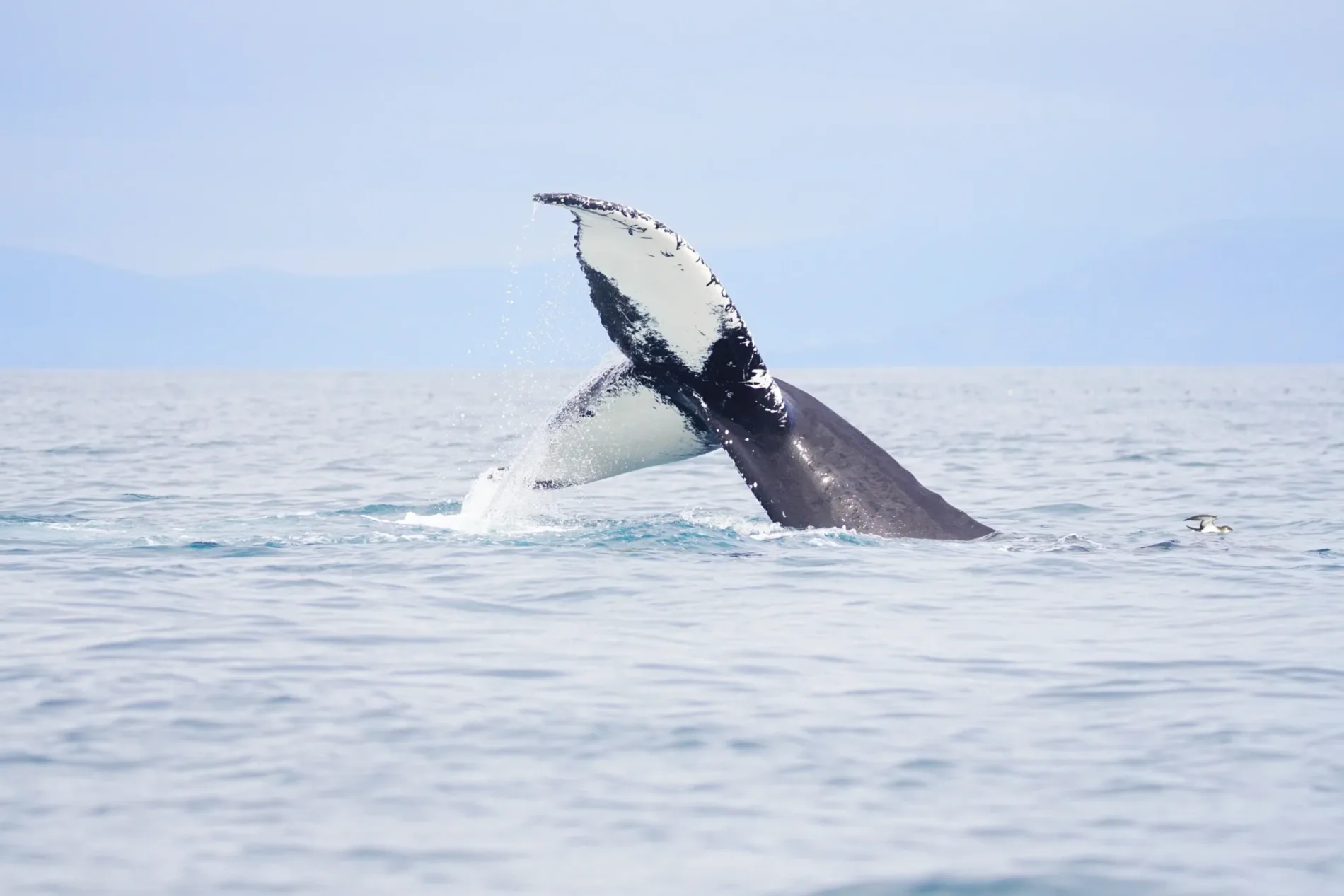
What he discovered surprised even him
“Some whales show an incredible loyalty to Irish waters, and even to particular locations within Ireland.”
His research also demonstrated that Ireland is much more than a stopover during the whales’ migration between Cape Verde and Arctic feeding grounds. Instead, Irish waters provide an important feeding ground where humpback whales replenish their energy reserves before continuing their remarkable journeys:
“We also found that their arrival patterns were very strongly correlated with global ocean temperatures, something we didn’t necessarily expect.”
“We found evidence that whales use Ireland’s coasts to feed on schooling fish, helping them build up energy reserves throughout their migration”, he added.
One of the defining features of the project was its reliance on data collected by volunteers.
Since 1999, hundreds of naturalists, whale watchers and members of the public have submitted sightings and photographs through the Irish Whale and Dolphin Group, creating one of Europe’s richest long-term datasets on humpback whales.
“The IWDG has done an extraordinary job collecting, managing and validating high-quality data. That voluntary effort is the foundation of everything we now know.”
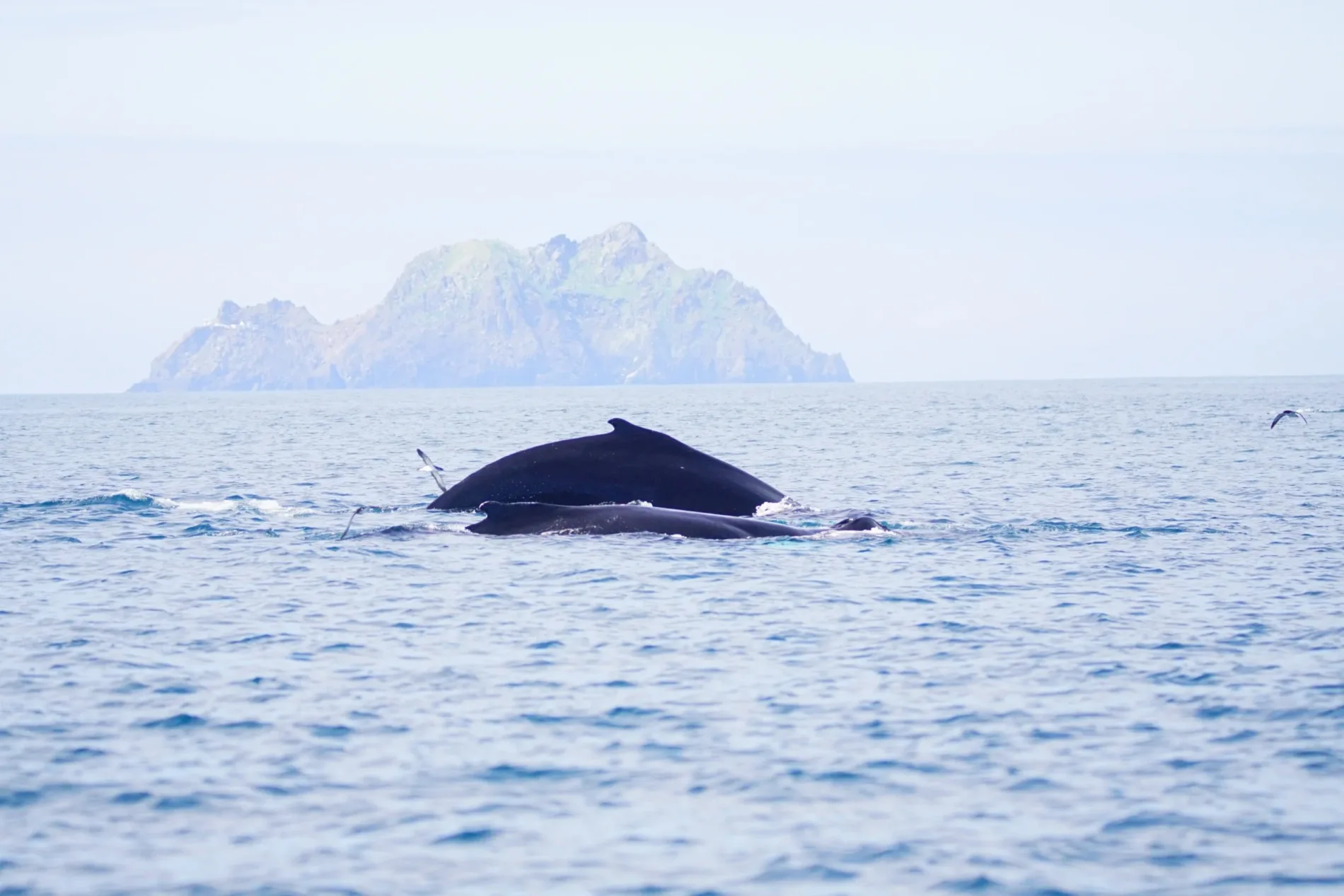
“None of this research would have been possible without citizen science.”
Beyond expanding scientific understanding, Miguel believes the findings have important implications for conservation.
His research demonstrates that Ireland is a significant feeding ground for humpback whales rather than simply part of their migration route, providing new evidence that can help inform marine protected areas, fisheries management and future conservation policy.
“Our findings show that Ireland is an important habitat for the species. Hopefully, this knowledge will help inform conservation measures and marine spatial planning in the years ahead.”
Now working in Spain on the country’s National Restoration Plan for marine ecosystems, Miguel says his time at ATU shaped both his career and his outlook as a scientist.
While seeing more humpback whales along Ireland’s coastline is undoubtedly exciting, Miguel cautions that their future depends on healthy marine ecosystems.
“Their presence should always be celebrated because it reflects a healthy and productive ocean, but it will never be guaranteed. If they can’t find food here, they’ll simply go elsewhere.”
For media enquiries, contact:
Ivana Hanjs
Communications Officer
Tel: 089 963 9559
E: ivana.hanjs@atu.ie