
Courses
The Farmer’s Yards
Supporting farm succession through social connection in later life.
This article is based on the ATU Research Commentary Series, a compilation of peer-reviewed research by ATU researchers.
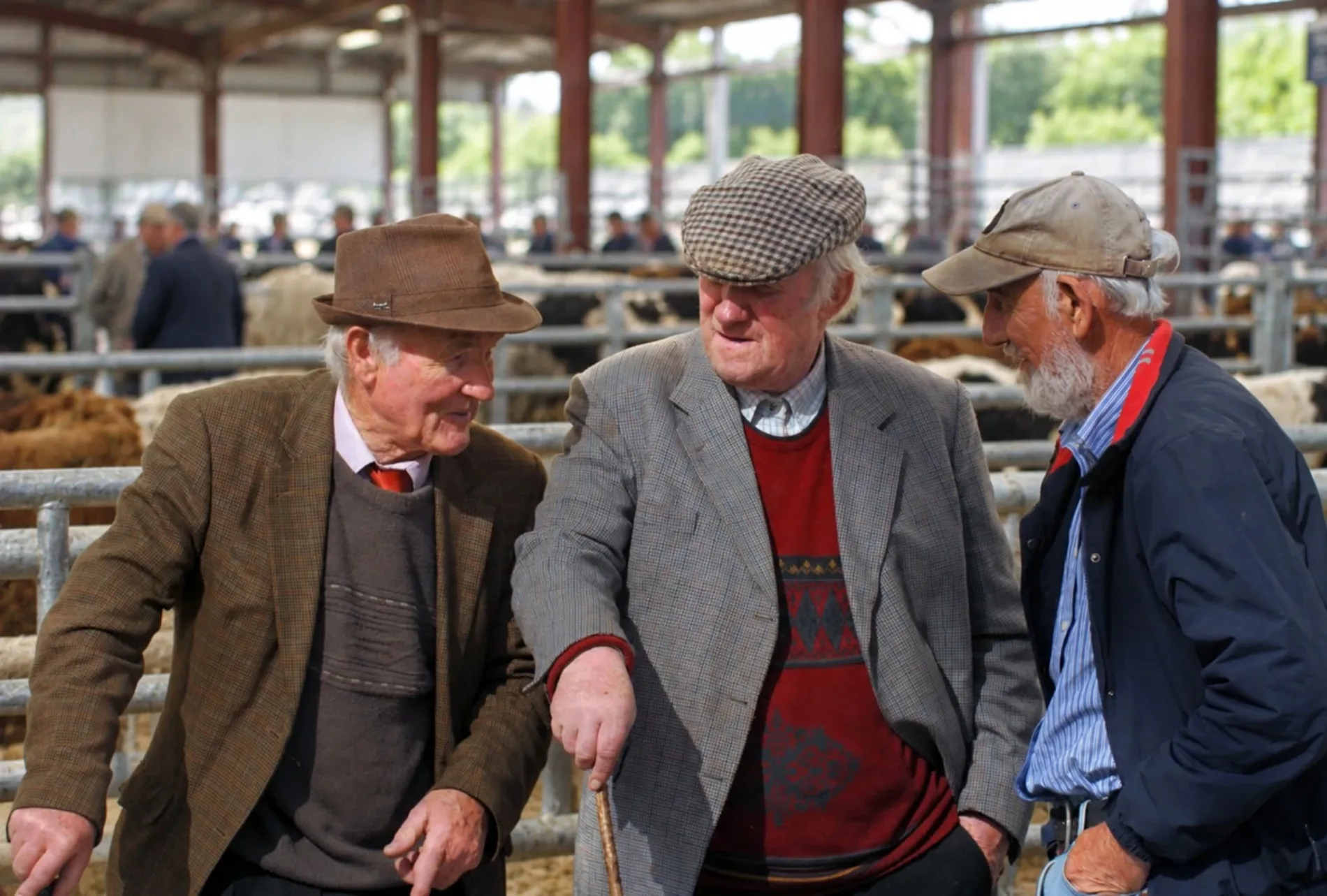
For many older farmers, stepping back from farming is one of the most significant transitions they will face in later life. Farming is not simply an occupation but a lifelong identity, closely connected to family, community and place.
Across Ireland and internationally, ageing farming populations, declining numbers of young entrants and growing concerns around farmer wellbeing have intensified discussions about how intergenerational farm transfer can be better supported.
Yet succession is often approached primarily through legal, financial and taxation considerations, while the emotional and social dimensions of the transition can receive less attention.
Isolation among older farmers is a real issue, particularly in rural communities where many traditional meeting places, such as the local post office, Garda station and parish priest, are no longer there. It is a serious problem that needs to be addressed.
Anne Mitchell, farmer and participant in the Farmer’s Yards project
The Farmer’s Yards approach
To address this challenge, Dr Shane Conway, Research Coordinator at ATU, is leading the development of the Farmer’s Yards initiative, building on research first undertaken at the University of Galway’s Rural Studies Centre and subsequently published in the Journal of Agromedicine.
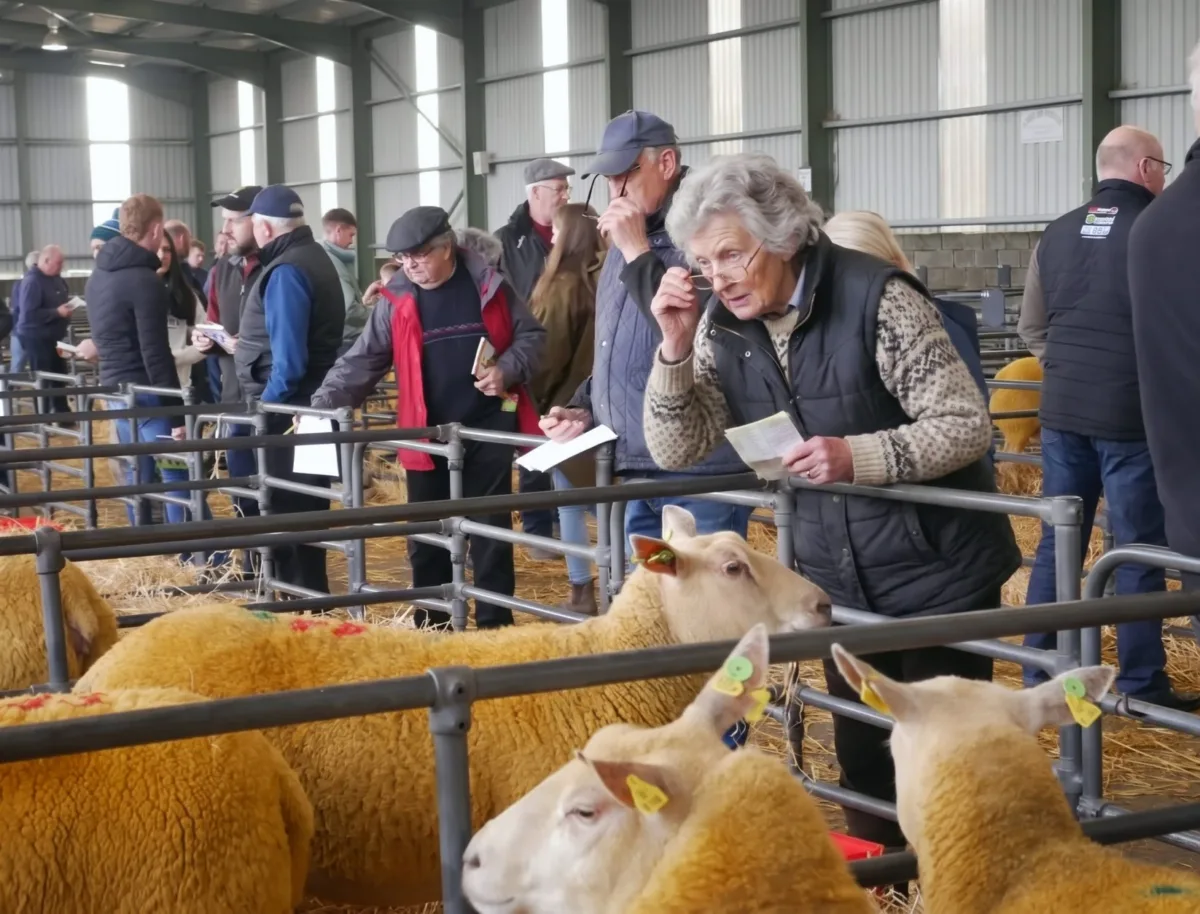
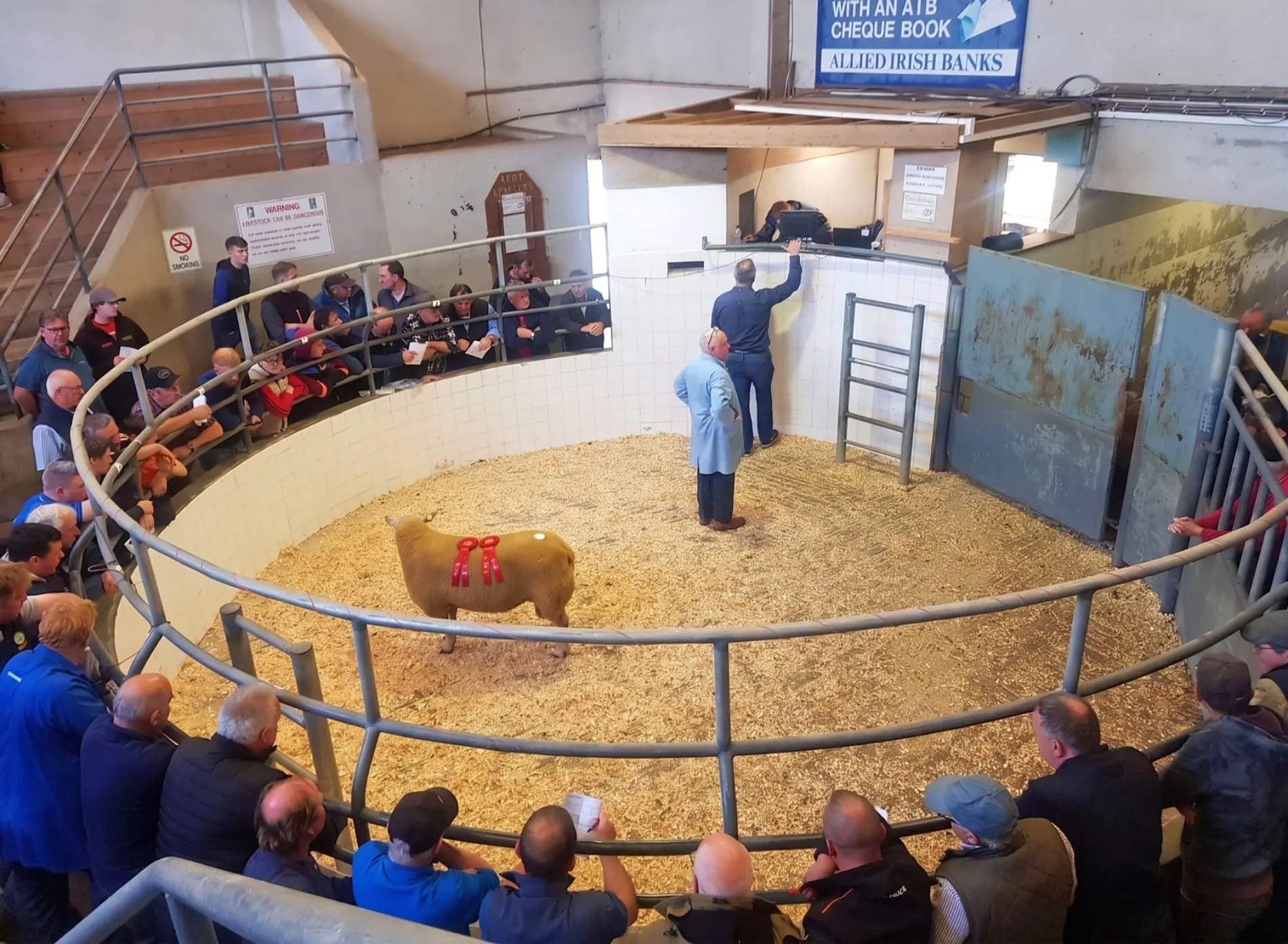
Farmer’s Yards is a wellbeing and social inclusion initiative designed to support older farmers, particularly those experiencing isolation, challenges associated with ageing, or difficulties related to succession and stepping back from active farming. The initiative is held in livestock marts, bringing farmers together in a familiar rural setting.
Dr Conway explains:
“Marts have always been much more than places to buy and sell livestock. They are trusted social spaces where farmers naturally come together to meet their peers. Farmer’s Yards builds on that by creating opportunities to discuss issues such as succession planning, mental wellbeing and farm safety, while sharing knowledge, experiences and maintaining connections with farming life.”
The Mountbellew pilot
Farmer’s Yards was piloted at Mountbellew Livestock Mart, Co Galway, in 2023. In the lead-up to the pilot, feedback from farmers at an Irish Farmers’ Association (IFA) meeting held at ATU Mountbellew helped further shape the initiative. Over a six-week period, more than 300 farmers participated, generating strong interest among farmers and service providers alike.
The pilot highlighted a previously unmet need for support alongside traditional succession planning services. Participants valued having a familiar, dedicated space to share experiences, learn from others and remain connected to farming life during periods of change.
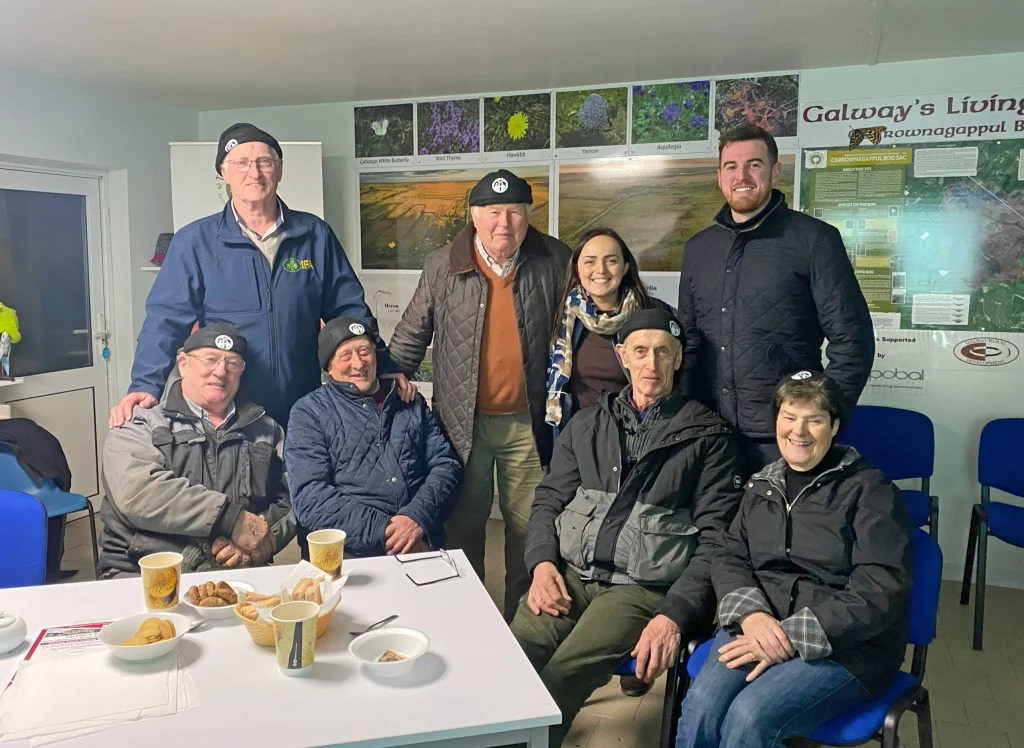
“Farmer’s Yards has built on the important social role of the mart by creating a welcoming space where farmers can talk openly about their problems or worries over a cup of tea, support one another and build new friendships. A problem shared really is a problem halved.”
– Anne Mitchell, farmer and participant in the Farmer’s Yards project
What the pilot revealed
The findings suggest that emotional wellbeing is an important, yet often overlooked, element of successful succession planning. The initiative demonstrated the value of creating opportunities for conversation and peer support throughout the transition process.
Importantly, the initiative challenges the assumption that stepping back from farming must mean withdrawal from farming life. Instead, it highlights the continuing role that older farmers can play through mentorship, community involvement and the sharing of knowledge and experience.
Collectively, the lessons learned point to the need for more holistic approaches to succession that recognise both the human and practical aspects of intergenerational farm transfer.
Farmer’s Yards demonstrates how a relatively simple initiative can create meaningful opportunities for engagement, support and knowledge exchange. By complementing existing advisory, legal and financial services, it helps address issues that can be difficult to discuss in more formal settings.
The model also supports wider European policy objectives relating to generational renewal, healthy ageing, rural wellbeing and sustainable farming communities, demonstrating how social innovation can support farmers through periods of transition in later life.
What’s next?
Following the success of the Irish pilot, Farmer’s Yards was adapted and introduced in Pennsylvania, USA, in January 2025 by Pennsylvania Farm Link (PFL). Supported by funding from the USDA National Institute of Food and Agriculture through the Northeast Extension Risk Management Education Centre, the rollout demonstrated the initiative’s international relevance and potential.
Interest in the initiative is also growing nationally. This has included engagement with Age Friendly Ireland following a feature on RTÉ Radio 1 in February 2026 and subsequent calls in Dáil Éireann for the initiative’s expansion in May 2026.
Farmer’s Yards was also showcased at the International Farm Transition Network (IFTN) Annual Conference in Gettysburg, Pennsylvania in June 2026, bringing the initiative to a global audience of researchers, educators and practitioners working in the area of farm succession.
Dr Conway adds: ” Farmer’s Yards has shown the value of combining research with the knowledge and experience of farmers themselves. Keeping farmers at the heart of the initiative will remain central to its future development, guided by the World Health Organization’s Age-Friendly Framework. Through my involvement with ATU’s Age-Friendly University Working Group, I hope to further strengthen the links between research, policy and practice in support of healthy ageing in farming communities”.
Acknowledgements
Dr Conway acknowledges the support of Mountbellew Co-Op Livestock Mart during the pilot phase of the Farmer’s Yards initiative, funded through the University of Galway Innovation Office’s Illuminate Programme. He also acknowledges the support of the USDA for the adaptation and implementation of the initiative in the United States.

This article is based on ATU Research Commentary Series Issue 10, Farmer’s Yards: Supporting Farm Succession through Social Connection in Later Life, drawing on peer-reviewed research by Dr Shane Conway.
The ATU Research Commentary Series is funded by RISE@ATU. RISE@ATU is co-funded by the Government of Ireland and the European Union through the ERDF Northern & Western Regional Programme 2021-2027.