

Courses
The future of pharmacy: A conversation with Marita Kinsella
Interview by Anne Donnelly
As pharmacy evolves to meet changing healthcare needs, ATU is preparing the next generation of pharmacists through education, research and industry collaboration. Marita Kinsella, Head of Department of Pharmacy & Pharmaceutical Sciences, discusses the future of the profession and ATU’s role in shaping it.
What recent developments will have the greatest impact on the role of pharmacists in Ireland over the next five years?
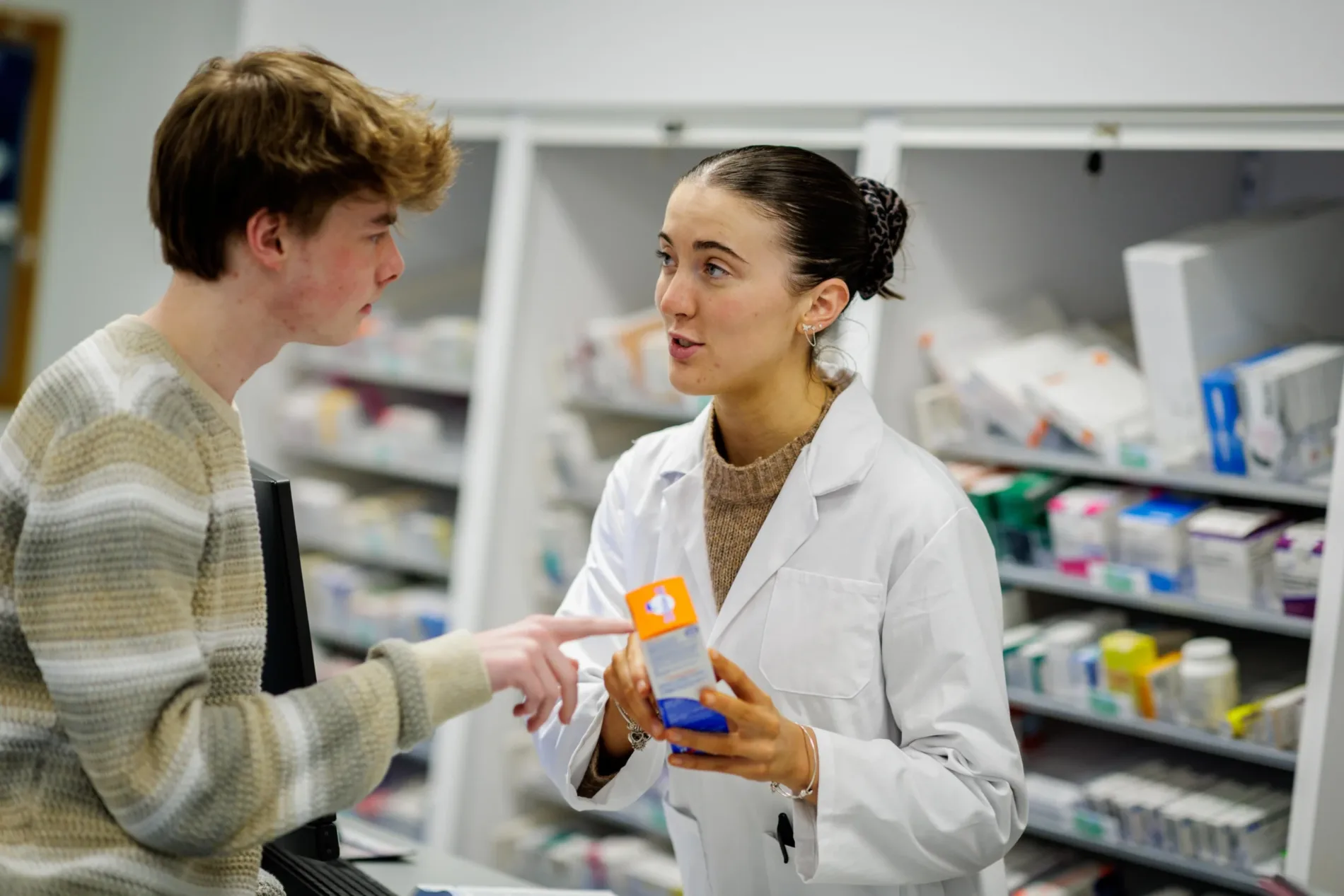
Pharmacy is a diverse profession, and pharmacists work in many different roles across communities, hospitals and industry in Ireland. Now is an exciting time to be a pharmacist in Ireland, as the profession is undergoing significant change and role expansion.
One recent initiative, expanding the pharmacist’s clinical role, is the new Common Conditions Service. It enables community pharmacists to provide advice and treatment options for eight common conditions, including cold sores, conjunctivitis and uncomplicated urinary tract infections.
Over the coming years, we are likely to see pharmacists take on further expanded clinical roles, such as prescribing medicines, which will further improve access to care and reduce costs for patients.
How is ATU preparing pharmacy students for the future of the profession?
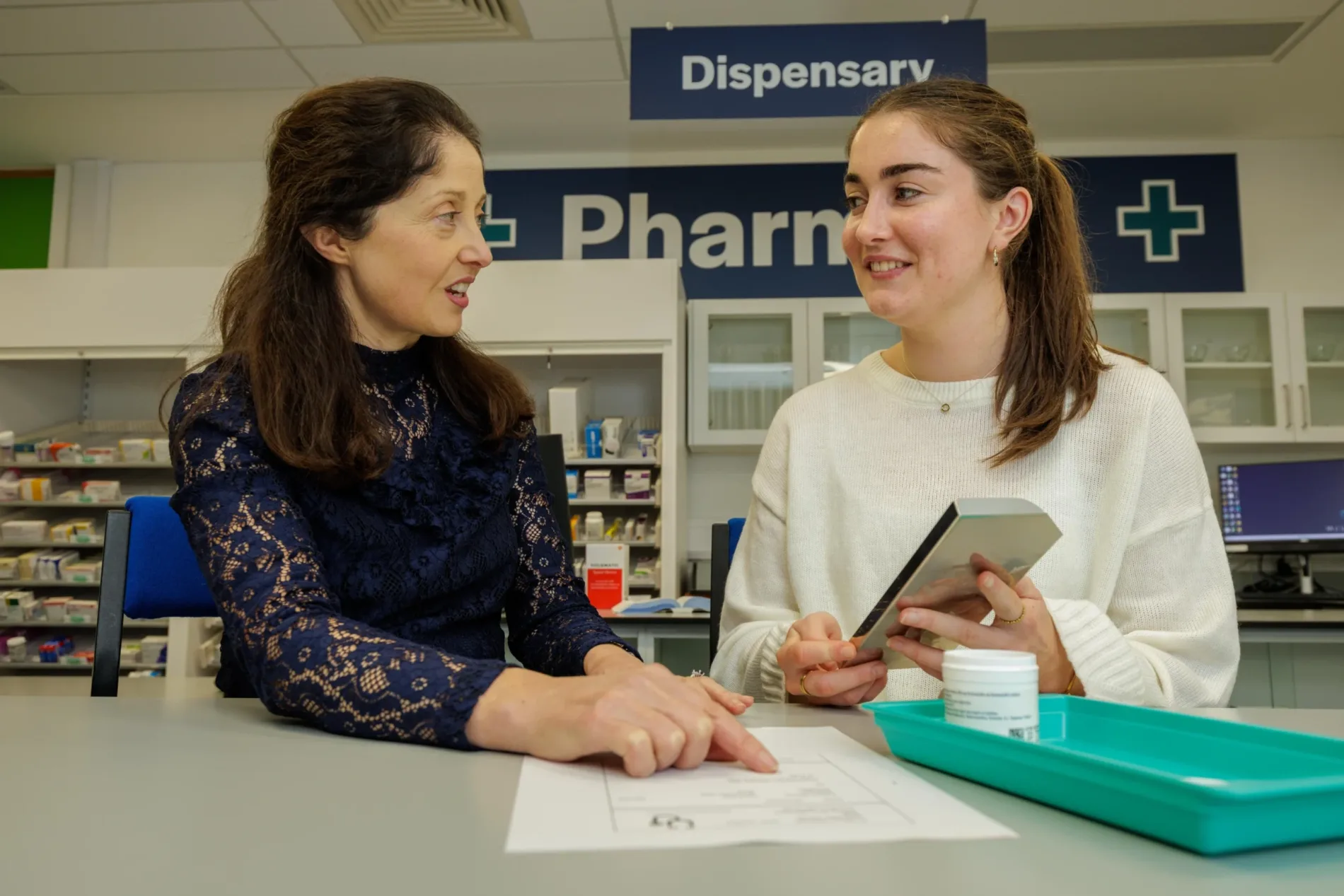
It is an opportune time to be rolling out the new integrated five-year Master of Pharmacy programme. Having successfully completed the first year of the programme, ATU will have its first pharmacist graduates in 2030.
These students are undertaking a future-focused programme following a research-informed curriculum that combines evidence-based pharmacy practice with cutting-edge pharmaceutical sciences, digital health and healthcare innovation.
How are advances in technology and personalised medicine shaping pharmacy practice?
Digital health technologies are becoming increasingly important across healthcare, and a major national digital transformation programme is now underway in Ireland’s health service, including the rollout of integrated electronic health records and e-prescriptions. These developments will change how pharmacists make clinical decisions and engage with patients.
AI-enabled decision support tools and digital therapeutics will become increasingly integrated into clinical decision-making and medicines management, and pharmacists will play a central role in supporting patients as they adapt to these technologies.
Precision medicine will also reshape pharmacy practice and medicines management. Advances in genomics, biomarker discovery and personalised therapeutics are enabling treatments to be tailored more effectively to individual patients while minimising adverse effects.
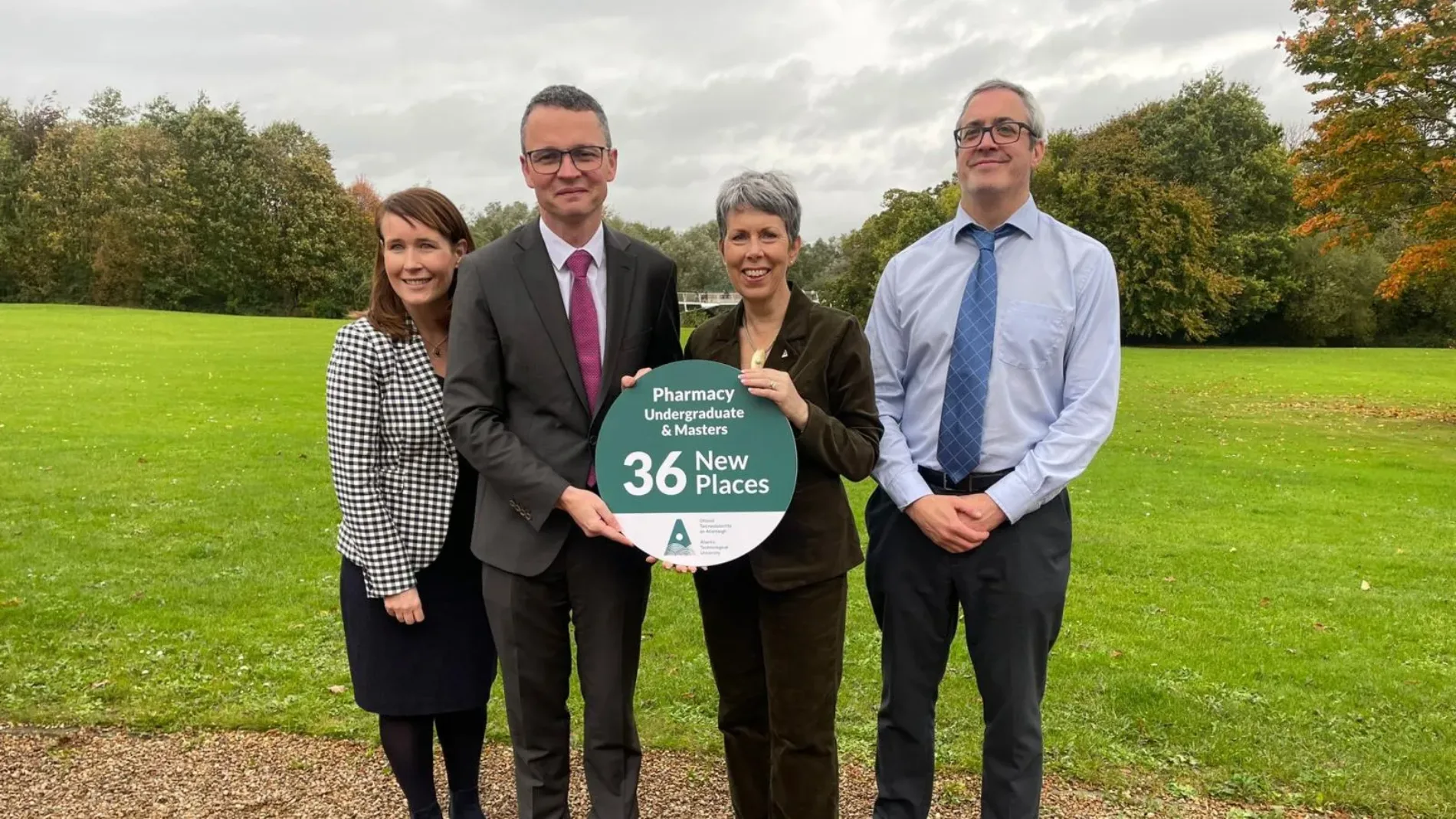
Having successfully completed the first year of the programme, ATU will have its first pharmacist graduates in 2030.
How is ATU contributing to advances in personalised medicine and the future of pharmacy?
Research within ATU, including work by Dr Rosemary Smyth on biomarkers of drug-induced liver injury and non-alcoholic liver disease, contributes to this field by advancing disease prediction, diagnosis and personalised therapies. Exposure to this research gives students experience in cutting-edge scientific approaches that underpin the future of personalised medicines.
Research and innovation are at the heart of our teaching, with the MPharm programme placing a strong emphasis on research-informed teaching and the development of research skills. Students undertake research projects in both their fourth and fifth years, developing skills in critical appraisal, data analysis and evidence-based practice that support lifelong learning and future careers in research and innovation.
How are partnerships with healthcare providers and industry helping ATU prepare graduates for the future of healthcare?
The future of healthcare depends on collaboration. No single profession, organisation or sector can address healthcare challenges in isolation.
We work closely with a wide range of stakeholders, including the pharmacy sector, the HSE and other health service providers, as well as the pharmaceutical, biopharmaceutical and MedTech sectors. They provide valuable input on programme development, research priorities and future workforce needs.
The development of biologics, gene therapies and RNA-based medicines will continue to drive demand for pharmaceutical sciences expertise. Through our engagement with industry, we understand the skills required in these rapidly evolving areas. Combined with our strong pharmaceutical and biochemical research and teaching, this helps ensure that our students are well positioned to contribute to the development, manufacture and effective use of these new therapies as they evolve.
How does collaboration across ATU support healthcare education, research and innovation?
We work with colleagues across the university from a range of health programmes to create opportunities for interprofessional learning, where students learn together and develop the skills needed to work effectively as future healthcare professionals. As patients, we all want to know that the professionals involved in our care are working together in our interests.
The same philosophy applies to research and innovation. Many healthcare challenges, including medicines optimisation, digital health, sustainability and chronic disease management, sit at the boundaries between disciplines. We collaborate across ATU to develop new knowledge and innovative solutions that make a meaningful difference for patients and society.
How is research within the Department of Pharmacy and Pharmaceutical Sciences helping to address healthcare and industry challenges?
A major strength of our department is the breadth of expertise across pharmaceutical sciences and clinical practice. Key research areas include pharmaceutical and medical technology innovation, translational sciences and clinical therapeutics, and medicines optimisation and future health, brought together under the overarching theme of sustainable health and supporting a One Health approach.
One exciting research project in pharmaceutical and medical technology innovation is being led by Dr Colm Fowley. Funded by Enterprise Ireland, the commercialisation project Nano Particle Solvent Remediation focuses on developing nanoparticle technology to recover and reuse waste solvents generated during the manufacture of pharmaceutical ingredients. Working with industry partners, Dr Fowley and his team, Dr Sean Doyle and Nathan Brewer, are developing solutions that reduce chemical waste and help make pharmaceutical manufacturing more sustainable.
Another example is the PEACEPLUS project, iMPROVE. During 2026, Mairead Casserly and Emma Jane Coyle from our department joined ATU’s iMPROVE research team.
iMPROVE is a €10 million cross-border health project focused on developing innovative, personalised care for patients in primary care settings. Participants from Donegal, Sligo, Derry, Tyrone and Tayside in Scotland will undergo pharmacogenomic testing, which helps clinicians understand how a person’s genetic makeup influences their response to medications. This information can be used to tailor treatments and optimise medication choices. The project aims to improve patient outcomes while supporting more effective use of limited healthcare resources.
Through these and other research projects, the Department of Pharmacy and Pharmaceutical Sciences is contributing to Irish society and industry by improving patient care, enhancing health services and developing solutions to key industry challenges