
Courses
How AI is giving clinicians time back with their patients
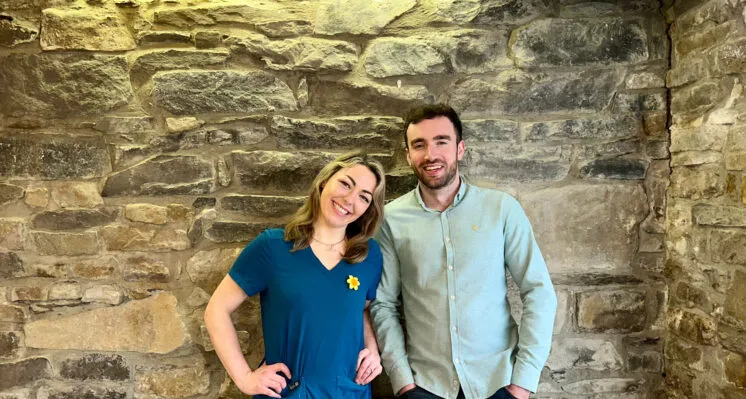
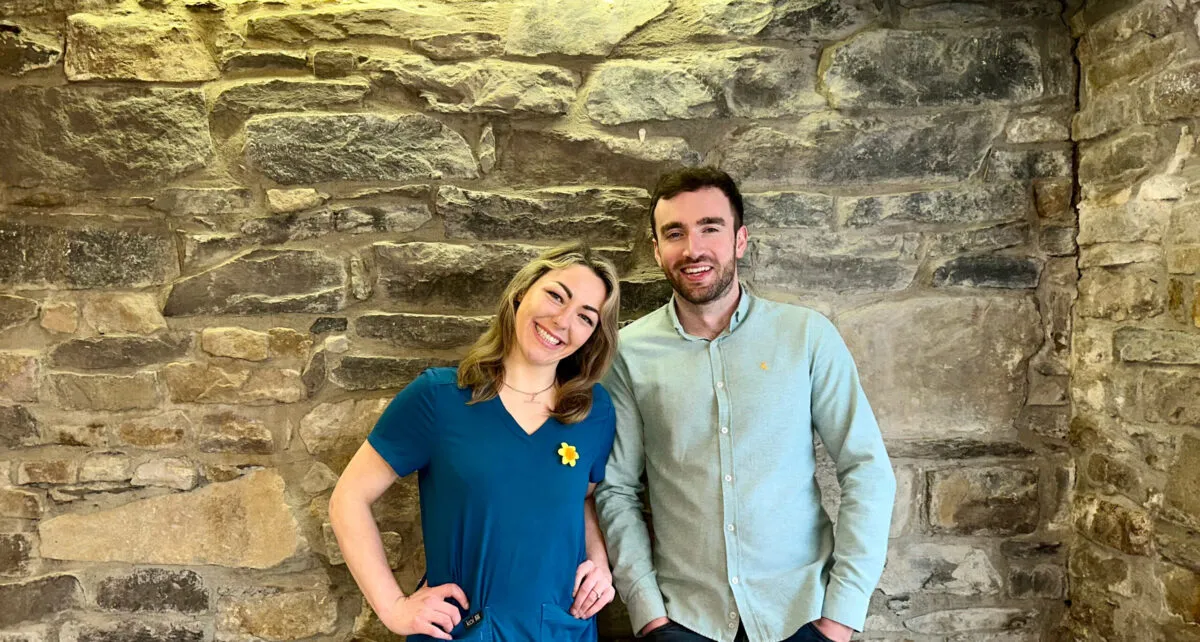
Clinic Notes AI founders Lucia Byrne and Chris Cornwall explain how artificial intelligence is reducing administrative burden and giving clinicians more time with their patients.
For many healthcare professionals, the working day doesn’t end when the last patient leaves. Hours are often spent writing notes, completing referral letters and catching up on clinical documentation.
For podiatrist Lucia Byrne, that reality meant evenings, weekends and even holidays were consumed by paperwork. Together with software engineer Chris Cornwall, they set out to solve the problem by creating Clinic Notes AI, an AI-powered clinical scribe designed to reduce administrative burden and give clinicians more time to focus on patient care.
Based in Donegal, Lucia is a podiatrist, and Chris is a software engineer. They launched Clinic Notes AI in September 2025.
With Clinic Notes AI, our goal is to turn hours of writing patient notes into minutes, increasing clinical capacity and reducing burnout amongst healthcare professionals.
Co-founder of Clinic Notes AI, Chris Cornwall
What inspired you to create Clinic Notes AI, and what challenges in your podiatry practice first highlighted the need for such a tool?
We opened our first podiatry clinic (Stride Foot & Ankle Clinic) in Donegal Town back in 2022. At the time, Lucia spent evenings, weekends, and even holidays finishing notes. We built the first version to solve our own problem, then realised the same issue exists across healthcare.
Research shows clinicians spend about 13.5 hours per week on documentation. That level of admin creates stress and burnout amongst healthcare professionals.
When exploring existing software solutions, what did you find lacking, and how did that influence the features you chose to develop?
We found that existing solutions did not integrate properly with the patient management software we used in our clinic, Cliniko. Clinicians still had to copy and paste notes, which added extra steps and reduced adoption. This led us to prioritise deep integration so notes flow directly into the patient record. Our feature set has been shaped by feedback from more than 250 users, which ensures the product reflects real clinical workflows.
Can you describe how Clinic Notes AI works during a typical consultation, from recording to generating structured patient notes?
The clinician records the consultation securely in real-time. The system transcribes the conversation and converts it into a structured clinical note, referral letter or patient summary within seconds. Once the clinician has reviewed the document, they can add it to the patient’s file with the click of a button.
How did you ensure the system could be customised for different practitioners and clinic styles, from solo podiatrists to larger multidisciplinary teams?
We focused heavily on flexibility within the integration. When a user logs in, they can import their existing treatment note templates that were previously used for manual notes. The system then generates notes in the same format with minimal setup.
Users can also add extra instructions to guide how notes should be structured and written. We track manual edits made to notes and apply those preferences automatically to future notes, which helps each clinician maintain their own style while keeping documentation consistent.
What advantages does Clinic Notes AI offer in terms of integration with practice management systems like Cliniko, and what integrations are planned next?
Our Cliniko integration sends notes directly into the patient record. Clinicians can also pull patient data from Cliniko to create referral letters and summaries, and set automatic template selection based on appointment type.
In our next release, users will be able to generate reports using historic treatment notes stored in Cliniko.
Cliniko is widely used in Ireland, the UK, Australia, and New Zealand, which supports our international growth. We plan to integrate with other major practice management systems. Fortunately, a couple of these providers have already contacted us about future partnerships.


Research shows clinicians spend about 13.5 hours per week on documentation. That level of admin creates stress and burnout amongst healthcare professionals.
From a technical and compliance standpoint, how did you approach data protection, GDPR requirements, and securing patient information?
Data protection was built into the system from the start. We use encryption in transit and at rest, strict access controls, and secure infrastructure. We follow GDPR principles and are building formal security certification. Trust and privacy are central to adoption in healthcare and we know this first-hand from experience in our own clinic.
What has the development and funding journey been like so far, and what future investment is needed to expand the system’s capabilities?
The product was mostly bootstrapped alongside support from the Local Enterprise Office through a priming grant and ongoing support from Enterprise Ireland through their New Frontiers program. Early growth has come from clinician referrals and direct outreach. We are now focused on scaling integrations and international growth. We’re also looking at options for future funding, such as the Pre Seed Start Fund through Enterprise Ireland and have seen considerable interest from a number of angel investors.
How has Clinic Notes AI impacted the practitioner–patient relationship, particularly in terms of restoring human connection during consultations?
I still remember the first time Lucia tried the prototype in our own clinic. Afterwards, I asked her how she got on, and her words were “this is life changing”.
Thankfully, we continue to get similar feedback from users all around the world. Clinicians can focus on the patient instead of typing. Eye contact and conversation improve and patients get access to summaries and action plans before they leave the clinic.
It’s a strange one, but with these types of tools, AI really does make the whole experience more human.
What are your future plans for Clinic Notes AI?
Our plans are to expand across the UK, Australia, and New Zealand whilst continuing to improve our offering and add new features. The long term goal is to become a market leader in our industry.
Would you recommend the New Frontiers Programme and why?
Absolutely. The programme provides mentorship, structure, and funding at a critical stage. Our programme manager, Geraldine Beirne, has gone above and beyond for every startup in our cohort and meets founders where they are, which is hugely important. New Frontiers has helped us validate our market, refine our strategy, and accelerate growth. We’ve also met some great people along the way.
Is there anything else you’d like to tell us before we finish?
I’d just like to say thank you for the interview and I’d like to advise anybody who’s thinking of applying for New Frontiers to go for it. Participating in it has opened lots of doors for us and I’m absolutely certain that we wouldn’t be as far along now if it wasn’t for all of the support we’ve received, both from Enterprise Ireland and our Local Enterprise Office in Donegal.
For media enquiries, contact:
Jorden McMenamin
Communications Officer
Tel: 074 918 6127
E: jorden.mcmenamin@atu.ie