Courses
84% feel they have “nothing to wear” — are local influencers the solution?
PhD researcher Madiha Rubeel explores how influencers shape the way sustainable fashion messages are received by young audiences.
A recent global study by Vestiaire Collective, a leading online marketplace for pre-owned luxury fashion, found that 84% of people report feeling they have “nothing to wear,” even with overfilled wardrobes.
What was revealed is that shopping behaviour is increasingly shaped online. Nearly 80% of Gen Z consumers say influencer recommendations affect their purchasing decisions, demonstrating the growing power of digital creators in shaping fashion choices.
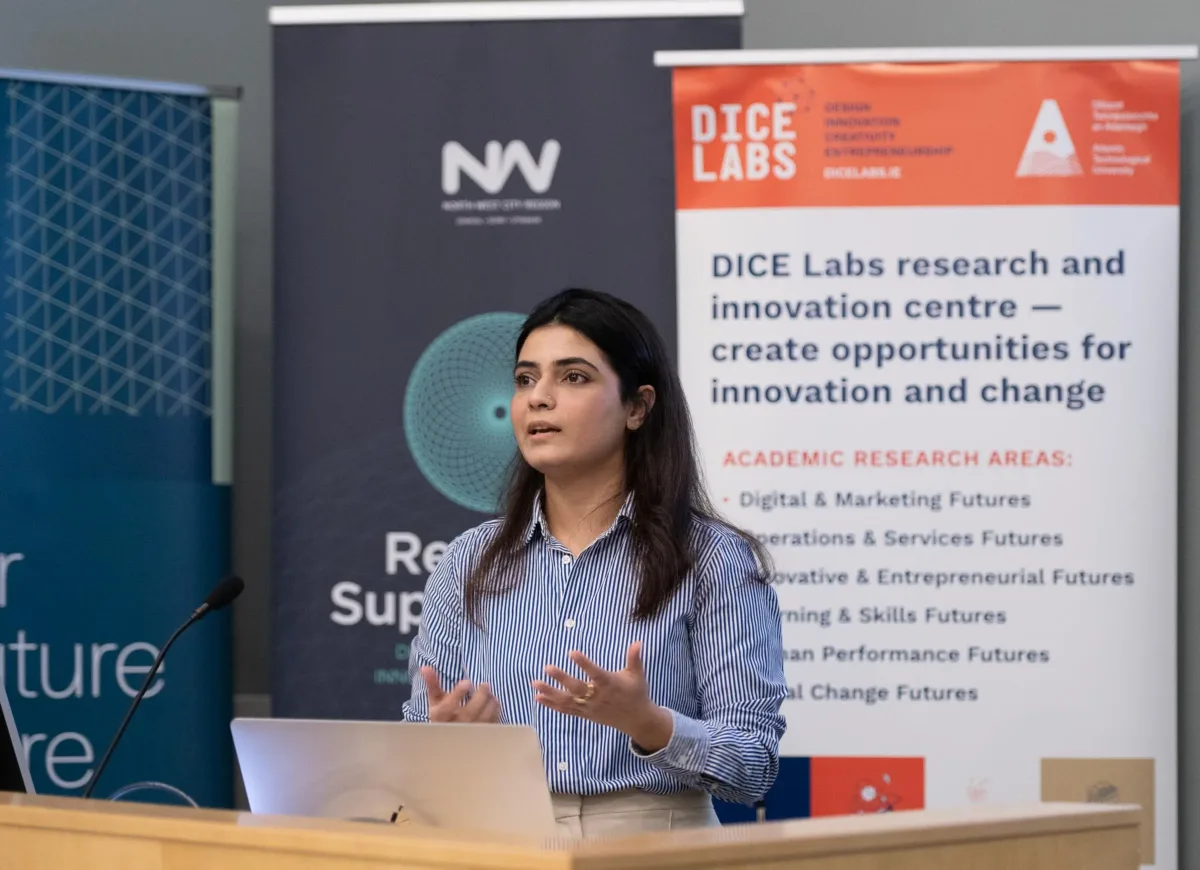
New research led by PhD student Madiha Rubeel at Atlantic Technological University is focusing on how this influence could be channelled to highlight sustainable habits.
Her work examines how influencers can help shape the way sustainable messages are received by young audiences.
“If we want sustainable fashion to move beyond good intentions, we need to communicate it in ways that resonate with young consumers,” she said.
Influencers have the reach and cultural relevance to make sustainability visible, relatable and actionable.
Madiha Rubeel, PhD researcher
Local influencers with global visibility
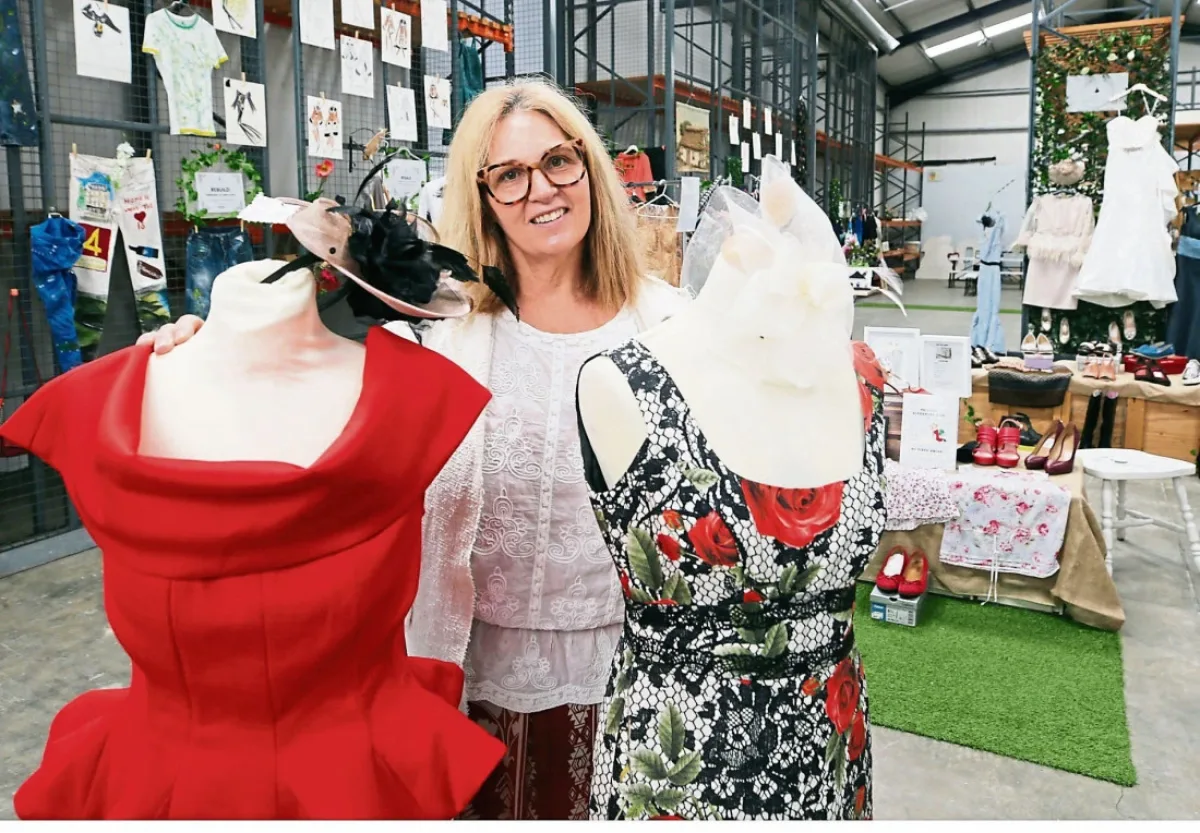
Sheila Clancy-O’Donnell, founder of Circular Dress Collaborative in Co Donegal, shared how working with local content creators has helped bring new audiences to second-hand fashion.
A recent collaboration with a micro-influencer in Donegal who used social media posts and video content to highlight her work around circular fashion attracted new visitors and prompted discussion locally.
When a micro-influencer visited my shop and created social media posts, it reached over 22,000 people. This shows the real power of relatable, local voices.
Sheila Clancy-O’Donnell, founder of Circular Dress Collaborative
Contradiction is the opportunity
Speaking on the IDEAS Podcast, Sheila shares how the future of fashion is linked to our current shopping behaviours:
“70% of Gen Z are influenced by what they see online, and about half will purchase items based on influencer recommendations”, she explains.
“Yet this generation is also deeply committed to sustainability.”
This drive to promote environmental changes to our purchasing habits has increased amongst newer generations, especially with brands like Shein and Temu dominating the fashion industry.
Given the rise of fast fashion exposure with advertising on TikTok, Instagram and YouTube hauls, it’s clear for them that what we market is what we buy.
For Sheila, “If influencers make re-wearing, repairing, swapping and buying second-hand feel desirable, sustainable fashion becomes aspirational. This is how we can shift habits, protect the environment, and inspire future generations.”
She shared how changing perceptions remains a key challenge: “Circular fashion will only succeed when people see second-hand clothing as something exciting and valuable rather than something to hide.”
Madiha explains that most research focuses on sales or brand awareness, leaving a gap in understanding how influencers can drive sustainable behaviour. Her work aims to fill that gap.
“Instead of asking whether influencers can sell the products, I am asking whether they can encourage more responsible consumption,” shares Madiha.
Research shows that how sustainability is communicated matters just as much as who communicates it.
“Storytelling, showcasing everyday sustainable practices, or framing sustainability in relatable ways makes it feel concrete and actionable for audiences,” she adds.
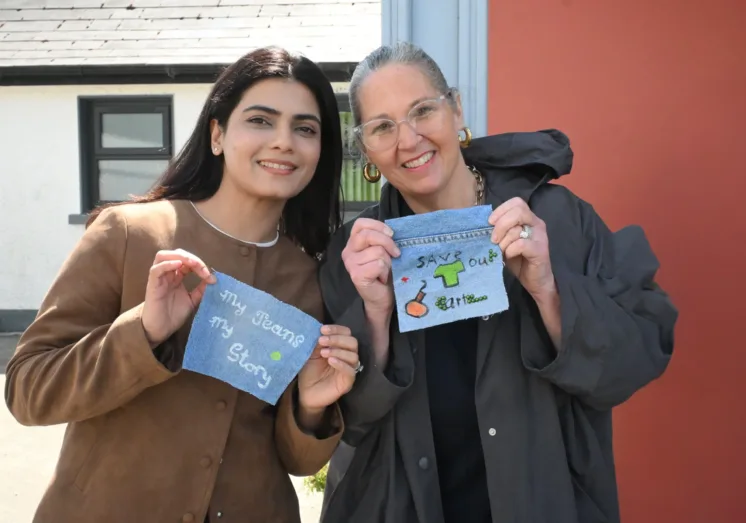
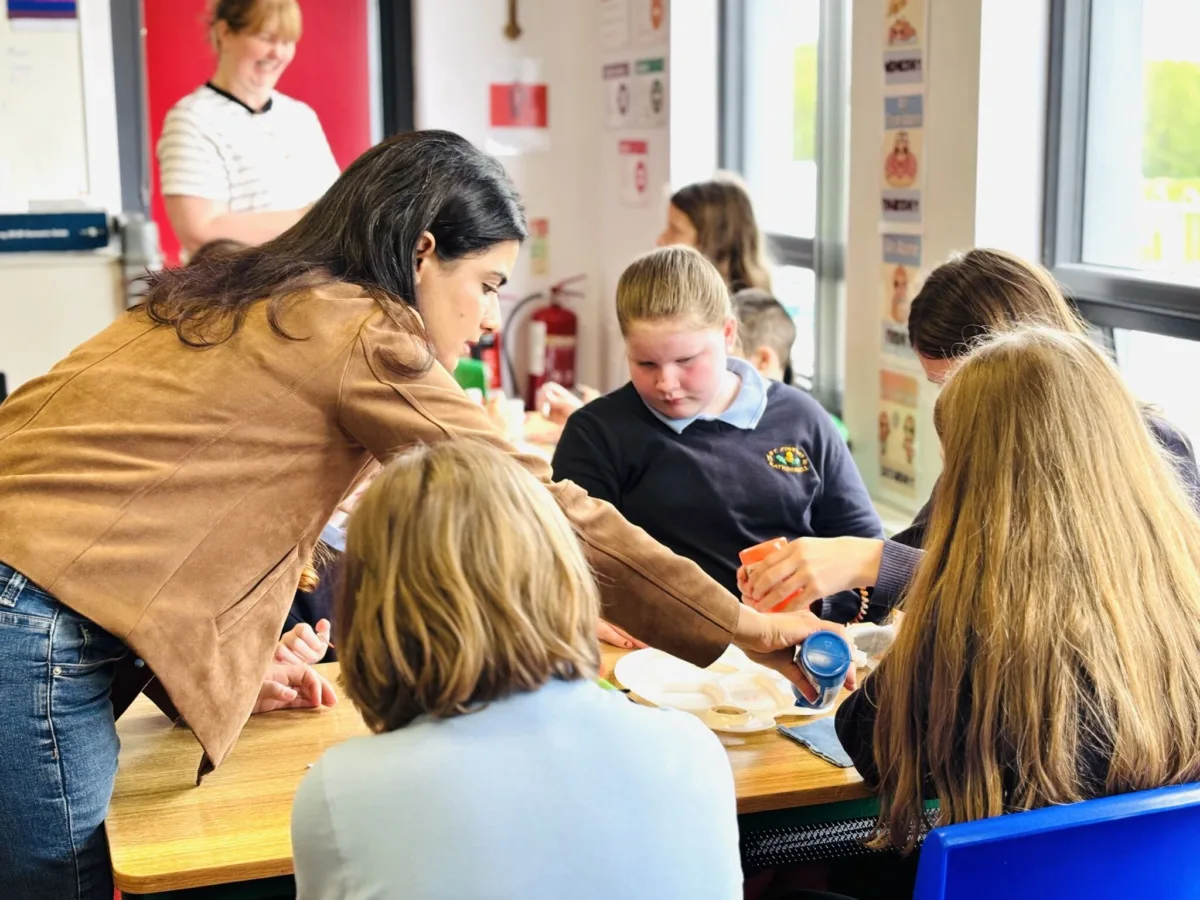
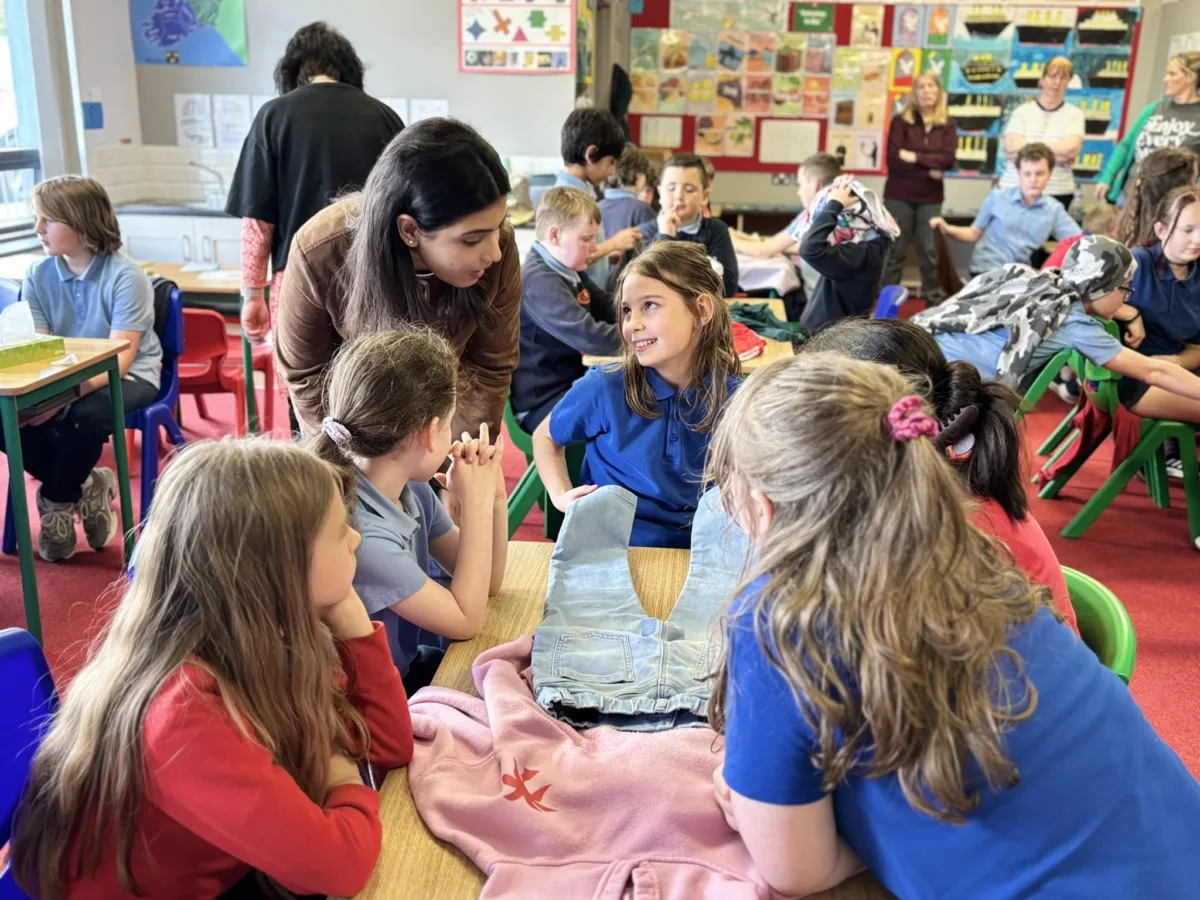
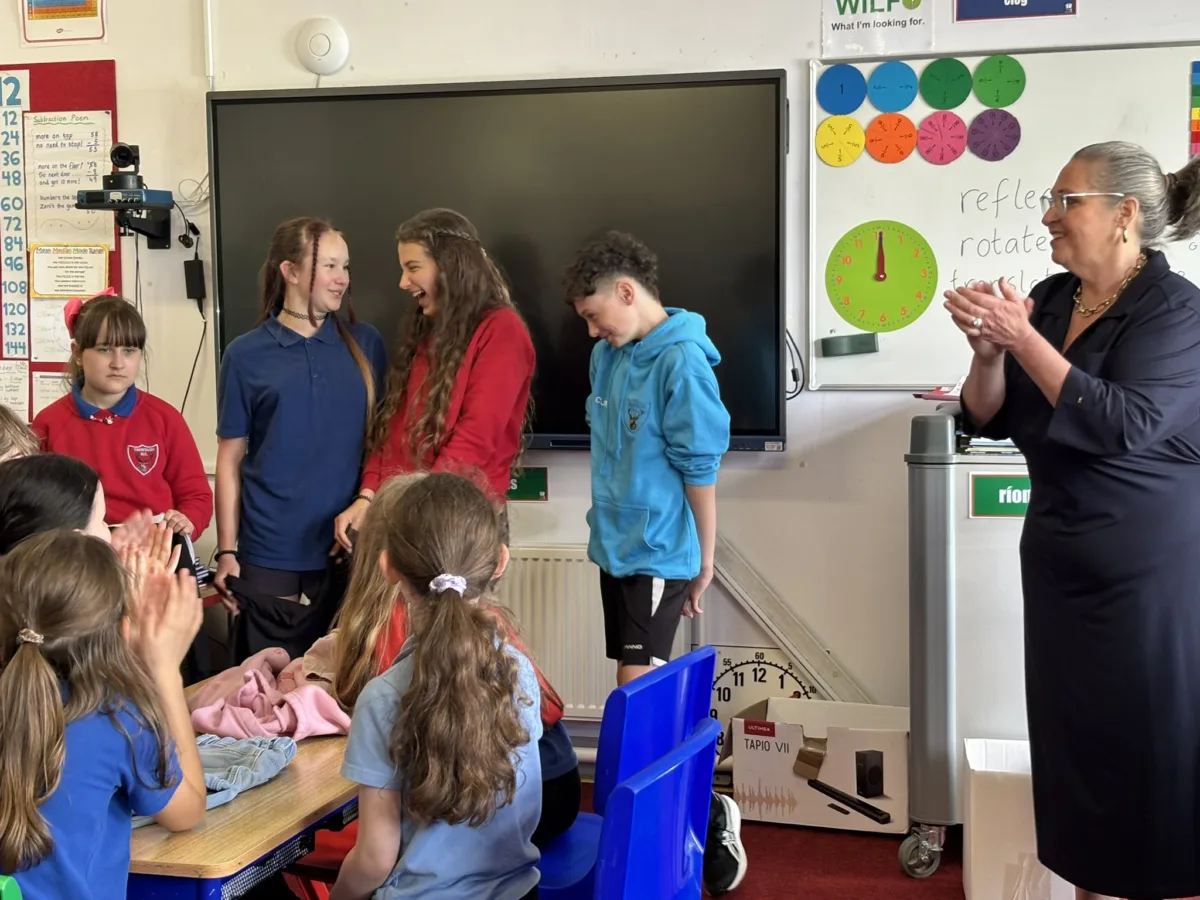
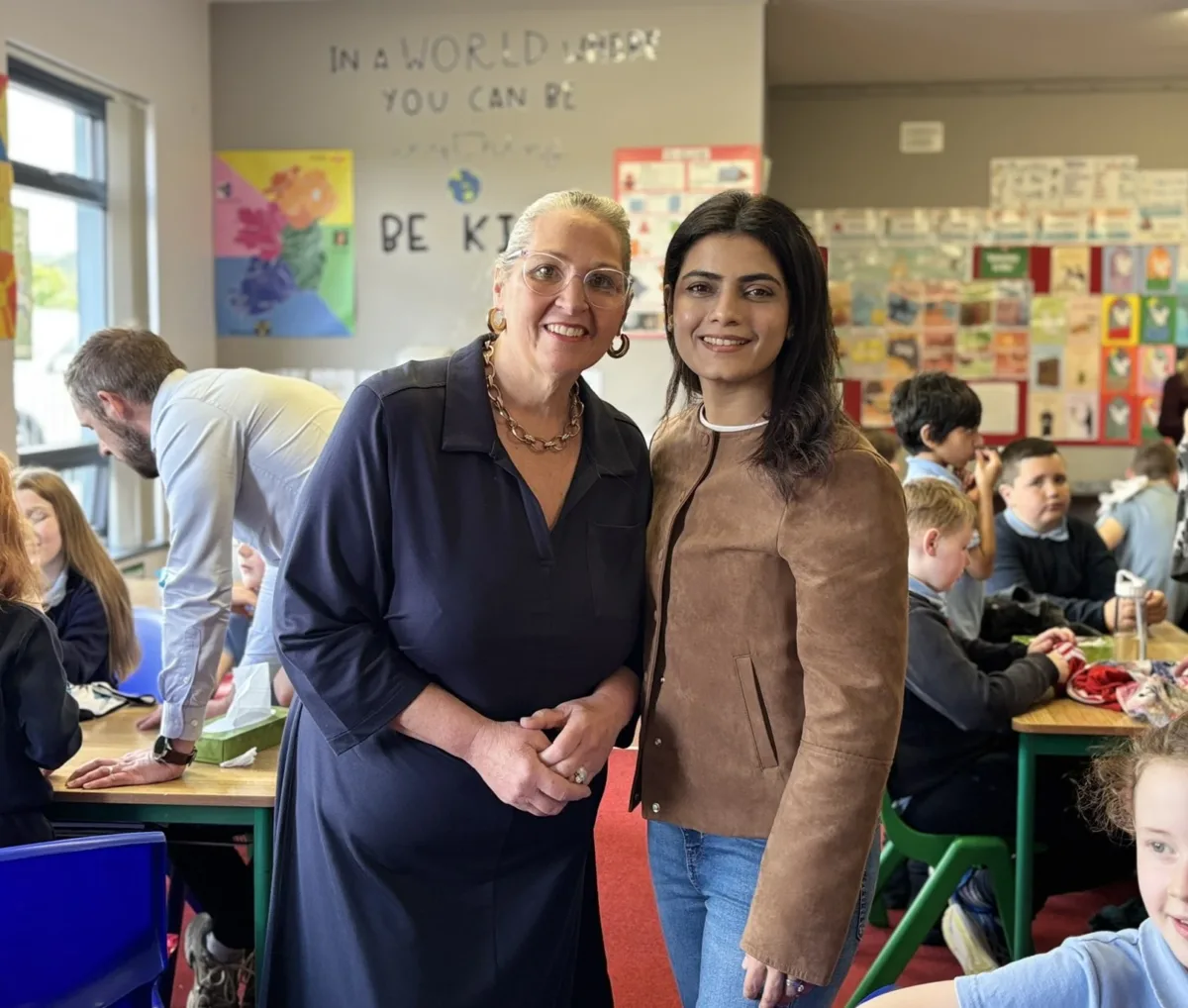
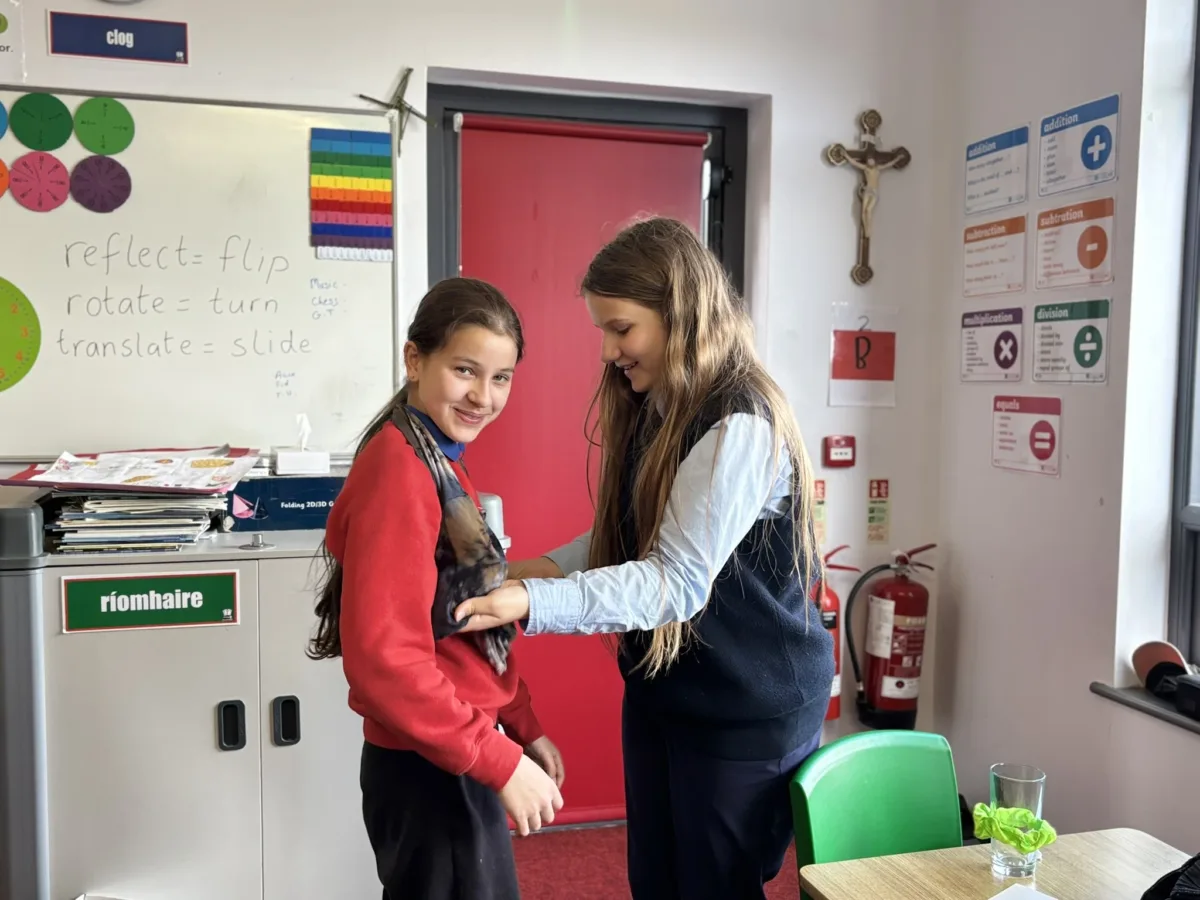
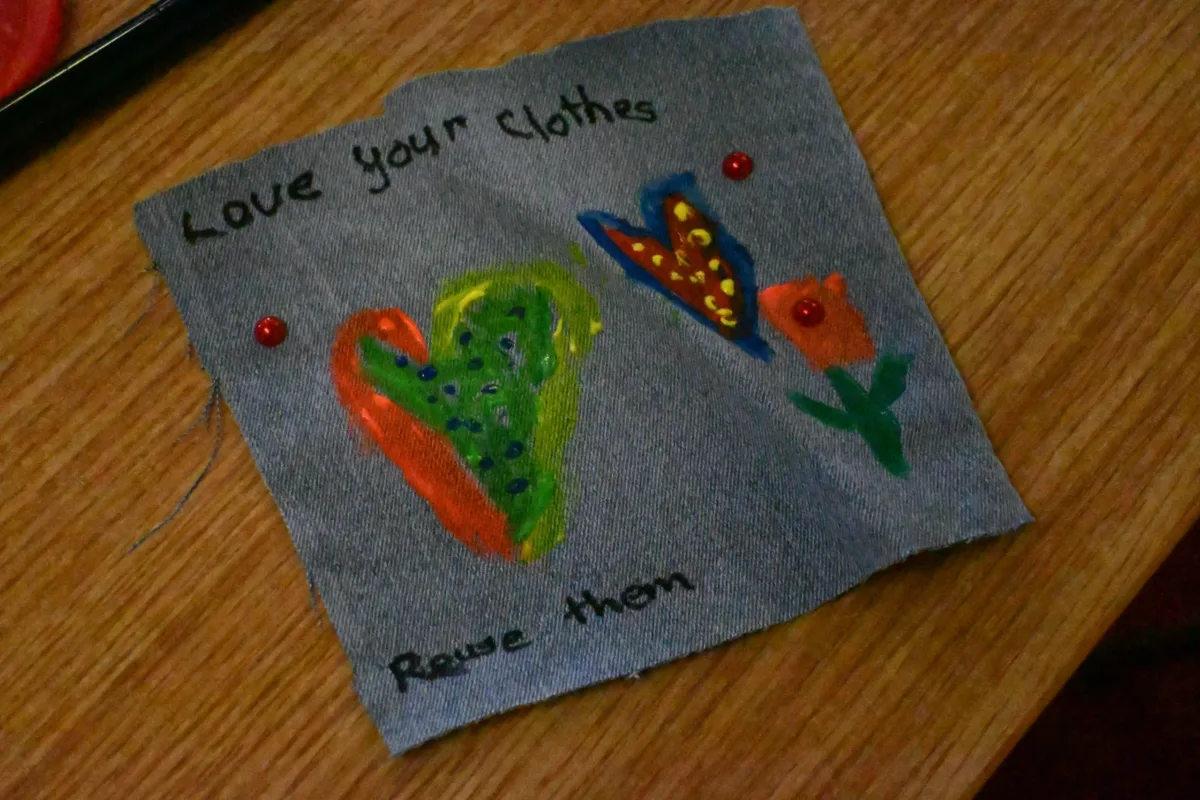
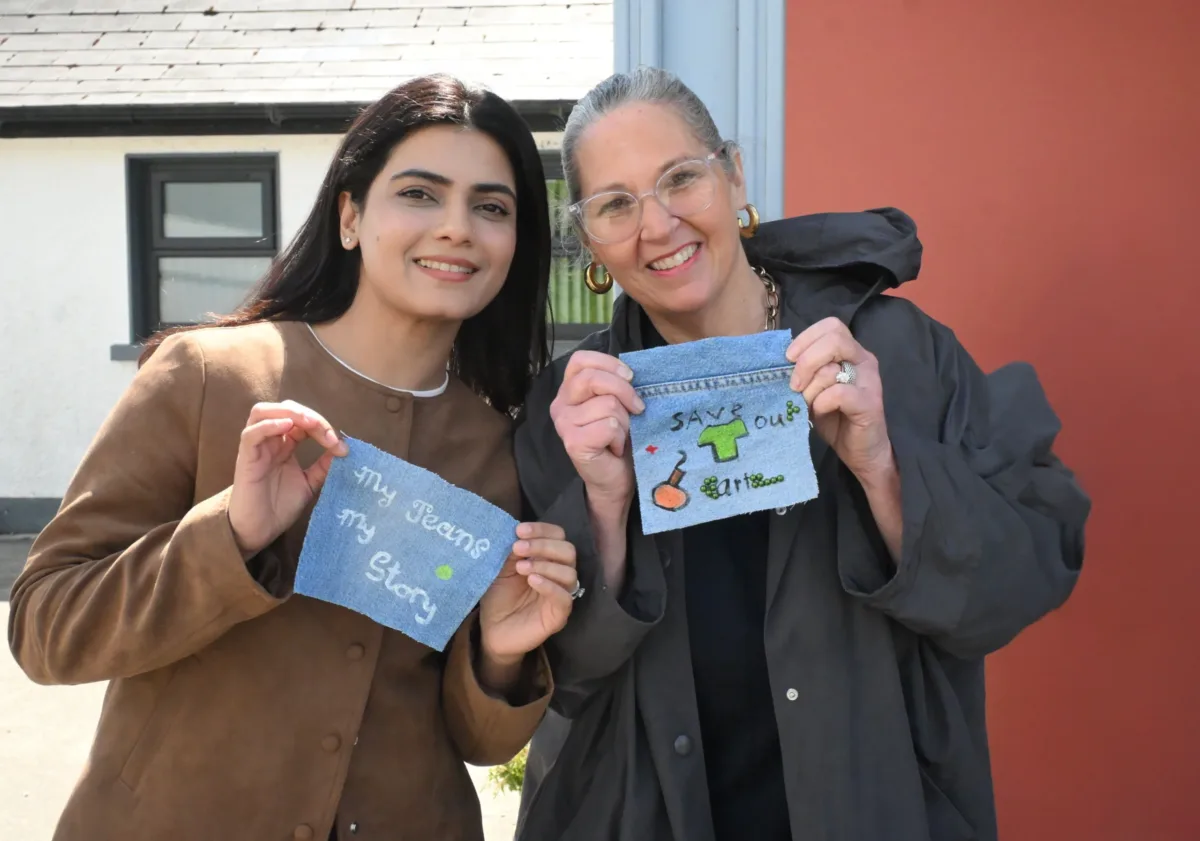
In collaboration with Erasmus+ “Fashion Reimagined” project and Centre for Sustainable Solutions – Ireland, Madiha hosted a sustainable project workshop for children at St. Joseph’s National School.
What stood out for Madiha was how the term ‘sustainable fashion’ was completely a new idea for many of the children:
“That was exactly the point. Watching them go from never having heard the term to asking sharp questions about where their clothes come from— in the space of one session — was the best possible reminder of why early education matters”.
Listen to the full conversation with Madiha and Sheila as they explore fashion overcompensation, influencer impact, and circular fashion here.
This research is funded under RISE@ATU with supervision by Dr Vicky O’Rourke, Dr Sarah Diffley, Dr Gabriella Gliga, and Prof Peter Kawaleck. RISE@ATU is co-funded by the Government of Ireland and the European Union through the ERDF Northern and Western Regional Programme 2021-27.
About Madiha Rubeel
Madiha Rubeel is a PhD researcher at Atlantic Technological University as part of the IDEAS Postgraduate Research Training Programme. She is exploring how social media influencers shape how people think, feel, and act towards sustainability through their content and communication strategies. The study aims to provide practical insights for businesses, influencers, and sustainability-focused brands, as well as the education and policy sectors, to support more effective and socially responsible communication. The goal is to better understand how influencers can encourage more sustainable shopping habits among young audiences.
For media enquiries, contact:
Jorden McMenamin
Communications Officer
Tel: 074 918 6127
E: jorden.mcmenamin@atu.ie