

Courses
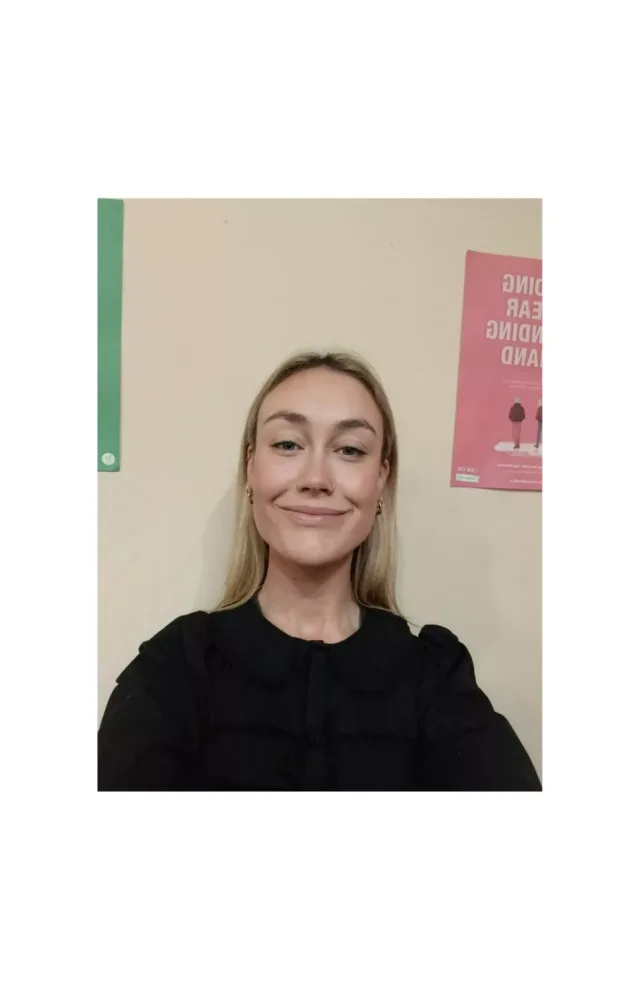
Can you tell us your name, job title, and the course you are studying at ATU?
My name is Martha Mc Govern and I am a Candidate Clinical Nurse Specialist working in a Child and Adolescent Mental Health Service crisis hub with St John of God Mental Health Services in Dublin. I have just completed the Postgraduate Diploma in Cognitive Behavioural Psychotherapy at ATU St Angela’s Campus
Can you share your career path to date?
I commenced my undergraduate degree, a Bachelor of Science Honours in Mental Health Nursing, at ATU Letterkenny Campus in 2016 and graduated in 2020. Following qualification, I began working as a Registered Mental Health Nurse.
My first role was in an approved centre specialising in the treatment of eating disorders, Lois Bridges, in Dublin, where I worked until 2021. I then moved to an adolescent psychiatric inpatient unit within St Patrick’s Mental Health Services in Dublin, where I worked until 2023.
In 2023, I relocated to Australia and worked across a range of mental health settings. This included six months in the Royal Children’s Hospital in Melbourne within an adolescent psychiatric inpatient unit, followed by work as a crisis mental health clinician in community crisis assessment and treatment teams across Victoria, New South Wales, and Tasmania.
I returned to Ireland in 2024 and commenced my current role as a Candidate Clinical Nurse Specialist in a CAMHS crisis hub with St John of God Mental Health Services. As part of this role, completion of a relevant postgraduate qualification was required in order to progress to Clinical Nurse Specialist level. After researching several options, I chose the Cognitive Behavioural Psychotherapy programme at ATU as it best aligned with both my clinical interests and career goals.
What does your current role involve?
My current role involves providing rapid assessment and short-term therapeutic intervention to children and adolescents presenting in acute mental health crisis. This includes risk assessment, crisis formulation, safety planning, brief psychological interventions, and close collaboration with families and multidisciplinary team members. I also liaise with community CAMHS teams, inpatient units, and external agencies to support continuity of care and appropriate onward referral.
What motivated you to start studying?
I was motivated to start studying to further develop my clinical skills and confidence in delivering evidence based psychological interventions. Working in crisis settings highlighted the importance of having a strong therapeutic framework to support young people and their families during periods of acute distress. I was also motivated by my goal of progressing to a Clinical Nurse Specialist role and ensuring my practice met a high professional and academic standard.
Why did you choose this course at ATU?
I chose the CBT course at ATU due to its practical focus, and emphasis on applying theory directly to clinical practice. A significant factor in my decision was that the course is designed to align with BABCP accreditation guidelines, which gave me confidence in the quality and professional recognition of the training. This alignment meant that the process of progressing towards BABCP accreditation as a therapist would be far more straightforward, which was a major advantage. At the time, no other CBT course in the Republic of Ireland offered this level of alignment with BABCP requirements.
How do you find the process of studying in a flexible manner? What elements did you find helpful? Were there elements you found challenging?
I found the process of studying in a flexible manner largely very positive. While the course is described as flexible, it did not feel overly flexible in practice due to the high level of commitment required, particularly in relation to mandatory attendance at lectures and supervision days. Alongside this, the course was quite intensive, especially in terms of the required direct clinical hours with clients, which needed careful planning and organisation alongside full time work.
In relation to assignments, the level of support provided by the lecturers (especially Dr. Michelle Murphy) at ATU was exceptional. They provided clear and comprehensive guidance around expectations and structure, which helped direct me toward what was required for each submission. This support greatly eased any anxiety I had around academic work and made the assessment process feel manageable, well supported, and structured rather than overwhelming.
How do you balance work and study?
Balancing work and study required a high level of organisation and realistic planning. I prioritised setting aside protected time on the weekend for study and tried to engage with course material consistently rather than leaving tasks to the last minute.
I made a conscious decisions to prioritise the course during this period, which meant temporarily reducing time spent on social activities and hobbies. Having a strong interest in CBT and seeing its direct relevance to my clinical role helped maintain motivation. Support from my supervisor and understanding from my employer also played an important role in making it possible to balance the demands of full-time work with the academic and clinical commitments of the course.
In terms of your employer, were they supportive of your decision to study? Are there elements of the course that are particularly relevant to your current employer?
My assistant director of nursing (ADON) was very supportive of my decision to study particularly because it was part of my job requirement when I accepted the role. She also acknowledged how many elements of the course are directly relevant, including risk formulation, cognitive and behavioural interventions, psychoeducation, and structured therapeutic planning. These skills enhance the quality of care provided to young people and families and support evidence-based practice within the service.
What advice would you have for anyone considering studying a flexible learning programme?
I would advise anyone considering a flexible learning programme to be realistic about the level of commitment required and to plan accordingly. This CBT postgraduate programme involves significant attendance, clinical, and academic demands. Choosing a course that aligns closely with your clinical role and long-term career goals makes the workload feel more meaningful. It is also important to make use of the supports available, stay connected with peers and lecturers, and accept that there may be periods where social time and hobbies need to take a temporary step back. Approaching the process with organisation and self-compassion, and leaning on your available supports, can make a significant difference.
In what way has studying with ATU benefitted your career to date?
Studying with ATU has strengthened my clinical skills, confidence, and professional identity. It has enhanced my ability to assess, formulate, and intervene therapeutically with young people in crisis. It has also supported my progression towards a Clinical Nurse Specialist role and broadened my future career opportunities within mental health services.
Has this course provided any unexpected benefits to your career?
An unexpected benefit has been the positive impact on my overall communication and reflective practice. The course encouraged me to think more critically about my clinical work and to approach challenges with greater structure and clarity. It has also increased my confidence in multidisciplinary discussions and clinical decision making.
Do you find that the elements you are studying have practical relevance in your day-to-day role?
Yes, the elements of the course have strong practical relevance in my day to day role. CBT principles inform how I assess difficulties, engage young people and families, and support them to develop coping strategies during crisis. The skills learned are directly transferable to clinical practice and have had a meaningful impact on the care I provide.