Courses
‘Research only works if you meet stakeholders where they are’, shares industry leaders, academics, and Sligo County Council
ATU researchers brought together academics, industry representatives, and local authorities to explore practical strategies for connecting science with society.
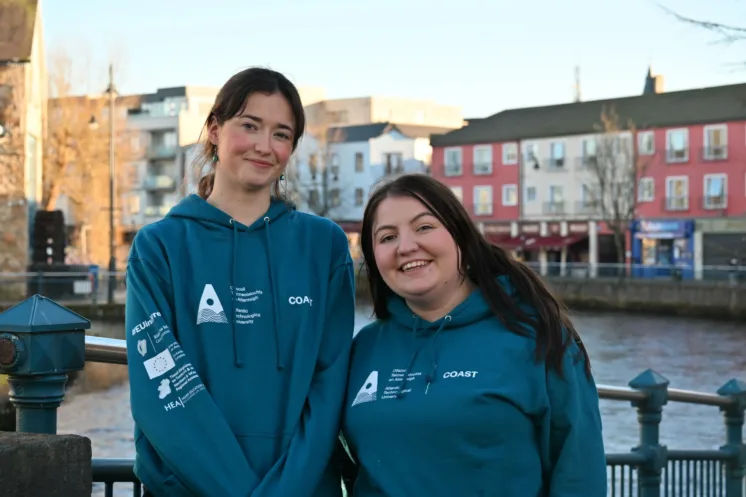
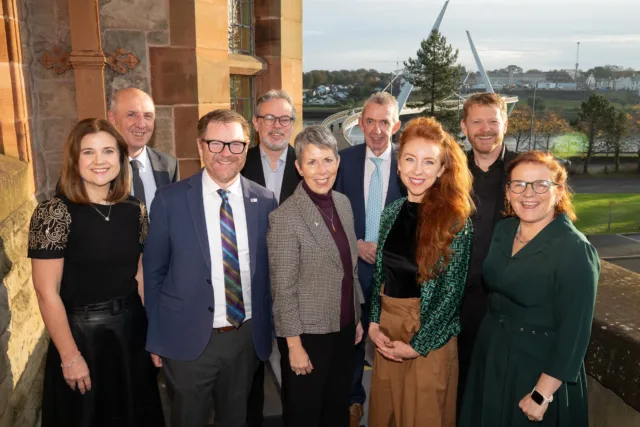
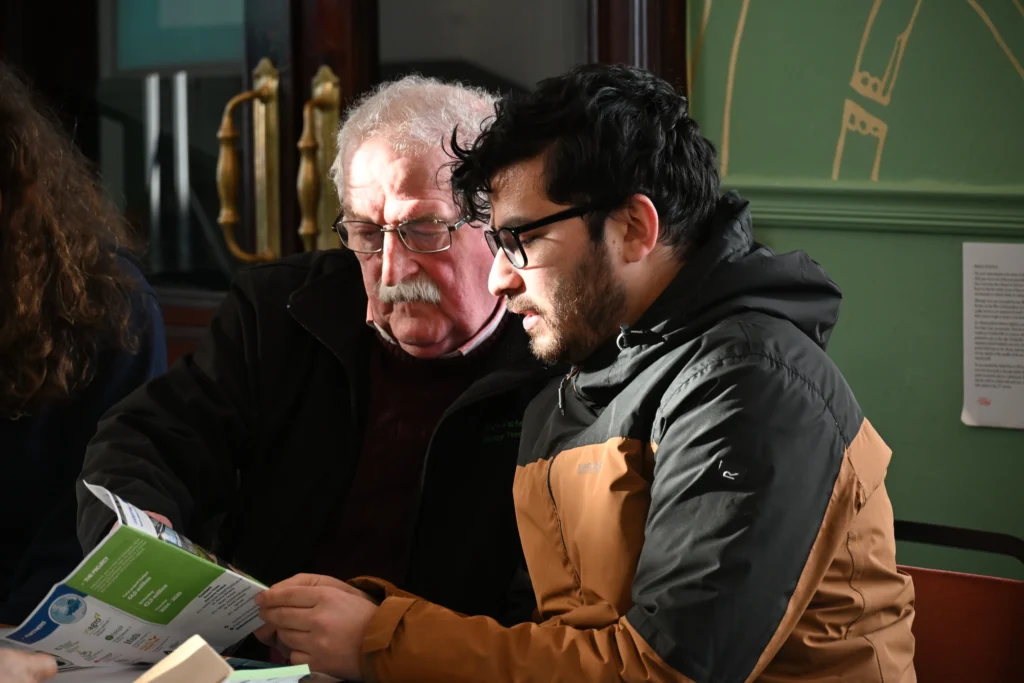
Early-career researchers, Beth Brown and Morena Gaudino, hosted a Stakeholder Engagement Workshop in Yeats Building, Co Sligo, to share practical insights and engage with Ireland’s coastal, water, and maritime sectors.
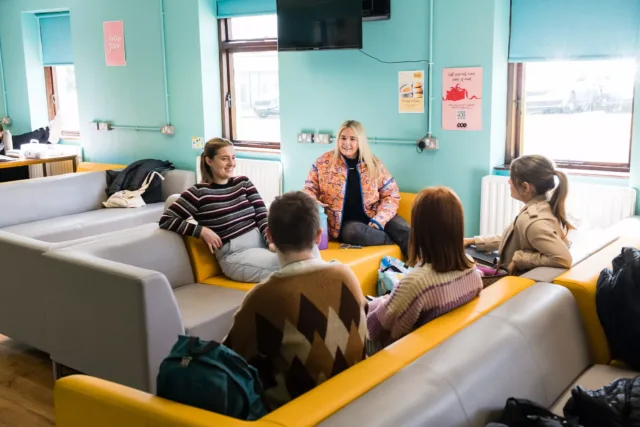
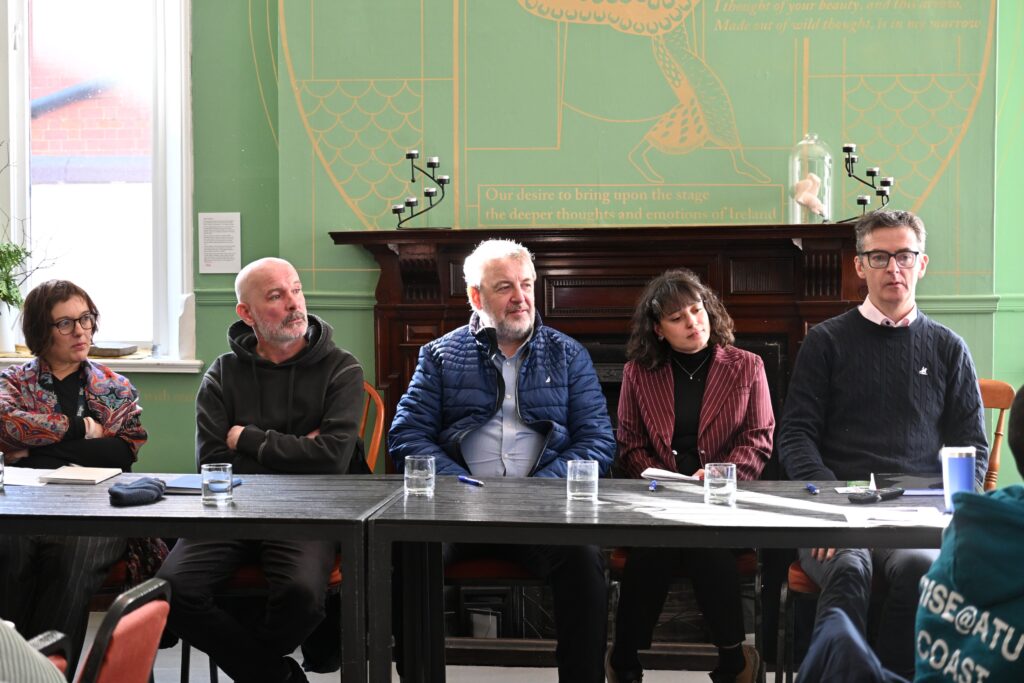
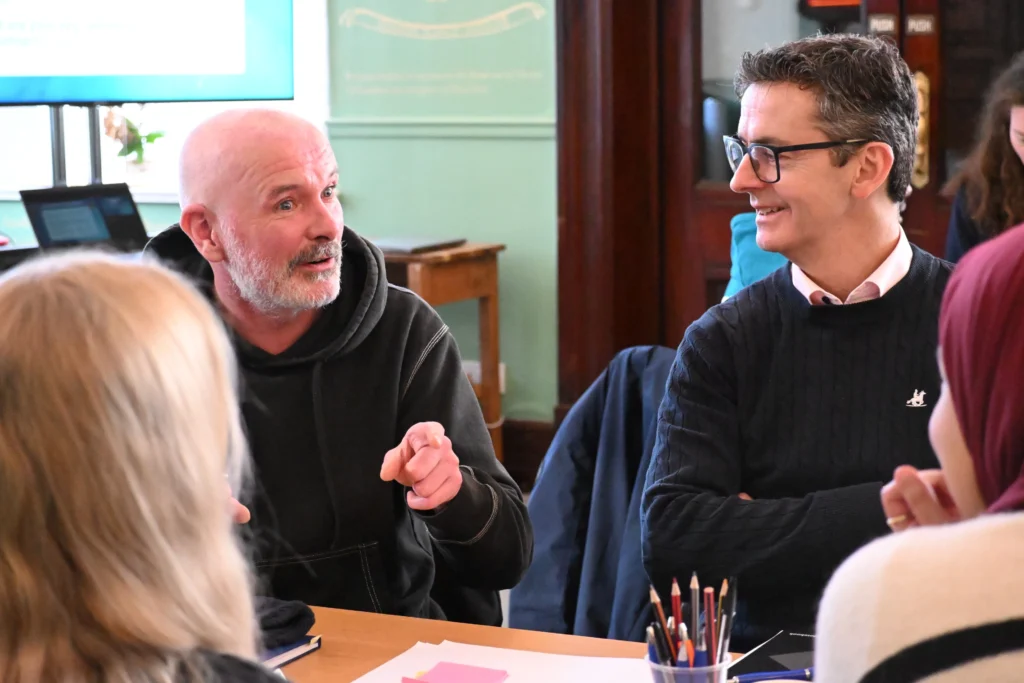
The event brought together leading academics, industry professionals, and representatives from Sligo County Council to discuss effective stakeholder engagement and collaborative research practices.
“Identify who cares — and who really cares.”
In her keynote, Dr Sinead Duane (University of Galway), emphasised that engagement begins with meeting people where they are:
Meet stakeholders where they are. They may share a common goal but have different needs.
She illustrated this with a public health campaign for night-time truck drivers, where health checks were delivered at petrol stations. Her campaign messaging focused on giving participants more time with family and hobbies rather than weight loss.
She encouraged researchers to identify not just who cares about their work, but “who really cares,” and to meet stakeholders in spaces where they already operate.
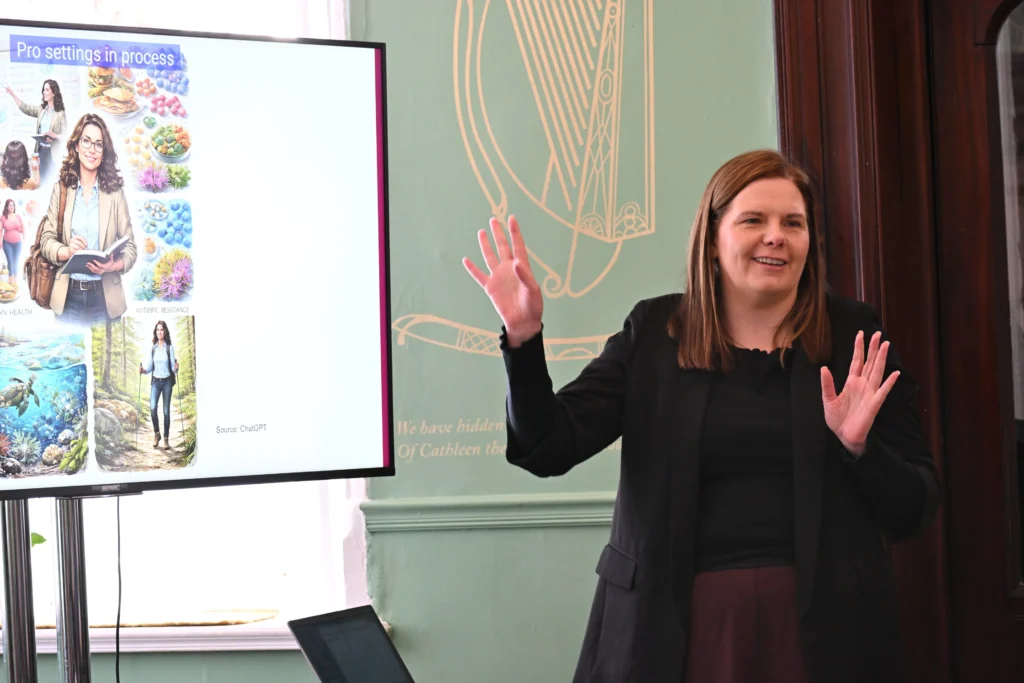
”If your research relates to water, go to the beach. Meet swimmers and surfers. Don’t rely solely on email or social media.”
Industry pain points
Micheal Gallagher (Irish Blue Economy and Innovation Model), similarly advocated for identifying stakeholder’s pain points. “Understand your target audience,” he advised.
From an industry perspective he urged researchers to comprehend the constraints faced by SMEs:
Industry players are often resource-poor… follow up after your research project ends.
Sligo County Council representative, Leonora McConville, shared lessons from community engagement projects during COVID:
“During a street enhancement project. We noticed very few people submitted feedback online. The problem wasn’t a lack of interest; it was a lack of follow-up. Communities weren’t seeing how their ideas were used”.
That experience led to the creation of an outcomes tab on their website portal so people can identify how their input shaped their projects.
Chantel Carr (National Biodiversity Data Centre) also underscored the importance of transparency. “Be clear about what you can’t do as well,” she said, noting that many engagement efforts rely on voluntary contributions.
‘We should be casting a wider net’
Owen Leonard (Ozone Water Treatment) suggested that researchers should cast a wider net beyond their immediate networks and tailor their messaging.
One clear, focused webpage can generate more project traction than hundreds of emails ever will.
He also used an example of rainwater reuse at a major airport, where treated water could be used for toilets and handwashing. By linking with airport representatives, they were able to save thousands of euros by not purchasing litres of water to accomplish this conservation effort.
Brendan Gordon (Bio-Friendly Ltd) emphasised the value of presence and simplicity:
“Engagement works when you understand the product and the people”
He advised researchers to attend industry exhibitions and engage across regions to better understand sector realities.
Finally, Pete Murtagh (Sligo County Council) reflected on good practice for engaging stakeholders by curating specific questions to ensure input is meaningful.
‘Building a collaboration over a connection‘
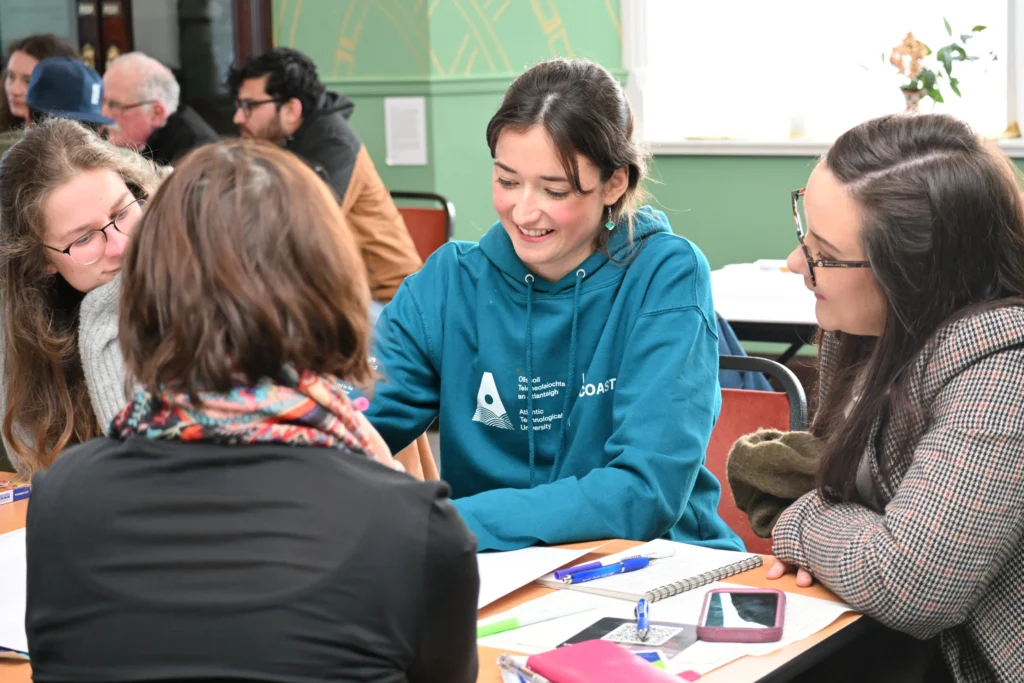
Co-organisers, Beth Brown and Morena Gaudino, both highlighted the importance of depth over superficial connections.
“One participant wrote that stakeholder engagement isn’t something you simply learn — it’s a skill you develop”, said Beth. “A clear theme throughout the workshop was the importance of context, recognising that each stakeholder has distinct needs and priorities.”
“Transparency is critical in any collaboration”, added Morena. “Being clear about what you can and cannot deliver builds the trust necessary for strong long-term engagement.”
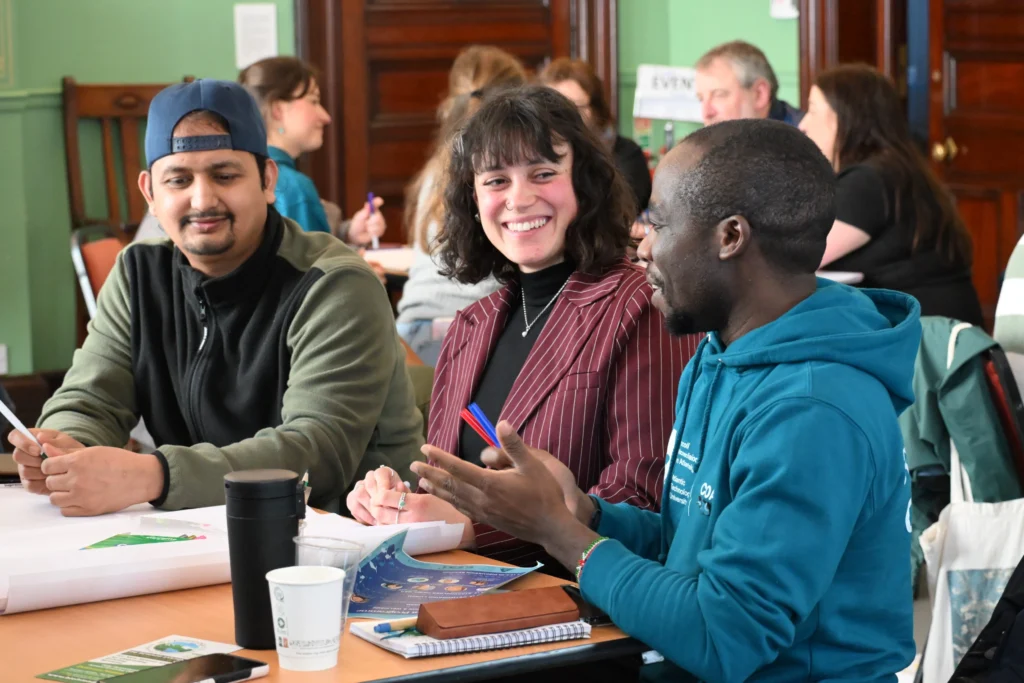
By connecting leading academics, industry reps, and council members, the workshop demonstrated how early-career researchers can build bridges between science and society.
The workshop was supported by the Environmental Science Association of Ireland (ESAI) and the Environmental Protection Agency (EPA) Grassroots Workshop Programme.
Featured Image: (L-R) PhD researchers Beth Brown and Morena Gaudino brought together academics, industry representatives, and Sligo County Council to explore practical strategies for connecting science with society.
Jorden McMenamin
Communications Officer
Tel: 074 918 6127
E: jorden.mcmenamin@atu.ie