Courses
Forgotten children of Ireland: Lost burial grounds rediscovered through folklore
A new study by Dr Marion Dowd, lecturer in archaeology at Atlantic Technological University (ATU), sheds light on Ireland’s cillíní - unconsecrated burial grounds used for babies that were stillborn, miscarried or who died at birth without been baptised.
Published in the Journal of Irish Archaeology (Volume XXXIV, 2025), the research combines folklore and archaeology in a novel way, revealing long-forgotten sites and the emotional and cultural practices associated with them.
Dr Dowd examined over 350 folklore accounts from the National Folklore Collection Schools archive and cross-referenced them with archaeological records. This approach identified 11 previously unrecorded cillíní and 16 lost burial grounds across multiple counties, including Kerry, Mayo, Donegal, Galway, Clare, Cork, Louth, Sligo, Waterford, Longford, Meath, Monaghan, Tipperary, and Wexford. Sites include Lisheen na bPáistí in Co. Sligo, Inis na Leanbh in Kilquane, Co. Kerry, burial grounds near holy wells in Co. Waterford, crossroads sites in Co. Clare, and forgotten cillíní within ringforts in Co. Meath. Many of these locations had never appeared in official archaeological surveys.
The research also uncovers the deep grief, shame, and trauma experienced by parents burying children in unconsecrated ground, offering what Dr Marion Dowd calls an “archaeology of emotion.” Folklore reveals supernatural beliefs surrounding these sites, including supernatural lights, and traditions such as the “stray sod” and “hungry sod,” thought to punish those who disturbed graves. Unique practices such as two gender-specific burial grounds (one for baby boys only, and one for baby girls), and folk cures for sick children, are detailed for the first time in an archaeological context.
“This research reconnects Ireland’s rich folklore with its physical archaeological heritage, ensuring that the places in our landscape associated with the unbaptised, are not lost to time,” says the archaeologist.
Many cillíní remain vulnerable to destruction from development, farming, and neglect. With folklore now recognised under Ireland’s heritage legislation through the UNESCO Intangible Cultural Heritage Convention (2015), this research highlights the importance of integrating oral traditions into heritage protection. Local communities are encouraged to help identify and preserve these sites.
This story is part of Bright Minds, Big Impact, a series highlighting ATU’s research excellence and the people driving meaningful change.
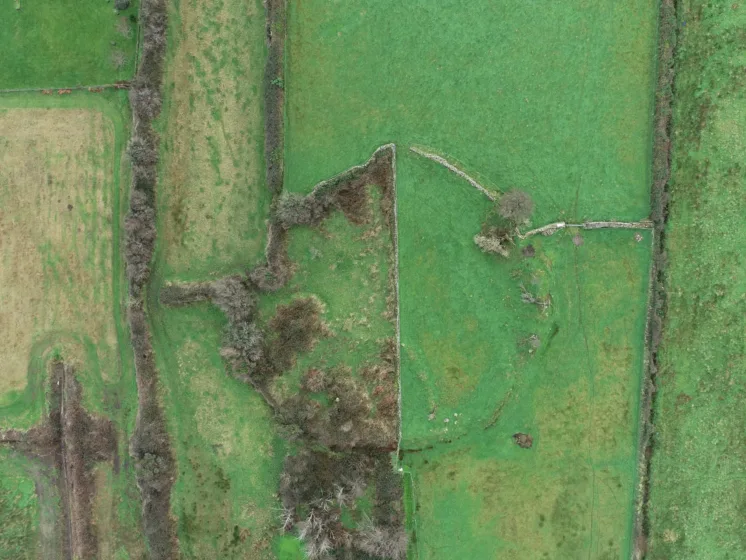
Photo caption: Early Medieval enclosure at Ballinphull, Sligo, repurposed in recent centuries as a cillín. Photo credit, Dr James Bonsall.
Ivana Hanjs
Communications Officer
Atlantic Technological University
Mob: 089 963 9559
Email: ivana.hanjs@atu.ie